I see people trying to promote their offers on social media without paying, and I often wonder, why even do that? You could just as easily call up your friends and ask them for money. The real idea behind promoting your digital product on social media isn’t about reaching the people you already know. It’s about giving yourself access to people you don’t know yet, inviting them to get to know you, align with you, join your tribe, and, if they resonate, support your mission with their dollars.

These days, social media platforms are more than scrolling feeds. They are the most powerful advertising tools in the world, offering precision targeting at a level small businesses never had access to before. With only a little knowledge and a modest investment, you can put your offer directly in front of the people you’ve already identified as your ideal audience.
The opportunity is spectacular. And here’s the truth: if most people see your ad on social media and it’s not marked as “sponsored” or a paid advertisement, they don’t take you seriously. Unless it’s your mom or your best friend, who already loves you, an unpaid post won’t usually move the needle.
Think about it like this: what if some guy with no business card, no truck, no company logo, just shows up at your door and says he wants to landscape your yard? Does that feel trustworthy? Not really. But if you see a paid advertisement for a landscaping business, you feel more confident—because someone who invests in their visibility shows they are vested in their own credibility. Same thing on social media.
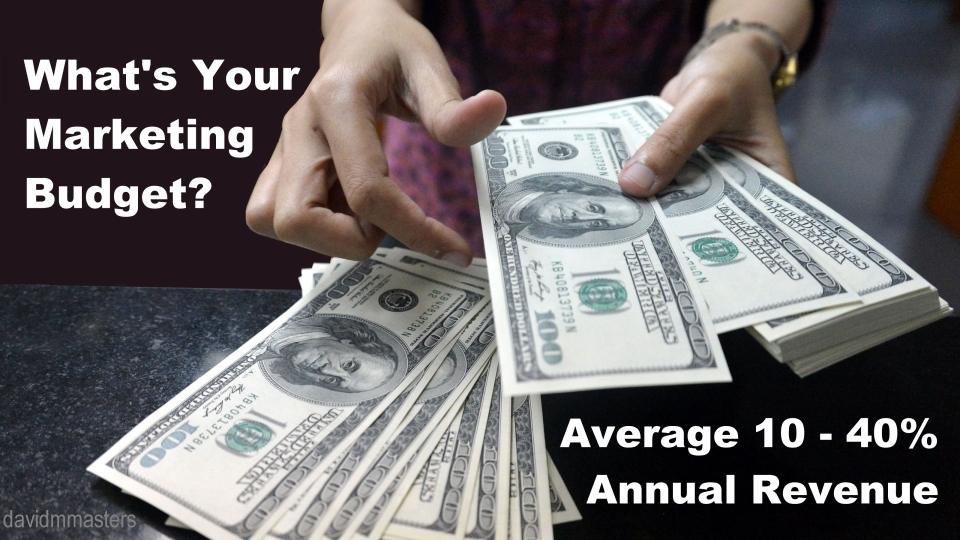
Spend a few dollars. Invest in yourself. That small investment signals to your tribe that you are serious about your mission.
Tips for Effective Social Media Advertising
Here are some techniques you can apply to create trust, build connection, and maximize your reach with paid ads:
-
- Know Your Audience. Use the targeting tools available. Narrow down by age, location, interests, even behaviors. The clearer your customer avatar, the more precise your ad delivery will be.
- Lead with Value. Don’t just sell. Offer something useful, an insight, a free guide, a mini-training. This builds trust and gives people a reason to take the first step with you.
- Tell Your Story. People don’t buy products; they buy alignment. Use ads to share your mission and why you do what you do. Storytelling creates emotional connection.
- Test Small, Scale Big. Start with a small budget, test multiple versions of your ad, and when you find what works, scale up. This prevents wasting money and maximizes ROI.
- Use Video Ads. Short, authentic videos outperform text and static images. Your audience wants to see you, your energy, your passion.
Beware the Scams
But let me also wave a caution flag here. The online world is filled with unscrupulous marketers promising the moon: instant traffic, guaranteed sales, or thousands of followers overnight. Don’t fall for it.
Here’s what can happen when you chase too-good-to-be-true offers:
-
- Fake Engagement: Some marketers will sell you bots or fake likes. They look impressive at first, but they don’t buy anything. They also damage your credibility.
- Ad Fraud: Scammers can use shady techniques that drive clicks from fake accounts. You pay for the clicks, but no real human sees your offer.
- Permanent Bans: Worst of all, if you’re caught using illegitimate methods, your account or project could be banned forever. Imagine relying on your digital product to feed your kids and suddenly losing everything. Not good.
Stay ethical. Build your business on solid ground. The truth is, when you use social media advertising properly, you don’t need shortcuts.
Your digital product represents your calling, your mission, and your value to the world. Social media advertising is one of the most effective and affordable ways to put it into the hands of the people who need it most. But only if you take it seriously.
Invest in yourself. Use the tools wisely. Share your story authentically. Avoid scams and stay ethical. Do this, and you won’t just sell a digital product, you’ll build a tribe that supports you for the long haul.

Platform-Specific Social Media Advertising Guide
When it comes to promoting your digital product, not all platforms are created equal. Each one has its strengths, weaknesses, and its own culture. The good news is, you don’t need to be everywhere. Pick the platform that best aligns with your product, your message, and the audience you’ve defined as your tribe.
Here’s a breakdown:
-
- Advantages: Still the largest social media platform. Powerful ad targeting tools. Great for community building, longer posts, and sharing your story.
- Disadvantages: Organic (free) reach is almost non-existent for business pages. Ads can feel crowded with competition.
- Targeting: Extremely granular, demographics, interests, behaviors, life events, look-alike audiences. You can get laser-focused on your exact people.
- Affordability: Very affordable to start. You can test ads for just $5–$10 per day. Costs rise if your niche is highly competitive.
-
- Advantages: Visual storytelling powerhouse. Perfect for younger demographics, lifestyle brands, and digital products that can be shown in action. Great use of reels and stories.
- Disadvantages: Not ideal if your content isn’t visually engaging. Audiences may scroll fast—harder to hold attention.
- Targeting: Shares Facebook’s targeting system (Meta owns both), so you get the same precision.
- Affordability: Similar to Facebook—low barrier to entry, but the most engaging ads (video reels, story ads) usually cost a bit more to optimize.
TikTok
-
- Advantages: Explosive reach potential. Short-form videos go viral easily. Younger audience (Gen Z, early Millennials). Great if your product is fun, bold, or entertaining.
- Disadvantages: Content must be creative and authentic; hard-sell ads flop. Audience skews young, if your product isn’t relevant, skip it.
- Targeting: Age, location, interests, device type. Not as detailed as Facebook, but strong for broad demographics.
- Affordability: Ads are relatively cheap right now compared to older platforms, because it’s still growing. Big upside for experimentation.
-
- Advantages: Best platform for B2B (business-to-business) products, coaching, or professional development offers. Credibility is higher when people see sponsored ads here.
- Disadvantages: More expensive than other platforms. Not great for casual or consumer-focused products.
- Targeting: Very precise, job title, industry, company size, seniority level. Perfect for professional niches.
- Affordability: Higher cost per click (CPC often $5–$10+), but if your product is high-ticket or professional, the ROI can be worth it.
YouTube
-
- Advantages: Video ads show up before or during other videos. Great for education-based offers or products with a strong story. YouTube has high trust and long watch times.
- Disadvantages: Requires strong video content. Production quality matters. May feel intimidating for beginners.
- Targeting: Interests, demographics, search keywords, video topics, even placements on specific channels. Highly customizable.
- Affordability: Costs vary widely. Skippable in-stream ads can be affordable ($0.10–$0.30 per view), but high-competition niches cost more.
Choosing a Platform
-
- If your product is consumer-friendly and you want broad reach, start with Facebook + Instagram.
- If your product appeals to young trendsetters, experiment with TikTok.
- If your offer is professional or B2B, LinkedIn is where you want to be.
- If you’re ready to teach, inspire, and tell longer stories, YouTube ads can be game-changers.
Remember: social media advertising isn’t about shouting into the void. It’s about showing up where your people already are, investing a few dollars to earn their trust, and inviting them into your world.