How to Set and Achieve Goals On Your Own: Coaching Yourself.

As a life coach, I’ve had the privilege of helping people transform their lives by setting and achieving goals. The process of goal setting is not just about ticking boxes or crossing items off a list—it’s about creating a clear path towards the life you truly desire. Goals act as a compass, guiding you through life’s challenges and opportunities, and they help you focus your energy and resources on what truly matters.

Why Goal Setting Matters

Goal setting is the cornerstone of personal and professional development. It gives you direction, boosts your motivation, and enhances your ability to measure progress. Without clear goals, you may find yourself wandering aimlessly, feeling overwhelmed by the sheer number of possibilities and choices.

When you set goals, you consciously decide to take control of your future. You say, “This is where I want to go, and I am committed to getting there.” Goals help you prioritize your time and efforts, ensuring that you move towards something meaningful rather than just reacting to whatever life throws your way.

Methods for Setting and Attaining Goals

While having a life coach can be incredibly beneficial, there are numerous methods you can use on your own to set and achieve your goals. Here are some effective strategies:

Set SMART Goals

    1. Specific: Clearly define what you want to achieve. Instead of saying, “I want to get fit,” say, “I want to run a 5K race in three months.”
    2. Measurable: Establish criteria for measuring progress. For example, you could track your running distance each week.
    3. Achievable: Ensure your goal is realistic, given your current situation. If you’ve never run before, a 5K is a more attainable goal than a marathon.
    4. Relevant: Choose goals that align with your broader life objectives. Ask yourself why this goal is essential to you.
    5. Time-bound: Set a deadline for your goal to create a sense of urgency.
Break Goals into Smaller Steps

Large goals can be intimidating, so break them down into smaller, manageable tasks. For example, if your goal is to write a book, start by setting a goal to write a chapter each month.

Visualize Success

Visualization is a powerful tool that can enhance motivation and confidence. Spend a few minutes each day imagining yourself achieving your goal and experiencing the emotions that come with success.

Create an Action Plan

Outline the specific steps you need to take to achieve your goal. This plan should include daily, weekly, and monthly actions to keep you on track.

Monitor Your Progress

Review your progress regularly to ensure you are on track. Celebrate small victories along the way to stay motivated.

Stay Flexible

Life is unpredictable; sometimes, you may need to adjust your goals or plans. Be open to change and willing to reassess your goals if necessary.

Hold Yourself Accountable

Share your goals with a friend or family member who can support and encourage you. You can also use journals or apps to track your progress and hold yourself accountable.

Learn from Setbacks

Every setback is an opportunity to learn and grow. Instead of getting discouraged, analyze what went wrong and adjust your approach accordingly.

Stay Inspired

Surround yourself with people, books, and environments that inspire and motivate you. Inspiration can fuel your passion and keep you committed to your goals.

Reflect and Adjust

Periodically reflect on your goals and achievements. Ask yourself if they still align with your values and aspirations. Adjust them if necessary to ensure they remain relevant and meaningful.

Goal setting is a transformative process that empowers you to take charge of your life. You can create your desired life by setting clear, achievable goals and taking consistent action. Remember, the journey towards achieving your goals is as important as reaching the destination. Embrace the process, learn from your experiences, and celebrate every step forward. You have the power to shape your future—start today and watch your dreams come to life.
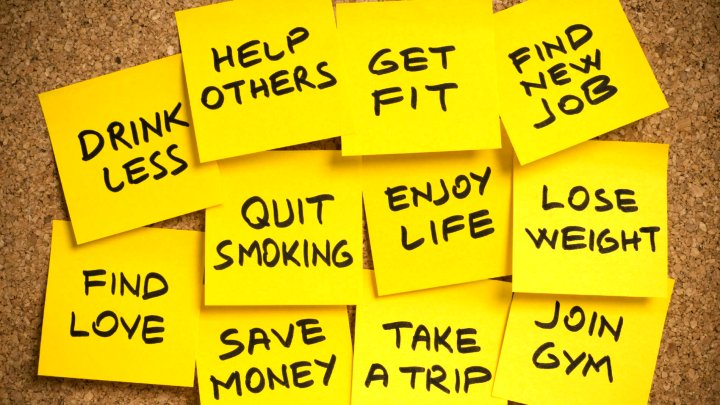
New Years Resolution

New Years’ resolutions, they’re coming up. It’s that time of year where you look back, review the progress you’ve made the last year, possibly recall your intentions at the beginning of the year, and compare where you are today to where you were only a year ago. How will this affect this year’s resolutions?

If you’re like most people, you started last year with the best intentions and at best within three months you’d slipped back into your comfort zone, forgetting about all those well-laid plans of having new and improved tomorrow.

Are you participating in a little self-sabotage by setting your goals too unrealistically? Sometimes, if you set your New Years goals too high, you’re bound to miss the mark.

If you take a look at the other folks who knocked their resolutions out of the park, last year, you probably noticed they took a little different approach.

You could take a more practical approach to achieving a goal by chunking it into bite-sized pieces. For instance, instead of resolving to

Lose 50 Pounds

I have a client who desired to do so, but accomplished it by avoiding such a lofty statement, and instead resolved to lose one pound a week. Almost a year later, she’s down almost 60 pounds.

The 50-pound resolution just seemed too overwhelming at it could lend itself to feelings of discouragement very early on, and this leads to the high failure rate of New Year’s resolutions. After a while (within the first three or four months) it just seems highly unlikely that you will be able to get there, so it’s easier just to fall back into the same ol’ same ol’.

It’s easy to spout off an incongruent claim or hope to have a better year, in the throes of a New Years Eve celebration, but to really have a vested interest in seeing your resolution take root and come to fruition throughout the coming year, that is a horse of a different color.

It’s going to take more than just empty words. It will require a plan, and a bit of stick-to-itiveness to get ‘er done. You will have to consider what obstacles that might get in your way. How will you stay motivated to keep going, even if you don’t feel like it, or when no one’s looking?

Will you have to make changes in your lifestyle to accommodate your new resolution? Is there the likelihood that you can make your resolution come through on your own, or will you need some assistance?

Sharing your resolution with others can help up the ante on your intention(s) at hand.
Teaming up with someone who has a similar goal can be good if he or she is as motivated as you are to see this through. Then, you can lean on each other in times of weakness and help to see each other through the tough times. But if your teammate bails, you better have a backup plan.

Family and friends can be very supportive (then, on the other hand, sometimes not so much. It depends on the family and friends). You might consider enlisting the aid of a coach or accountability partner to help keep you on track along the way.

Are you going to militantly force yourself to do whatever it takes, or make gradual progress over time to slowly get from where you are now to where you want to be?
It appears the most successful resolvers set up a series of small goals in a progression over particular time intervals, anywhere from “per day” to “per month.”

What if you miss the mark or fall off your horse?

No problem, dust yourself off and get back on as soon as possible. Don’t let a misstep or stumbling block prevent you from getting what you want, even if it means starting from scratch all over again. You can do this.

Here are some of the New Years resolutions that are probably crossing your mind, and you have the ability to achieve them, if you put your mind to it. Such as,

I’m going to lose X pounds

I am going to commit to performing a random act of kindness every (day/week/month).

I’m going to trade some of my extraneous activity time (video game play, Internet surfing, social media, or any other time-suck) for healthy physical activity (X amount of time per day/week/month).

I’m going to spend X amount of quality time with my family, loved one, mate/spouse.

I’m going to take up (insert name of new hobby or interest).

I am going to take a class in (whatever you want to learn).

I am going to do something (be as specific as possible) to make the world a better place.

I am going to volunteer (don’t let this be non-specific. Give it some thought and think about when and where you might like to lend your services).

I am going to save $xx.xx per (day/week/month) to put toward (school, vacation, travel, etc.).

I’m going to quit (insert addiction of choice and have a plan for either elimination or gradual measurable decline over time).

Just some ideas to set you on the road to a new and improved next year.