Clearly, a psychopath would get a thrill from adding a little more pain to your misery when things aren’t going your way, but when you’re really down and out, why would people (some people you may have referred to as “friends” not long ago, as well as people you don’t know or don’t know well at all) take pot shots at you, when you have little or no resources for recovering from the attack or wounds therefrom?
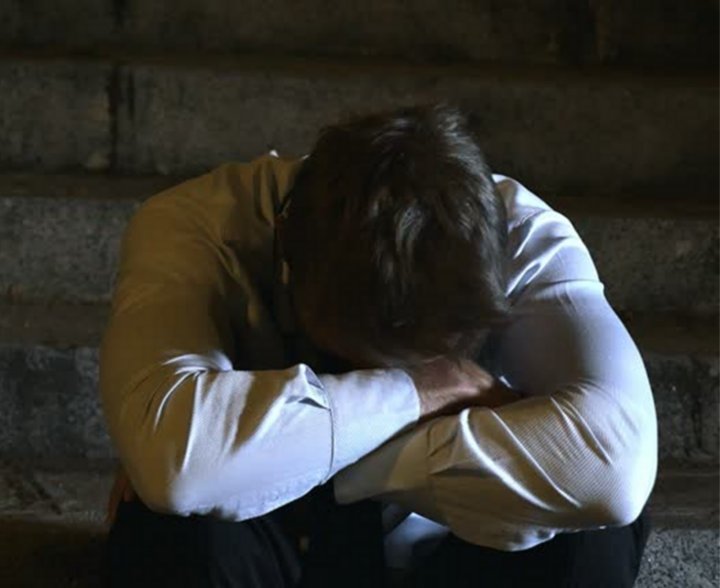
Life can be incredibly harsh when you’re already struggling. It’s bad enough dealing with the pain of your situation, but it can feel unbearable when others seem to add to your suffering. Whether it’s people you once considered friends or strangers who act without a second thought, the feeling of being “kicked while you’re down” can leave you wondering why anyone would behave that way.
But is it intentional? Or is it a symptom of something deeper and more universal?
Why Do People Kick You When You’re Down?
First, let’s address the rare case: some people, like psychopaths or deeply broken individuals, do derive satisfaction from seeing others suffer. They may deliberately add to your misery for their own twisted thrill. But these individuals are few and far between.
More often, what feels like a personal attack is not personal at all. There are people with low self-esteem who feel better about themselves by comparing their situation to someone else’s struggles. If they see you struggling, it reassures them that they aren’t doing so badly after all.
This dynamic often plays out among so-called “friends.” These are the people who cheer you on when you’re down, claiming they “want the best for you.” That’s all well and good—until you start doing better than them. Then, their encouragement turns to caution, doubt, or subtle sabotage. They may warn you that you’re heading into dangerous territory, secretly hoping you’ll stumble so they can swoop in with an “I told you so.”
The reality is, most people aren’t kicking you while you’re down out of malice. Instead, they are navigating their own struggles and insecurities, often unaware of how their actions—or inactions—affect others.
The Matryoshka Doll: A Story of Invisibility
To understand how this happens, consider the story of a university professor who lost everything.
This once-respected man watched his life crumble after his youngest daughter was diagnosed with leukemia and later took her own life. His family fell apart under the weight of their grief, and he left his career to open a gift shop in her memory. But tragedy struck again when the shop burned down, leaving him destitute. Eventually, he became homeless, clutching only a treasured matryoshka doll—a gift he had given his daughter—as a reminder of her love.
 One night, as he sat in an alleyway with his beloved doll, a car barreled down the street, striking a dumpster that smashed into his hiding spot. The professor survived, but the doll was destroyed. Days later, his lifeless body was found, clutching the shattered pieces.
From the professor’s perspective, it felt as though life itself was conspiring against him. Every glimmer of hope had been shattered, leaving him broken and invisible. Yet the truth was far less personal. The car in the alley wasn’t targeting him; it was driven by teenagers on a joyride, completely unaware of his presence. The professor’s tragedies weren’t orchestrated by malice—they were a cascade of unfortunate, unintentional life circumstances.
Invisibility and the Struggle to Matter
As the professor’s story illustrates, when your ability to influence others diminishes, so does your visibility in the eyes of society. People are consumed by their own lives, their own struggles, and their own quests to feel better. In today’s fast-paced world, out of sight often means out of mind.
This doesn’t mean people don’t care; it means they’re distracted. Everyone is trying to navigate their own challenges with the tools they have, often with blinders on to the struggles of others. It’s not that they’re kicking you while you’re down—they simply don’t see you at all.
Perspective Matters
The truth is, we all live life from our own perspectives. Until you read this story, a broken matryoshka doll held no significance for you. For the professor, it was everything. The teenagers who crushed it didn’t see the professor or his pain; they were focused on their own lives, trying to feel good in the moment.
Same incident. Different perspectives.
This is the nature of life. When it feels like someone is intentionally hurting you, it’s often just life unfolding around you. People rarely act with the intent to harm; they’re simply doing the best they can to navigate their own challenges, often unaware of the ripple effects.
Finding Your Way Back
When life feels overwhelming, and you feel invisible, the most important thing you can do is take steps to remind the world—and yourself—that you are still here. Don’t let yourself fade into the background. Even small, deliberate actions can reignite your significance.
You are an amazing person with a unique purpose, message, and mission. Your experiences, no matter how painful, have equipped you to help others who are struggling with similar challenges. You don’t need to have all the answers; you just need to refuse to give up. Take the next step toward rebuilding your life—no matter how small—and trust that each step will lead to a better, brighter future.
A World of Blind Spots
The professor’s family didn’t abandon him out of malice. They were overwhelmed by their own grief and chose to cope in ways that made sense to them, even if it meant distancing themselves. His daughter’s suicide wasn’t meant to hurt anyone—she simply wanted to ease what she thought was a burden on her family.
We’re all human, trying to navigate this imperfect world. Most of us have blind spots, and we unintentionally hurt others simply because we’re focused on our own pain or desires. The key to moving forward is to recognize this truth and give others—and yourself—grace.
The Path Forward: Love and Purpose
No one is intentionally out to get you. Life’s challenges can make it feel that way, but more often than not, people are simply unaware of the impact their actions have.
Instead of dwelling on the perceived slights or injustices, focus on what you can control. Look for ways to rise from your circumstances. Find your purpose, share your story, and inspire others with your resilience.
You have the power to create a new chapter—one defined not by despair, but by strength, love, and the profound realization that you matter.
This is my prayer for you:
Amen.