Get Up and Do Something

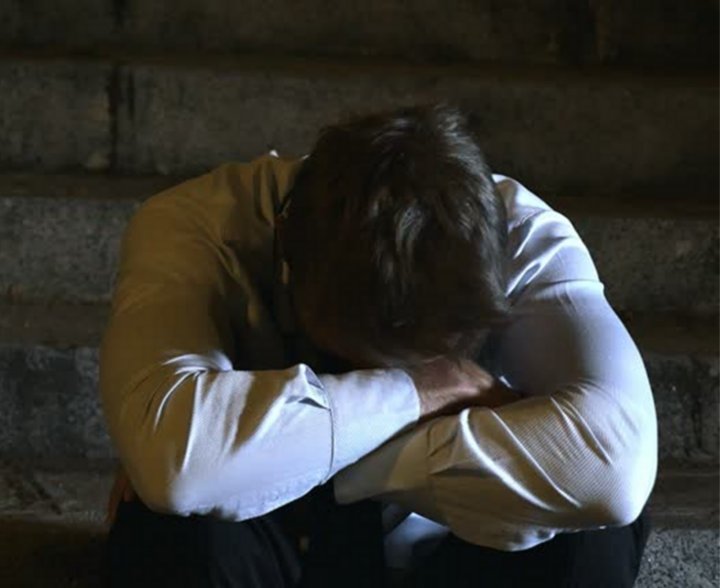
You’re working through the process of doing something good, something beneficial and potentially life-changing. Now, it’s hard to get up and do something. When you started, you had all the motivation necessary to see you through. Suddenly you find your motivation fading away and you start second-guessing and wondering if you’re doing the right thing or wasting your time?

You know if you bail out now, your life will be just the same as it was before. This will have been just another thing that you started at a time when you thought you could have a better life but for whatever reason, you just couldn’t do it.

You try to remind yourself that you life is not too bad and there are certainly a lot of people who are far worse off than you.

You’ve found yourself at a crossroad wondering which way to go. Do you find ways to push through the process, or do you find a way to graciously bow out?

The first thing to do is to have an honest talk with your inner and higher self to discover if you might be dealing with some form of depression. Depression affects more of us today, especially in America, because our food and water is contaminated with material that promotes depression. Therefore, we all, most of us who eat food and drink water that is readily available to us, are potentially moving in and out of depressive states at any time.

This problem is too difficult to fix at the time you are feeling like your motivation for seeking a better life is waning.

So, what can you do?

Let’s take a look at your sleep patterns. Are you finding that you require more than 8 hours of sleep? Is it hard to wake up or even get out of bed in the morning? Are you perfectly content, just lounging around in your pajamas, reclining, or laying on the couch all day? Do you find yourself taking naps throughout the day?

If so, these are pretty good indicators that you are dealing with issues related to depression, and if you don’t find a way to interrupt this pattern of behavior, you may find yourself living out the rest of your days with a steadily decreasing desire to pursue a better life for yourself.

The best thing you can do is to get out of bed, take a shower, get dressed, make the bed, eat breakfast, and do something. Make commitments to yourself or someone else to do anything where you might have to present yourself in an awakened and alert state of being.

Do a video call with someone. Create a morning routine, maybe start your own personal version of “Good Morning America” and do a video stream. Who cares if anyone watches it, and someone is likely to see it, but there you are, awake and engaged.

If this sounds impossible for you, just do it or something else, and feel free to take a 20-minute power nap afterwards. Set the alarm. When it goes off, think about doing something that will help to increase your life. Some small step.

Small steps toward creating a better life for yourself are cumulative, that is to say, one thing builds upon the other slowly, and even though you may not see the results when you’ve taken a step, after a while, you can look back and see how far you’ve moved from where you were in your life, and no doubt you are closer to a better life. If you don’t stop or turnaround and run back, you will keep getting closer to what you want.

And it all starts with getting out of bed, taking a shower, getting dressed, making the bed, eating breakfast, and doing something.

This will help to elevate your body’s intrinsic anti-depression chemistry and get your day going in the right direction.

Remembering not to beat yourself up too much when you’re not feeling 100%. The key is to keep moving and do something, even if it’s not much, but it moves you closer to your goal.

Maybe your intention was to read a chapter of that book, and you only made it through one page. No problem. Mark where you left off. Maybe you will get a chance to read more later, maybe not, but recognize that you are one page closer to where you want to be.

And as you continue to do this, it will get easier.


Why Would Someone Kick You When You’re Down?

Clearly, a psychopath would get a thrill from adding a little more pain to your misery when things aren’t going your way, but when you’re really down and out, why would people (some people you may have referred to as “friends” not long ago, as well as people you don’t know or don’t know well at all) take pot shots at you, when you have little or no resources for recovering from the attack or wounds therefrom?

Life can be incredibly harsh when you’re already struggling. It’s bad enough dealing with the pain of your situation, but it can feel unbearable when others seem to add to your suffering. Whether it’s people you once considered friends or strangers who act without a second thought, the feeling of being “kicked while you’re down” can leave you wondering why anyone would behave that way.

But is it intentional? Or is it a symptom of something deeper and more universal?

Why Do People Kick You When You’re Down?

First, let’s address the rare case: some people, like psychopaths or deeply broken individuals, do derive satisfaction from seeing others suffer. They may deliberately add to your misery for their own twisted thrill. But these individuals are few and far between.

More often, what feels like a personal attack is not personal at all. There are people with low self-esteem who feel better about themselves by comparing their situation to someone else’s struggles. If they see you struggling, it reassures them that they aren’t doing so badly after all.

This dynamic often plays out among so-called “friends.” These are the people who cheer you on when you’re down, claiming they “want the best for you.” That’s all well and good—until you start doing better than them. Then, their encouragement turns to caution, doubt, or subtle sabotage. They may warn you that you’re heading into dangerous territory, secretly hoping you’ll stumble so they can swoop in with an “I told you so.”

The reality is, most people aren’t kicking you while you’re down out of malice. Instead, they are navigating their own struggles and insecurities, often unaware of how their actions—or inactions—affect others.

The Matryoshka Doll: A Story of Invisibility

To understand how this happens, consider the story of a university professor who lost everything.

This once-respected man watched his life crumble after his youngest daughter was diagnosed with leukemia and later took her own life. His family fell apart under the weight of their grief, and he left his career to open a gift shop in her memory. But tragedy struck again when the shop burned down, leaving him destitute. Eventually, he became homeless, clutching only a treasured matryoshka doll—a gift he had given his daughter—as a reminder of her love.

One night, as he sat in an alleyway with his beloved doll, a car barreled down the street, striking a dumpster that smashed into his hiding spot. The professor survived, but the doll was destroyed. Days later, his lifeless body was found, clutching the shattered pieces.
From the professor’s perspective, it felt as though life itself was conspiring against him. Every glimmer of hope had been shattered, leaving him broken and invisible. Yet the truth was far less personal. The car in the alley wasn’t targeting him; it was driven by teenagers on a joyride, completely unaware of his presence. The professor’s tragedies weren’t orchestrated by malice—they were a cascade of unfortunate, unintentional life circumstances.

Invisibility and the Struggle to Matter

As the professor’s story illustrates, when your ability to influence others diminishes, so does your visibility in the eyes of society. People are consumed by their own lives, their own struggles, and their own quests to feel better. In today’s fast-paced world, out of sight often means out of mind.

This doesn’t mean people don’t care; it means they’re distracted. Everyone is trying to navigate their own challenges with the tools they have, often with blinders on to the struggles of others. It’s not that they’re kicking you while you’re down—they simply don’t see you at all.

Perspective Matters

The truth is, we all live life from our own perspectives. Until you read this story, a broken matryoshka doll held no significance for you. For the professor, it was everything. The teenagers who crushed it didn’t see the professor or his pain; they were focused on their own lives, trying to feel good in the moment.

Same incident. Different perspectives.

This is the nature of life. When it feels like someone is intentionally hurting you, it’s often just life unfolding around you. People rarely act with the intent to harm; they’re simply doing the best they can to navigate their own challenges, often unaware of the ripple effects.

Finding Your Way Back

When life feels overwhelming, and you feel invisible, the most important thing you can do is take steps to remind the world—and yourself—that you are still here. Don’t let yourself fade into the background. Even small, deliberate actions can reignite your significance.

You are an amazing person with a unique purpose, message, and mission. Your experiences, no matter how painful, have equipped you to help others who are struggling with similar challenges. You don’t need to have all the answers; you just need to refuse to give up. Take the next step toward rebuilding your life—no matter how small—and trust that each step will lead to a better, brighter future.

A World of Blind Spots

The professor’s family didn’t abandon him out of malice. They were overwhelmed by their own grief and chose to cope in ways that made sense to them, even if it meant distancing themselves. His daughter’s suicide wasn’t meant to hurt anyone—she simply wanted to ease what she thought was a burden on her family.

We’re all human, trying to navigate this imperfect world. Most of us have blind spots, and we unintentionally hurt others simply because we’re focused on our own pain or desires. The key to moving forward is to recognize this truth and give others—and yourself—grace.

The Path Forward: Love and Purpose

No one is intentionally out to get you. Life’s challenges can make it feel that way, but more often than not, people are simply unaware of the impact their actions have.

Instead of dwelling on the perceived slights or injustices, focus on what you can control. Look for ways to rise from your circumstances. Find your purpose, share your story, and inspire others with your resilience.

You have the power to create a new chapter—one defined not by despair, but by strength, love, and the profound realization that you matter.

This is my prayer for you:

Amen.

Feeling SAD Seasonal Affective Disorder

As the daylight hours shrink so might your optimistic outlook on life. As the summer months fade it is common for your energy levels to decrease welcoming back your old friend (note, sarcasm intended) seasonal affective disorder, or SAD. Its affects vary from mild to severe, but it’s quite common for yu to get hit with a case of the blues as the seasons change.

You may just be sensitive to the seasons or you could have a psychological anchor to something from you past which took place at a particular time of year that prompts your singing the blues every time the environment resembles the time of the season that something that caused a prolonged sadness, disappointment, loss or other tragic life challenge.

Rates of depression generally increase reaching the heights (the number of depressed individuals increase while their healthy states of minds decrease) of blueness right around the holidays. This we know, if you can hang on, you can make it through this period of time when you’re not feeling so exuberant about life.

Besides depression, other markers of seasonal affective disorder include trouble sleeping (which could range from not being able to sleep to sleeping a lot but never feeling rested), lack of energy, and your feelings can be “right there” having you on the verge of emotional outbreak or upset just waiting for the slightest triggering.

Other symptoms include weight gain due to increased carb intake, as well as other tendencies to self-medicate. Also, when you’re not feeling on your game, your family and social relationships can suffer and as your immune systems declines, you are more susceptible to seasonal illness, cold and flu.

Your life has seasons, just like the world where we live does, but you don’t have to let it get to you. First of all, if you’re on a track of doing certain things to make your life better and have made commitments to yourself or someone else to do things on a regular basis, by all means, keep doing them.

There are things you can do to improve your mood to help give you the energy you need, like getting outside. I know, it’s not nice, like it was during the summer, but find joy in getting out, taking a brisk walk and breathe the fresh air. Let it flow throughout your circulatory system. This is good work. Bundle up according to the weather conditions. It will feed your cells and you will feel better (even if it is a little less pleasant than a summer stroll).

There is a lot to be said about not being cooped up inside, so if you’re feeling restricted, then un-restrict yourself and get out of the house. Go to the (I know, if you can still find one) library, go “window shopping” (you don’t have to buy anything). There are lots of places you can peruse which are open to the public and may be accessed at no charge.  Take out some time to visit with family and friends.

Put yourself on a positive track by setting up regular visits with a counselor, coach, therapist, or member of clergy, who can help you turn this difficult time into a masterful piece of work, that will make you feel better, and you’ll be proud knowing that you will have something positive to reflect on at a time when you might have rather felt like hibernating.

Find a public service organization or charity you could support by volunteering. In this way you stave off your emotional lull, create an opportunity to meet new people, and make the world a better place. Amen.


Why Do People Commit Suicide?

There is no doubt that the current suicide statistics are off the charts. Suicide is one of the top ten leading causes of death in the United States today. Today 117 people died from suicide, of those 22 of them were Veterans. 30 of the suicide victims were women, while the other 87 men also unalived themselves. It not only happened today, but it happens every day in the USA.

why do people commit suicide depression suicide suicidal thoughts commit suicide why do people kill themselves

Why do people commit suicide?

Determining the specific details about why people are actually moved to take their own life is somewhat of a mystery, but many share some of the same characteristics. Depression is the default answer, but since everyone who is depressed does not commit suicide, what do those who actually commit suicide have in common?

Some key components that suicide victims appear to share include pain, loneliness, abuse, guilt, rejection, helplessness, and deep sadness. As we collect more data the answer to, “Why do people kill themselves?” becomes more clear. The single most significant constant appears to be an overwhelming concern of being a burden on others or the community at large.

So, the common feelings among people who commit suicide include:

My life has no value
I have nothing to offer the world
There is no reason to live
The world would be better off without me

The Suicide Attempt 80/20 Rule

Twenty percent, or one out of five people who attempt suicide and fail, will successfully commit suicide in the next five years.

By all means, when reviewing any statistical data on suicide, keep in mind that these are people, not statistics. Resist the temptation to categorize or judge, because any of us at any time could be in a position to feel that not living might be the only way to stop the pain of living.

Here’s the Good News

One out of five people who attempt suicide will change their lives and be living a wildly satisfying, happy, and fulfilled life in the next five years.

You might be surprised to find that it takes the same amount of effort, determination, conviction, and commitment to kill yourself as it does to change your life for the better; in fact, so much better, that the very same person who was willing to commit suicide can enjoy massive success, happiness and live a long and fulfilling life. Consider being a thriving survivor.

Suicidal Thoughts

That said, thoughts of suicide can be the most important indicator that your life is at a critical juncture of dramatic change. The universe is offering you all the desires of your heart fulfilled if you choose to accept the challenge in this moment.

The Suicide Opportunity

This distinct pinpoint in your life indicates the greatest opportunity in your life. It’s as if you are standing on a tightrope suspended over two choices, for it takes the same amount of effort to choose a massively successful life on the one side, or managing the taking of one’s own life on the other. Either way, it takes a great deal of thought, planning and careful execution of your plan to achieve either self-inflicted death or massive success. Sixty percent of those who have attempted suicide will shimmy across the rope without making one of the two decisions, accepting their lot in life, to live out their days doing the best they can with what they have.

If you are considering committing suicide, this is a clear indication that you are at the most important place in your life, the decision that you make in this moment will change your life forever, either for the better or to prove that you refused to take the offer provided you by the universe.

I have worked with many successful people who have been there. Even though for the most part (for obvious reasons) they are unwilling to tell their stories to the general public, so many highly successful people found themselves, staring down the barrel of a gun, holding a handful of pills, contemplating stepping off the chair, or swirling poison in a wine glass.

The best stories start that way.

This is when you decide that

I can have everything I ever wanted
I have a mission and purpose for my life
The giving of my gift to others is my reason to live
I can help to make the world a better place

Instead of planning your suicide by searching for how to commit suicide, or how to kill yourselves painless and easy, maybe consider that you are at the most meaningful crossroads that you will ever face in your life, and you may choose to begin your

Most Amazing Life Ever

If you can’t seem to get a grip on how to stop suicidal thoughts, please call 1-800-273-TALK (8255). You are in no hurry, talk to someone anonymously first and consider reaching for just one more day because once you decide to kill yourself, the effects can be permanent and you may not get a second chance.

Don’t let your song die

But please, see this as a moment of clarity indicating that your life does have a meaningful purpose, and now is the time to find and begin singing your song to the world.

I would love to congratulate you on your decision to turn your attention to achieving your highest and best.

All it takes is being open to the possibilities and to start living the life you were given to its fullest.

You can do this

May God bless you in all you do

Anxiety Depression Fear

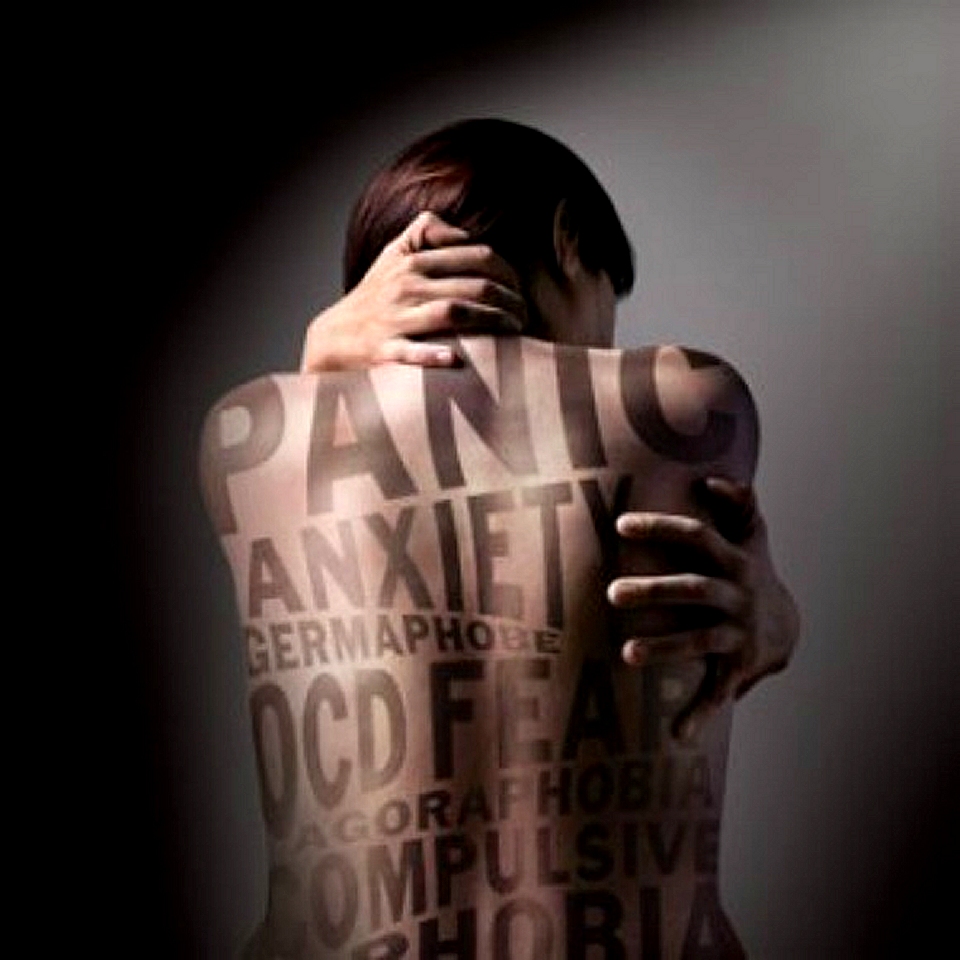
For the most part anxiety, depression and the myriad diagnoses and symptoms that accompany these maladies are all fear-based. Granted, fear is a necessary survival instinct that helps to keep us alive and enables us to have a heightened sense of awareness when danger is present or the need for self-protection is imminent. On the other hand, when fear gets out of balance, anxiety symptoms and depression symptoms escalate creating disorders that can greatly affect our lives.

The therapeutic treatment community is doing their very best to keep up with all these anxiety disorders that are increasing at an alarming rate within the various ranks of our society. Categorization and labeling of specific symptoms has helped mental health professionals to define certain disorders and drug experimentation has been helpful in mitigating the damages (or subduing the symptoms) so as to offer a sense of normalcy to those afflicted with these fear-based ailments.

anxiety depression agoraphobia ptsd ocd panic attack

Some of the most prominent classifications include General Anxiety Disorder and its shirt-tailed cousins, Agoraphobia, PTSD (Post Traumatic Stress Disorder), OCD (Obsessive Compulsive Disorder), Panic Disorder, Social Phobia (as well as all other types of phobias, like fear of enclosed spaces, heights, large bodies of water, spiders, snakes, etc…), Acute Stress Disorder, Substance Induced Disorder and a number of variation and combinations as unique as each individual patient.

Then there are the depression disorders, like Bipolar disorder, Manic depression, Melancholia, Major depressive disorder, Seasonal affective disorder (SAD), Clinical depression, Dysthymic disorder, Psychotic depression, Cyclothymic disorder and Unipolar depression plus an unlimited hodgepodge of mixed anxiety-depression to make things even more complicated.

Are You Anxious or Depressed?

With the growth of these fear-based disorders, chances are you suffer from some form of anxiety or depression (which all of us do to some degree), but either you or someone you know suffers from an above-normal anxiety or depression level and you know things are just not right.

What Can You Do About It?

First off, seek help; a qualified third-party to help you discover a proper diagnosis and some intermediary intervention, because left to itself increasing levels of anxiety and depression can lead to suicide, one of the most escalating causes of premature death in the United States today.

That said, as soon as you are able to get a grip, take time for introspection. Either alone or with the help of a counselor, you can find out what the source of your anxiety and/or depression is and deal with it.

Finding inner peace through meditation, mindfulness and disengaging the painful neurological connections in your brain by using tapping (Emotional Freedom Technique) or other psychological pain interventions can be highly effective modalities in helping to achieve a safe emotional place of self-centered being.

You are the master of your own fate. Increase self-confidence and take control of your life. You can – even in the most challenging life circumstances – find peace, harmony and happiness from within, living an enthusiastic life, giving you the ability to achieve your highest and best.

When you allow yourself to suffer the symptoms of anxiety and/or depression, your personal vibration acts as a powerful magnet attracting more and more negative life circumstances. Don’t close yourself off from others. Only by centering yourself and living a happy life (though probably faking it, at first), get out in public, put on a smile, greet people (even if only the clerk at the store, at first) looking and acting as if you are happy, will eventually help you feel better.

Finding any way to make you feel better is doctor’s orders. If it feels good to spend time with friends, be out in nature or go to a comedy club, whatever… Do that; then do more and more of those things that make you feel good.

Practice stress reduction techniques, such as mindfulness meditation or aerobic exercise. Shift your focus to the positive emotions in your daily life. Work to identify meaning and purpose in your life. Get support from others. Go for a walk or run in a park.

You Can Do This

You can conquer anxiety and depression and ultimately live a stress-free and happy life, if you learn how to relieve stress and are ready to get back in the driver’s seat of your best life, create an alternate route and begin your new journey to the destination of your choice.

Do not let these feelings and inner voices devour you. You have all the tools necessary to deal with this and get you back on your feet.