Limiting beliefs are a hidden but powerful force in our lives. They shape our perceptions, decisions, and actions, often without our conscious awareness. These subconscious roadblocks can prevent us from healing, achieving our goals, or living authentically. By understanding what limiting beliefs are and how they work, we can uncover the ways they may be sabotaging our progress and begin the transformative journey toward freedom and self-discovery.

Join me as we take a look at the nature of limiting beliefs, how they manifest, and two effective techniques to overcome them: Tap Cross Therapy and The Sweep. While uncovering these beliefs may feel challenging, approaching the process with curiosity and humor can make it a rewarding experience.
What Are Limiting Beliefs?
Limiting beliefs are subconscious thoughts or assumptions about ourselves, others, and the world that restrict our potential. These beliefs often originate in early childhood through experiences, societal messages, or the meanings we assign to situations. While they may feel true, they are often based on skewed interpretations rather than facts.
For example, a child who repeatedly experiences rejection may internalize the belief that they are unworthy of love. Over time, this belief can shape their adult relationships, leading to patterns of self-sabotage and unfulfilling connections.
Key Characteristics of Limiting Beliefs:
-
- Subconscious: They operate beneath our conscious awareness.
- Self-Reinforcing: They influence behavior in ways that perpetuate themselves.
- Restrictive: They hinder growth, healing, and self-expression.
How Limiting Beliefs Block Healing
Many people find themselves stuck in a cycle of trying to heal or improve their lives, only to encounter repeated setbacks. This pattern is often driven by subconscious resistance.
Why Does Resistance Occur?
-
- Perceived Benefits: At some level, the subconscious mind believes the current challenge provides protection or benefits.
- Fear of Change: Healing may require stepping into the unknown, which the subconscious views as risky.
- Conflicting Desires: A part of you wants to heal, while another part resists due to deeply ingrained beliefs.
For example, someone with a chronic illness may subconsciously associate healing with losing attention or care from loved ones. This inner conflict can prevent progress, even when conscious efforts are made.
The Impact of Limiting Beliefs on Behavior
Limiting beliefs act like filters, distorting how we see ourselves and the world. This distortion influences our thoughts, emotions, and actions, often leading to self-sabotage.
How Limiting Beliefs Create Patterns:
-
- Skewed Perception: Beliefs act as a lens, filtering experiences to align with their narrative.
- Reinforcement Loop: The subconscious seeks evidence to validate the belief, creating self-fulfilling prophecies.
- Behavioral Constraints: Actions are shaped by these beliefs, often resulting in cycles of limitation.
Consider the belief, “I’m not creative.” Someone holding this belief might avoid opportunities to express creativity, reinforcing the idea and further embedding it in their identity.
Uncovering Limiting Beliefs
Discovering limiting beliefs requires introspection and honesty. It involves identifying patterns of thought and behavior that feel restrictive or self-sabotaging.
Questions to Help Identify Limiting Beliefs:
-
- Do I avoid certain opportunities because I believe I’ll fail?
- Is there a recurring thought that holds me back?
- When I think about healing or achieving my goals, do fears or doubts arise?
Two Techniques to Overcome Limiting Beliefs
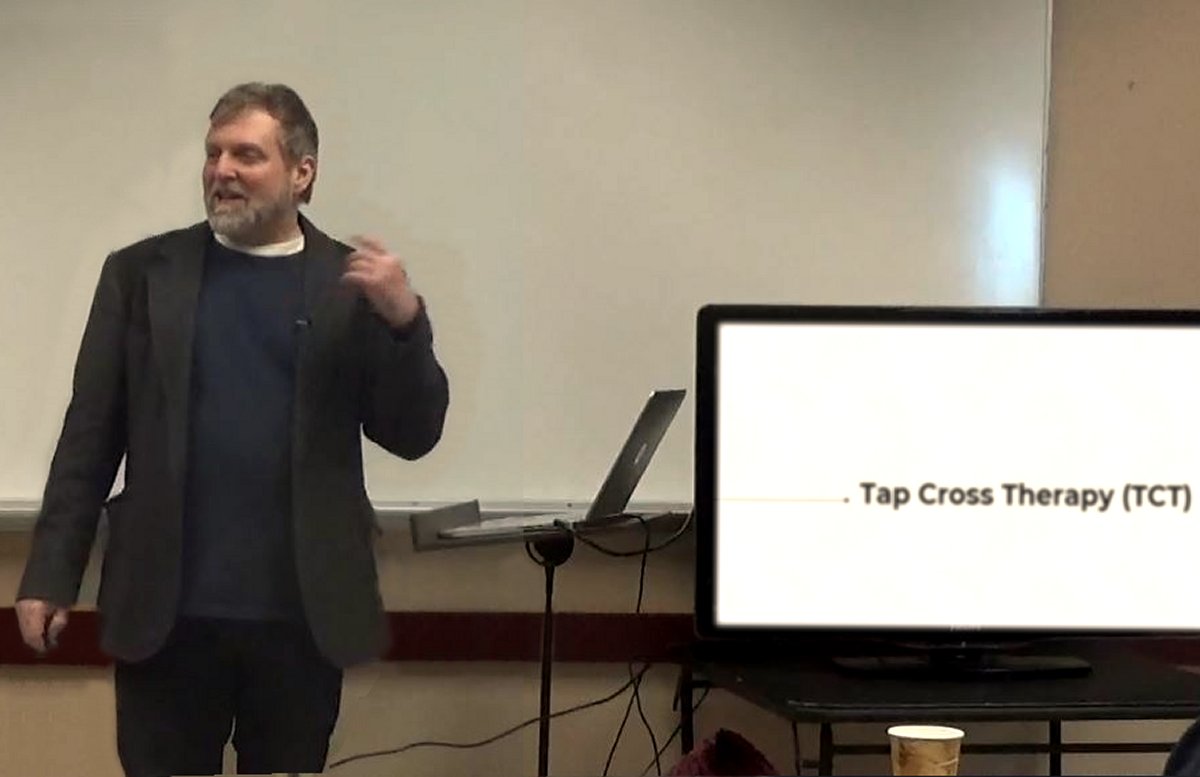
- Tap Cross Therapy
- Focus on the belief you want to release.
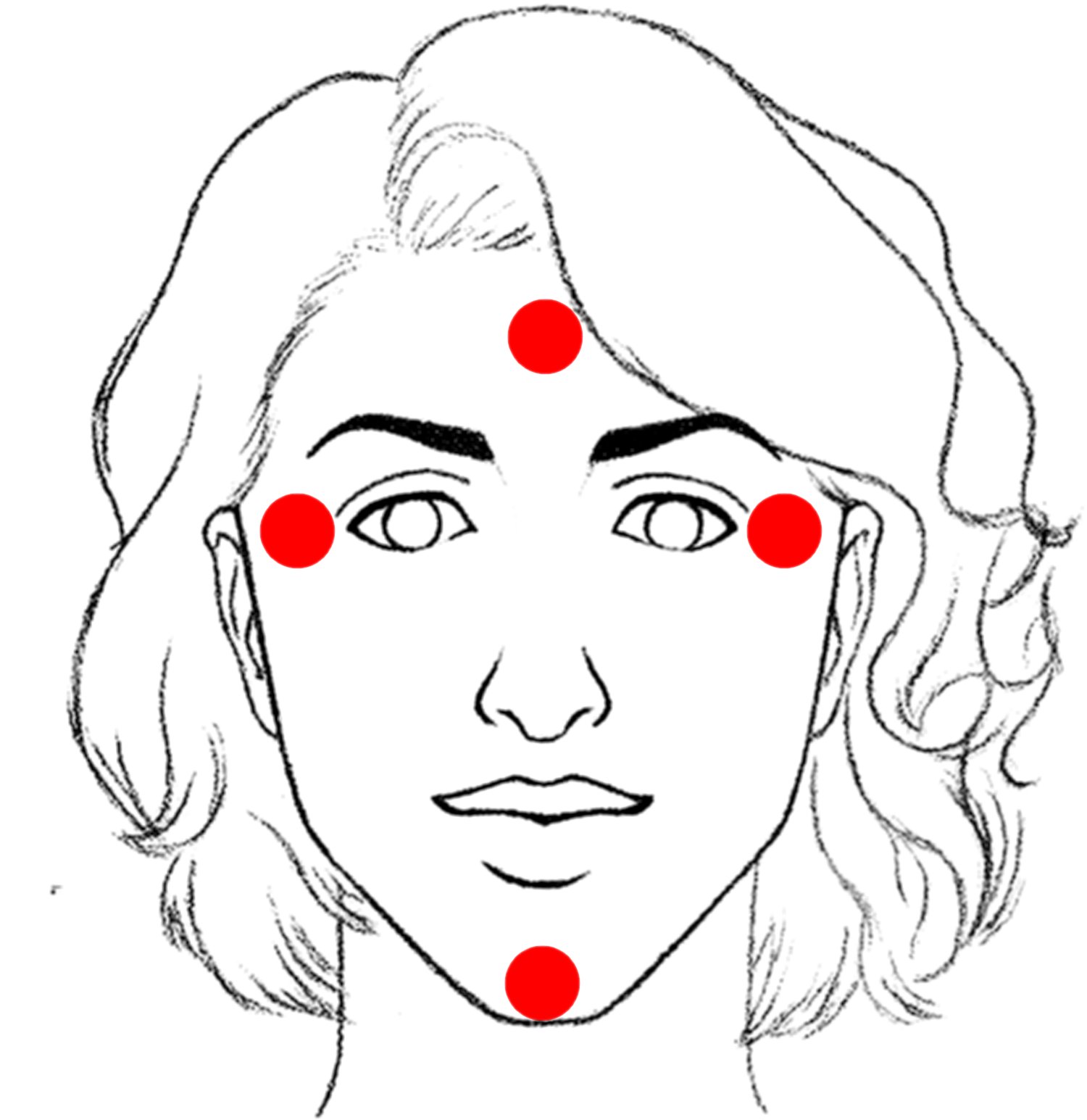
- Use your fingertips to tap gently on the four cross points of your body, then the four cross points of your face (forehead, chin, outside points of eyes).
- As you tap, affirm your intention to let go of the old belief and welcome new possibilities.
- Repeat. (See Release Emotional Trauma with Tap Cross Therapy)
- The Sweep
- Imagine your limiting belief as a dusty, unwanted object in your mental space.
- Close your eyes, visualize a broom sweeping it away, and replace it with a new, empowering belief.
- Repeat affirmations that support the new belief, such as, “I am capable of healing.”
These techniques help reprogram the subconscious mind, creating space for healthier patterns and beliefs to take root.
A Lighthearted Approach to Serious Work
While uncovering and releasing limiting beliefs can feel daunting, infusing humor and curiosity can make the process more engaging. Think of yourself as a detective uncovering hidden clues about your inner world. Each discovery is a step closer to freedom and healing.
Time to Clear Limiting Beliefs
Limiting beliefs are like outdated software running in the background of your mind, subtly shaping your reality. By identifying and clearing these beliefs, you can align your subconscious with your conscious goals, paving the way for transformative change.
Healing begins when you challenge the narratives that no longer serve you. With tools like Tap Cross Therapy and The Sweep, you can take empowered steps toward releasing the mental blocks that have been holding you back.
Embrace this journey with patience, humor, and a willingness to explore the depths of your subconscious mind. As you clear limiting beliefs, you’ll unlock your full potential and discover a new, unbounded version of yourself.