Wolves in Sheep’s Clothing

There comes a time in every soul’s journey when we must awaken to a sobering truth: not everyone who appears kind, helpful, or wise is operating from a place of love. Some are not who they claim to be. Some wear masks so convincing that even the most discerning hearts are caught off guard.

These are the wolves in sheep’s clothing—chameleons of deception who wear the costume of trust, kindness, and authority, only to manipulate, exploit, and drain others of energy, money, time, innocence, or hope.

The Hidden Predator Among Us

A wolf in sheep’s clothing can look like a friend, a lover, a mentor, a coworker, a healer, or even a spiritual leader. They may speak your language, mirror your dreams, and validate your pain. But beneath the surface lies a self-serving agenda—control, power, profit, or emotional vampirism.

They infiltrate your life not by force, but by subtle charm. They do not break down doors—they knock gently, smile warmly, and wait for you to invite them in.

And once inside, the game begins.

How They Show Up in Life

    1. As the Too-Good-to-Be-True Lover

They say everything you want to hear. They “love-bomb” you, showering you with affection and praise early on. But over time, the warmth turns cold. The support becomes control. Their love becomes a weapon. And you’re left wondering where that magical person disappeared to.

“He made me feel like I was the most beautiful woman in the world. But later, I was afraid to speak, to breathe wrong. I lost myself trying to keep his love.”

    1. As the Expert or Authority Figure

Whether it’s a health coach, a financial advisor, or a spiritual teacher, wolves sometimes wear lab coats or robes. They appear knowledgeable, even enlightened. But their goal isn’t your growth—it’s your obedience, dependence, or investment in their system.

“She convinced me to stop seeing my doctor and only follow her ‘natural healing protocol’—which cost thousands. I didn’t just lose money—I lost my health.”

    1. As the Fake Friend

These wolves love the role of confidant, but they’re not truly on your side. They feed off your drama, your secrets, and your vulnerabilities. They sabotage behind the scenes, all while acting concerned.

“I confided in her about my struggles, and later found out she told everyone… then said she was ‘just trying to get me help.’”

    1. As the Savior or Martyr

They offer to rescue you, help you, fix you—sometimes even financially or emotionally. But later, they hold their kindness over your head, demand loyalty, or expect you to become their emotional caretaker.

“He helped me when I was down, but then made me feel guilty every time I tried to leave or set boundaries.”

The Damages They Inflict

The true cost of encountering a wolf in sheep’s clothing isn’t just measured in money or time—it’s often counted in trauma, lost trust, and internal confusion.

    • Emotional Damage: Anxiety, low self-esteem, PTSD, people-pleasing
    • Financial Exploitation: Debt, scam investments, toxic dependency
    • Social Isolation: Wolves often separate you from your support system
    • Spiritual Confusion: Loss of faith in people, institutions, or intuition
    • Energetic Drain: You feel perpetually tired, uncertain, or unsafe

But here’s the good news—this is not where your story ends.

How to Detect a Wolf—Early and Often

Your soul is equipped with a built-in GPS: intuition. And the more you awaken, the more precise that guidance becomes.

1. Trust Your Gut

Even when someone says all the right things, energy never lies. If something feels off, it probably is. Don’t explain away your own warning signs.

2. Look for Inconsistencies

Wolves often have trouble keeping their stories straight. Their version of events changes depending on who they’re talking to. Ask yourself: Do their actions match their words consistently?

3. Notice the Rush

Beware of anyone who tries to fast-track intimacy, commitment, or investment. True alignment unfolds naturally. Wolves often create false urgency to trap you.

4. Watch How They Handle “No”

Healthy people respect boundaries. Wolves react with guilt trips, anger, or manipulation when you say “no.” Their mask often slips when they feel rejected or challenged.

5. Test Before You Trust

Especially with mentors, healers, or helpers—test their advice. Do your own research. Check references. Ask tough questions. Wolves hate scrutiny.

What To Do About It

If you suspect someone is not who they seem, don’t panic—but do protect your energy.

    • Pause: Don’t be rushed into anything. Create time and space for clarity.
    • Pray or Meditate: Center yourself in divine guidance. Ask for discernment.
    • Limit Access: Reduce how much of your heart, home, or wallet you offer.
    • Call in Support: Talk to someone you trust who isn’t under the wolf’s spell.
    • Exit Gracefully: You don’t owe an explanation to someone who came to deceive.

“Sometimes God removes people from your life for your protection. Don’t run after them.”

Psychopath Victims Toolkit

From Victim to Victor

You may feel embarrassed or even devastated if you’ve fallen for a wolf in the past. But remember: only the open-hearted, trusting, and loving are targeted by wolves. That is not a weakness—it’s your divine gift.

Your heart is not broken—it is being refined.

Every encounter teaches you something. Every betrayal births greater clarity. And now, you are stronger, wiser, and more aligned with your true path.

Let this be your awakening, not your undoing.

The Light Always Wins

In a world full of masks, be the real thing. Keep showing up with integrity, authenticity, and love. Not every person is a wolf. There are many fellow light-bearers walking this path beside you.

Stay open—but stay aware.

And when you spot a wolf, smile, bless them from afar, and walk away. Your destiny is too great to be delayed by counterfeit connections.

“You are not here to be used—you are here to shine.”

Keep shining.

— David M. Masters, author of Trust Betrayal, How to Deal with a Psychopath & Psychopath Victims’ Toolkit


 

When Someone Kicks You Out of Their Life

You were friends connected at a deeper level than other beings. You intrinsically shared the same vibration and trusted each other with your innermost thoughts, guarded feelings, and hidden desires. When someone kicks you out of their life, it leaves an indelible mark, a bruise on your heart, leaving you feeling as though you’ve been betrayed by your most trusted friend.

Navigating Loss and Finding Love Again

Few things sting as deeply as losing someone you thought would be in your life forever. You trusted them with your innermost thoughts, shared moments of connection, and resonated on a level that felt rare and irreplaceable. When someone kicks you out of their life, it’s not just a rejection—it feels like a betrayal, leaving a bruise on your heart that’s hard to heal.

The Unique Pain of Losing a Close Friend

Unlike a marital relationship, where legal and societal frameworks create a sense of security, friendships—no matter how deep—exist without a safety net. There’s no recourse when someone decides to walk away, no way to demand answers or accountability. They simply vanish, and you’re left to pick up the pieces.

If you’ve experienced abandonment in the past, the pain of losing a close friend can hit even harder. You might feel guilt for trusting too much or for letting your guard down. You may wonder, “Should I have seen this coming? Should I have protected myself better?”

The Complexity of Shared Spaces

To make matters worse, you might still have to see this person in professional or social settings. Watching them move through life as if you no longer matter can feel like salt in the wound. Each encounter can reopen the hurt, reminding you of what you’ve lost.

The Grief of Losing a Friend

The loss of a close friend is not unlike the grief that follows death. In fact, it’s sometimes more complicated because they’re still alive—you just no longer exist in their world. This kind of separation can feel like a living loss, akin to someone intentionally removing themselves from your life, much like emotional suicide.

Grief is a natural response, and it’s likely you’ll move through the seven stages of grief: shock, denial, anger, bargaining, depression, testing, and acceptance. Allow yourself the space to process these emotions.

Avoid the Trap of Overthinking

When a friendship ends, it’s natural to wonder, “Why?” Your mind races, trying to piece together what went wrong. But this is a dangerous trap. Overanalyzing the situation or imagining scenarios that may not be true can lead to obsessive thoughts, which only prolong your pain.

Even more concerning, negative thought patterns can weaken your immune system, not just while you’re thinking them, but for hours afterward. This physiological toll only compounds the emotional pain.

Shift Your Focus to Love

Instead of dwelling on what went wrong, redirect your imagination to places where love resides. Reflect on the good times you shared, reliving those moments with gratitude and joy. Immerse yourself in the warmth of those memories without letting them devolve into feelings of betrayal or loss.

This shift in focus has a powerful effect. When you dwell in the frequency of love, your immune system gets a boost that lasts for hours. Love isn’t just a feeling—it’s a state of being that heals, energizes, and uplifts you.

Celebrate the Connection You Had

Even if the relationship is no longer part of your present, you can cherish the moments you were blessed to share. Feel gratitude for the laughter, the connection, and the memories.

While it’s natural to mourn the loss, it’s equally important to celebrate what was. Recognize that not every connection is meant to last forever, but that doesn’t diminish its value.

Rebuild and Move Forward

When someone kicks you out of their life, it’s an opportunity to rediscover yourself and make space for new connections. Here are some ways to move forward:

    • Raise Your Vibration: Find new ways to embrace joy and celebrate life. Engage in activities that bring you happiness and fulfillment.
    • Make New Friends: Open yourself to new relationships. The world is full of people waiting to connect with someone like you.
    • Focus on Self-Love: Reinvest in yourself. The love you cultivate within will attract love from others.

Letting go doesn’t mean you stop caring—it means you release the need for their presence in your life.

The Freedom of Letting Go

When someone chooses to exclude you from their life, they may be missing out on something incredible. But that’s their choice. Your journey continues, and it’s filled with endless possibilities for growth, connection, and love.

Release the hurt. Let go of the questions. Focus on what brings you joy and fulfillment.

Love-On, My Friend

Life is too precious to be spent clinging to what no longer serves you. Embrace the love within you and let it guide your path.

When someone kicks you out of their life, it’s their loss—not yours. You have the power to heal, grow, and thrive.

So, love-on, my friend. Love-on.

Disappointed When Friends Let You Down

As you get to know other people and open up to them, they take more significant seats in your circle of influence. You’re being more transparent and you’re trusting them more and more as the bond between you grows. Invariably, the time will come when someone lets you down. You thought you knew them better, thought you could depend on them, felt reasonably assured they would keep their word, but they failed you. It’s no wonder you’re disappointed when friends let you down.

When you allow people to enter your inner circle, you tend to size them up as to what significance they will have in your life, and how much you’re able to trust them. When they react (or don’t react) in a way that you expected, it’s easy to jump to conclusions and judge them, like, “If you’re not for me, then you are against me.”

Granted, your feelings are hurt. You feel disappointed, left out, hurt, betrayed, disrespected and discarded because someone you trusted, your friends let you down.

Immediately, you don a self-righteous attitude because you would not have done this to them, you’re of the persuasion that you live by the golden rule, you do unto others as you would like them to do unto you. You just wouldn’t betray them like that. You know they can trust you, why can’t he or she give you the same respect of being trustworthy?

You’re likely to take this incident to heart and make a sudden judgment about the person who let you down and let it gnaw away at you for a while dominating your inner dialogue, reducing your vibration, and making yourself even more upset.

As soon as you’re able to find a place of cognisense, you need try to figure out if their action (or inaction) was malicious in nature. Most people are not out to get you, nor do they have the intention of hurting you. Everyone has their own things going on in the lives and in their minds, and it’s impossible to know what anyone is thinking at any given time.

Just as you’re doing the best you can with what you have available to you to get through this life, so are other people doing likewise. Someone who possess a high degree or maral integrity, whose word is gold, may even waver from time to time depending on what’s going on in his or her life. For others, it might just come down to their particular personality traits.

There are certain types of individuals who are so concerned with their own lives, that they may never be able to set aside their own wants, needs, or desires, to accommodate your expectations of them. It’s just the way they’re wired. You can’t change them. The best you can do is to love them and realize that’s just the way they are.

So, what can you do when your friends let you down?

When someone lets you down, you could take it personally, play the part of the victim, judge him or her, get upset, talk behind their back, shun them, or push them out of your life altogether.

If someone has been there for you in the past, and you know you could have depended on them because of their track history, then forgiveness should probably be extended to this person, even if it feels like you’ve been stabbed in the back.

To do so, it’s likely that you’ll have to make some space in your life to think about this, contemplate the details about what has happened and to review how much this person means to you. What kind of person are they? Are they just telling you how they really are and what to expect in the future, or are they genuinely dependable and this was an isolated incident?

Before arriving at a conclusion, I always like to pose the scenario to a disinterested third-party in the hopes of gaining a better perspective regarding the incident, because it’s easy to get locked into my point of view.

This is your life. You need to do what you need to do to get by the best you can with what you have. Sometimes, it means cleaning the slate and starting over again with someone who brings value to your life, other times it includes recognizing a potentially toxic person in your life and making space for someone more deserving of your trust.

The decision is your, whichever way you decide, think about which way is the high road leading to your highest and best.

Dealing with Betrayal

You’ve put your trust in someone because you’re an honest, open person. The trust that you felt for this person was at such a high level that you let your guard down, possibly were more transparent than you’ve ever been… and now, you’ve been betrayed. Right now, you can even recall a time when you’ve felt so bad like you’ve been punched in the stomach, had your throat slit, been beaten and thrown into a ditch and left for dead.

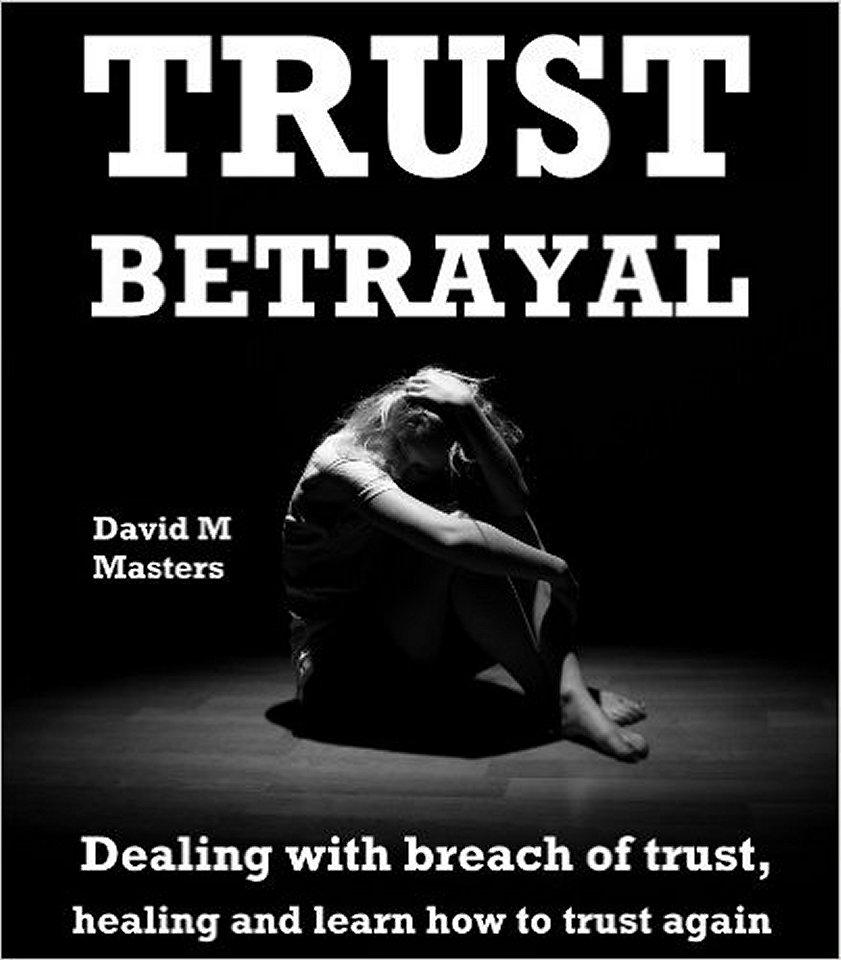
Trust-Betrayal-David-M-Masters-dealing-with-breach-of-trust-healing-how-to-trust-again


Betrayal comes in many shapes and sizes, so it’s difficult to discern what to do next, but be aware, when you’ve been stabbed in the back (so to speak) by someone you’ve trusted and you have been betrayed, it is important to get your wits about you, make healthy choices and take appropriate action in an effort to not make things any worse than they are right now.

Friend Betrayal

I was betrayed and I was hurt Im better now stronger than ive ever beenWhen you’ve been betrayed by a friend it cuts deep, especially it was a best friend betrayal, because the closer you are to a person (as in the case of a best friend) the more vulnerable you have been. It’s likely that you’ve shared sensitive information that you entrusted to your best friend and now you’re regretting having opened up so transparently. When your best friend betrays you it’s reasonable to feel a range of emotions including sad, hurt, fear and anger.

When a friend betrays you (any kind of friend) the degree of vulnerability normally adjusts to the relationship’s level of trust accordingly. Your friend could be a co-worker who has regular access to other co-workers and friends complicating things further.

“I can’t believe my friend betrayed me.”

When friends betray you, you can feel as though you need to defend yourself, strike back, flee or withdraw from society altogether. Yet, you should refrain from doing these things, if you can, when you’ve been betrayed by friends.

Family Betrayal

There is no doubt that family betrayal will rock anyone’s world. I mean, if you can’t trust your family who can you trust? Your level of exposure to family members is exponential when compared to friends. Your family knows just about everything about you and could use this information against you.

When family betrays you, hopefully, you have a friend you can trust, or seeking out a coach or counselor to help you keep your head screwed on straight as your family makes you feel as though it’s just you against the world. You need someone in your corner, who can help you empathetically when your family betrays you.

Love and Betrayal

The one person that you have been the most exposed to is your love interest. Your boyfriend/girlfriend, fiancé, husband or wife knows you more intimately than anyone and when you’ve been betrayed by a lover, if you’ve been truly in love with this person, all your emotions will be maximized.

Little hurts worse than being betrayed by someone you’ve opened up to completely and have shared intimacy with. Your heart feels as though it’s been stabbed and left bleeding out as you ponder, “Why?”

How to Deal with Betrayal

When you’re immersed in the pain of betrayal, it’s difficult to think straight. Here’s a simple exercise that you can perform that will release the pain of being betrayed that will help you to approach the betrayal from a logical perspective:

Penny for Your Thoughts

Once you’ve been able to remove the pain, you will find yourself thinking more clearly.

You can find some peace by not thinking of yourself as a victim and realize that the person who has betrayed your trust and faith is not an evil person. In most cases the one who has betrayed you is a victim of life circumstances which has made him or her strike out at others in this way.

Betrayal leaves wounds and scars that made me strongerYou will find that it is not so much about you, as it is the pent up pain and frustration of an individual suffering from low self-esteem, self-loathing and a life of pain which causes them to act out in this manner.

Get Trust Betrayal on Amazon

If you’re an empathetic person, as you begin to realize this, you may be inclined to reach out to the person who has betrayed you in an effort to help him or her. This would be ill-advised, as it is not your job to try to fix this person, and it could be very well that this person is not salvageable. Even if he/she were, your attempts are likely to cause you more undeserved pain and loss.

You’re better off avoiding the excess drama and find ways to move on.

You can find more ways to deal with betrayal in my book: Trust Betrayal.