How Can I Recover from Being Betrayed By Someone I Trusted?!

Betrayal is a wound that cuts deep, especially from someone you love or trust—a lover, friend, relative, or co-worker. When someone breaks a promise that holds significant meaning, the resulting pain can feel overwhelming, leaving you feeling victimized, hurt, and perhaps even lost. However, I believe that every experience, even the most painful ones, offers an opportunity for growth and a deeper understanding of our spiritual journey.

The first step in healing is acknowledging the depth of your pain. Allow yourself to fully feel the emotions that arise—anger, sadness, confusion, and even despair. Bottling up these feelings or pretending they don’t exist can only prolong your suffering. Give yourself permission to grieve the loss of trust and the broken promise. In this process, remember that your emotions are valid and necessary for your healing.

Every event in our lives serves a purpose, even the painful ones. While seeing the good in betrayal might be challenging, try to view the incident as a catalyst for personal and spiritual growth. Ask yourself: What can I learn from this experience? How can this challenge help me grow closer to my true self and God?

Reframing the incident as a spiritual lesson, you shift from being a victim to actively participating in your healing. This doesn’t mean justifying or excusing the betrayal but finding meaning and purpose in your response to it.

Forgiveness is central to faith, yet it’s often misunderstood. Forgiving someone who has wronged you does not mean condoning their actions or minimizing the hurt they’ve caused. Instead, it’s about releasing yourself from the burden of anger, resentment, and bitterness. Radical forgiveness goes beyond traditional notions of forgiveness; it involves recognizing that the person who betrayed you is also on their own spiritual journey, with their own wounds and challenges.

Begin by acknowledging the pain they’ve caused, then consciously choose to release that pain. This can be done through prayer, meditation, or simply a heartfelt intention. Ask for God’s help in forgiving, knowing that forgiveness is a process and may take time.

Forgiving someone doesn’t mean you have to allow them back into your life in the same way. Setting healthy boundaries is important to protect your emotional and spiritual well-being. This might mean limiting contact with the person or redefining the nature of your relationship. Boundaries are not about punishment but about self-care and honoring your worth.

Leaning on your faith can provide immense comfort and strength in times of betrayal. Engage in spiritual practices that help you feel connected to God and to your inner wisdom. These might include prayer, meditation, reading Scripture, volunteering, or spending time in nature. Surround yourself with positive influences—people, books, and environments that uplift your spirit.

Consider incorporating practices such as visualization or affirmations to reinforce your healing. Visualize yourself surrounded by God’s love and light, and affirm that you are worthy of trust, love, and respect.

Healing from betrayal is not something you have to do alone. Reach out to a trusted friend, spiritual advisor, or coach who can offer guidance and support. Sometimes, sharing your story and receiving compassionate feedback can be incredibly healing. A supportive community can also help you gain perspective and remind you that you are not alone in your struggles.

As you heal, remember that love and compassion are powerful tools in your spiritual arsenal. Extend love and compassion not only to the person who betrayed you but also to yourself. Self-compassion is essential—be gentle with yourself as you navigate your emotions and take the time to heal.

In moments of stillness, meditate on the love of Christ, who forgave even those who wronged Him deeply. Let His example inspire you to rise above the pain and choose love, even in the face of betrayal.

Finally, trust that everything unfolds according to divine timing and purpose. The betrayal you experienced may have been painful, but it also holds the potential to lead you to greater wisdom, strength, and spiritual maturity. Trust that God is guiding you through this experience and that, in time, you will emerge stronger and more aligned with your true purpose.

Betrayal is never easy, but it can become a powerful force for transformation with the proper perspective. You can find healing and peace by acknowledging your pain, reframing the incident, practicing radical forgiveness, setting boundaries, and leaning on your faith. Remember that you are not alone—God’s love is always with you, guiding you toward wholeness and light.
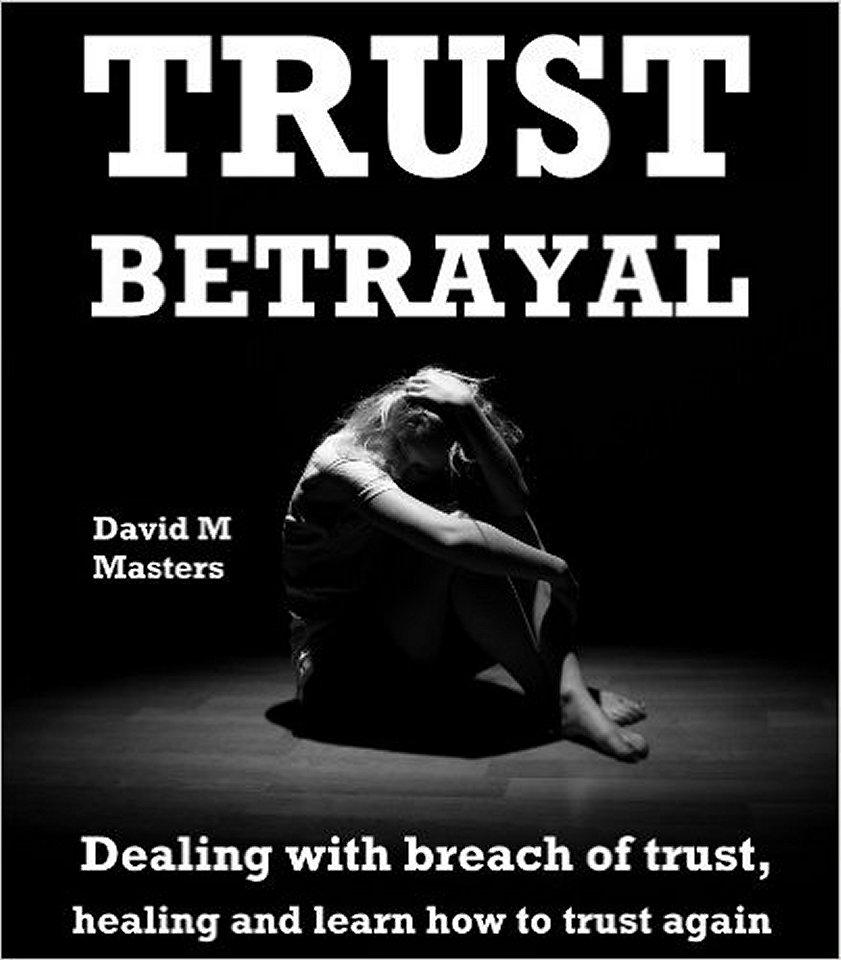

Dealing with Betrayal

You’ve put your trust in someone because you’re an honest, open person. The trust that you felt for this person was at such a high level that you let your guard down, possibly were more transparent than you’ve ever been… and now, you’ve been betrayed. Right now, you can even recall a time when you’ve felt so bad like you’ve been punched in the stomach, had your throat slit, been beaten and thrown into a ditch and left for dead.

Trust-Betrayal-David-M-Masters-dealing-with-breach-of-trust-healing-how-to-trust-again


Betrayal comes in many shapes and sizes, so it’s difficult to discern what to do next, but be aware, when you’ve been stabbed in the back (so to speak) by someone you’ve trusted and you have been betrayed, it is important to get your wits about you, make healthy choices and take appropriate action in an effort to not make things any worse than they are right now.

Friend Betrayal

I was betrayed and I was hurt Im better now stronger than ive ever beenWhen you’ve been betrayed by a friend it cuts deep, especially it was a best friend betrayal, because the closer you are to a person (as in the case of a best friend) the more vulnerable you have been. It’s likely that you’ve shared sensitive information that you entrusted to your best friend and now you’re regretting having opened up so transparently. When your best friend betrays you it’s reasonable to feel a range of emotions including sad, hurt, fear and anger.

When a friend betrays you (any kind of friend) the degree of vulnerability normally adjusts to the relationship’s level of trust accordingly. Your friend could be a co-worker who has regular access to other co-workers and friends complicating things further.

“I can’t believe my friend betrayed me.”

When friends betray you, you can feel as though you need to defend yourself, strike back, flee or withdraw from society altogether. Yet, you should refrain from doing these things, if you can, when you’ve been betrayed by friends.

Family Betrayal

There is no doubt that family betrayal will rock anyone’s world. I mean, if you can’t trust your family who can you trust? Your level of exposure to family members is exponential when compared to friends. Your family knows just about everything about you and could use this information against you.

When family betrays you, hopefully, you have a friend you can trust, or seeking out a coach or counselor to help you keep your head screwed on straight as your family makes you feel as though it’s just you against the world. You need someone in your corner, who can help you empathetically when your family betrays you.

Love and Betrayal

The one person that you have been the most exposed to is your love interest. Your boyfriend/girlfriend, fiancé, husband or wife knows you more intimately than anyone and when you’ve been betrayed by a lover, if you’ve been truly in love with this person, all your emotions will be maximized.

Little hurts worse than being betrayed by someone you’ve opened up to completely and have shared intimacy with. Your heart feels as though it’s been stabbed and left bleeding out as you ponder, “Why?”

How to Deal with Betrayal

When you’re immersed in the pain of betrayal, it’s difficult to think straight. Here’s a simple exercise that you can perform that will release the pain of being betrayed that will help you to approach the betrayal from a logical perspective:

Penny for Your Thoughts

Once you’ve been able to remove the pain, you will find yourself thinking more clearly.

You can find some peace by not thinking of yourself as a victim and realize that the person who has betrayed your trust and faith is not an evil person. In most cases the one who has betrayed you is a victim of life circumstances which has made him or her strike out at others in this way.

Betrayal leaves wounds and scars that made me strongerYou will find that it is not so much about you, as it is the pent up pain and frustration of an individual suffering from low self-esteem, self-loathing and a life of pain which causes them to act out in this manner.

Get Trust Betrayal on Amazon

If you’re an empathetic person, as you begin to realize this, you may be inclined to reach out to the person who has betrayed you in an effort to help him or her. This would be ill-advised, as it is not your job to try to fix this person, and it could be very well that this person is not salvageable. Even if he/she were, your attempts are likely to cause you more undeserved pain and loss.

You’re better off avoiding the excess drama and find ways to move on.

You can find more ways to deal with betrayal in my book: Trust Betrayal.