AI technology has made it easier than ever for scammers to create convincing fake advertising campaigns featuring the likeness of trusted celebrities, professionals, and influencers. These ads often promise incredible value, with products or services that seem too good to be true—and, unfortunately, they usually are. Victims may be tricked into purchasing what appears to be an amazing deal endorsed by a respected personality, only to find they’ve been conned out of their money, their personal information sold, and delivered nothing but disappointment, a cheap knockoff, or nothing.
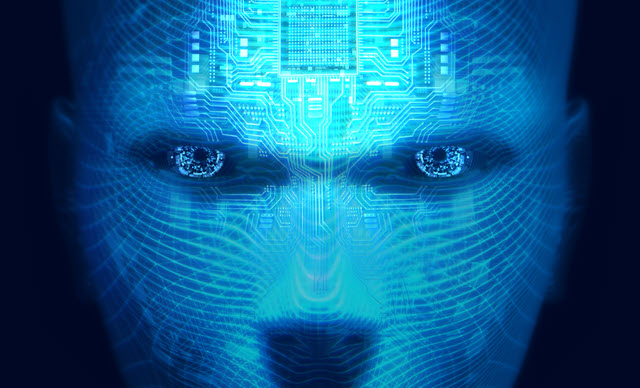
Here are some notable examples of AI-generated scams involving fake endorsements from trusted famous personalities:
1. Dr. Oz
 Dr. Mehmet Oz, a well-known physician and TV personality, has often been falsely used in AI-generated ads for various health supplements. These ads claim that Dr. Oz personally endorses “miracle” weight-loss products, anti-aging creams, or other health-related items. However, many of these claims are entirely fabricated. Dr. Oz has publicly distanced himself from such endorsements, warning his audience to be cautious of scams using his name and image.
2. Oprah Winfrey
 Oprah has repeatedly been the target of AI-generated rip-offs, particularly in ads promoting miracle diet pills, anti-aging treatments, or other health and wellness products. These fake ads often claim that Oprah is endorsing or selling the product herself. In reality, Oprah has never endorsed any of these products, and her team frequently warns her fanbase about falling victim to such scams. Oprah’s global reputation as a trusted personality makes her a prime target for AI-generated endorsements.
3. Barbara O’Neill
 Barbara O’Neill, a health educator and naturopath, has become the subject of fake promotions for natural remedies and health products. Scammers use AI-generated videos and ads featuring her name or likeness to promote questionable products or supplements. Many of these products have no actual connection to O’Neill, including the 150+ books attributed to her on Amazon. However, she has only written two, and her followers are often deceived into purchasing fake books and subpar or fraudulent health products.
4. Elon Musk
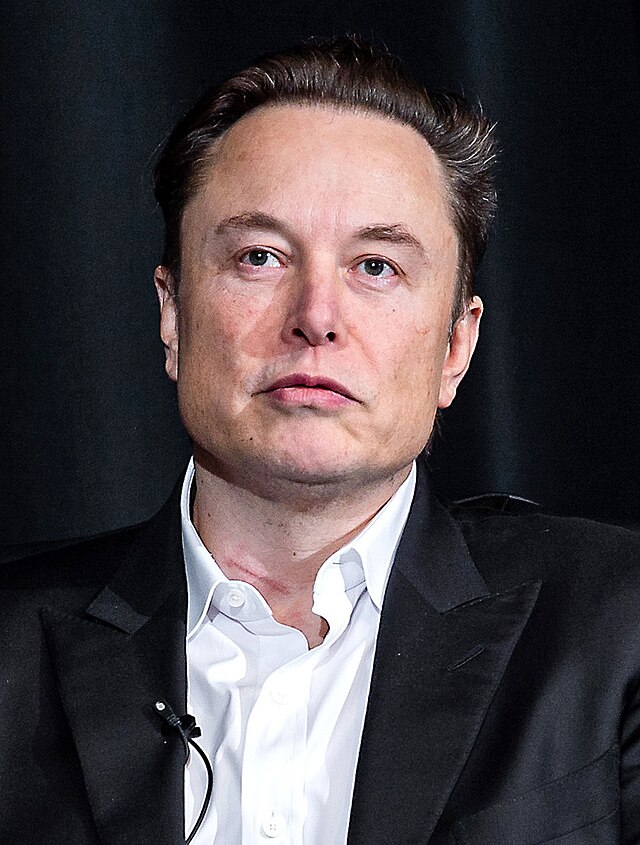 Elon Musk, a highly recognizable figure in the tech and financial worlds, has been a frequent victim of AI scams promoting fake cryptocurrency investment platforms. AI-generated videos and ads falsely claim that Musk endorses or invests in these platforms, promising extraordinary returns. These fraudulent campaigns prey on Musk’s reputation as an innovator, leading unsuspecting users to invest in fake platforms, only to lose their money.
5. Gordon Ramsay
 Celebrity chef Gordon Ramsay has been used in numerous fake AI-generated ads promoting kitchen gadgets and meal delivery services. These scams often involve products like “Ramsay-endorsed” cookware sets or diet meal plans, which he has never actually endorsed. Scammers exploit Ramsay’s name and credibility as a top chef to sell low-quality items.
6. Barbara Corcoran
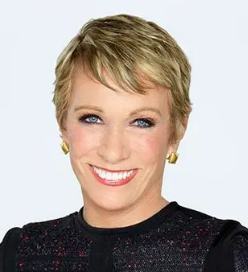 As a business expert on Shark Tank, Barbara Corcoran has been featured in AI-generated scam ads promoting fake investment schemes, often involving real estate or small business funding. The ads falsely claim that Corcoran has endorsed a particular product or investment strategy, leveraging her reputation to convince victims to part with their money.
7. Keanu Reeves
 Keanu Reeves, known for his humble persona, has been featured in various fake AI ads, promoting everything from cryptocurrency platforms to CBD oil products. Scammers use his image to appeal to audiences, particularly exploiting his status as a beloved and trusted actor. Reeves has not endorsed these products, and his name has been used fraudulently in these marketing schemes.
8. Richard Branson
 Richard Branson, the founder of Virgin Group, has been falsely linked to numerous AI-generated scams, particularly in the cryptocurrency and business investment sectors. These fake campaigns often promise large returns and feature AI-generated videos or quotes from Branson despite him having no connection to the products or platforms in question.
9. Barbara Walters
 The late journalist Barbara Walters was another high-profile figure whose name and likeness were fraudulently used in AI-generated ads. Scammers promoted “Barbara Walters-approved” beauty creams and skincare products, claiming that she used these products to maintain her youthful appearance—when, in reality, Walters had no involvement in these campaigns.
10. Mark Cuban
 The billionaire entrepreneur and Shark Tank judge, Mark Cuban, has often been misused in AI-generated investment scams, particularly around cryptocurrency. These fake ads exploit his reputation as a savvy businessman, urging people to invest in fraudulent schemes under the guise of Cuban’s endorsement.
How These AI Scams Work
Scammers use AI to create highly realistic images, videos, or voice clips of well-known figures endorsing products. These fake ads play on the public’s trust in these individuals, making it seem as if your favorite celebrity or expert is personally recommending a product. In reality, the celebrity has no knowledge of the promotion.
-
- Stolen Personal Information
Once you’ve purchased, your credit card details and other personal information are processed. Scammers can then sell this data to other fake AI marketers, exposing you to a greater risk of identity theft or further scams. You may also notice suspicious charges on your card from unrelated vendors. - Low-Quality or Nonexistent Products
Instead of receiving the high-quality product you thought was endorsed by a trusted personality, you might get a cheap imitation—or nothing at all. Worse still, your purchase could result in a flood of unsolicited offers for similar fraudulent products.
- Stolen Personal Information
How to Protect Yourself from AI Scams
-
- Verify the Source
Before clicking on any ad featuring a celebrity endorsement, verify its authenticity. Go to the celebrity or trusted personality’s official website or social media page and look for any legitimate promotions they may be involved with. Often, scammers copy legitimate images, but the links or contact details are fake. - Look for Red Flags
- Too Good to Be True Offers
If the deal seems unbelievably good, that’s your first clue to be cautious. - Spelling or Grammar Mistakes
Scam sites often have poorly written content that doesn’t match the professional standards of real companies. - URL Issues
Check the URL for odd spellings, strange domain names, or subtle differences from the real website.
- Too Good to Be True Offers
- Use a Credit Card, Not a Debit Card
Credit cards offer better fraud protection. Credit card companies are often more responsive in reversing charges if you are scammed. Many have fraud alert services that can catch suspicious transactions before you even realize something is wrong. - Guard Your Personal Information
Avoid giving out your personal information unless you are 100% certain of the legitimacy of the website or service. Be wary of ads that ask for more than the usual personal data, such as Social Security numbers or driver’s license details. - Use Browser Extensions and Antivirus Software
Browser extensions and tools can help identify fraudulent websites. Antivirus programs with web protection features can often flag suspicious pages before you reach them.
- Verify the Source
What to Do If You’ve Been Scammed
-
- Report the Scam
Please report it to the source of the advertisement and file a complaint with the Federal Trade Commission (FTC) or your country’s consumer protection agency. These organizations track scams and may take legal action against the perpetrators. - Contact Your Credit Card Company
If you used a credit card for the purchase, contact your credit card company immediately. Explain the situation, and they may be able to reverse the charge. - Monitor Your Accounts
If scammers have your personal information, you could be at risk for identity theft. Monitor your financial accounts closely for any unusual activity, and consider placing a fraud alert on your credit report. - Stay Alert for Future Scams
Once you’ve been scammed, your information may be passed on to other scammers. Be vigilant and avoid clicking on suspicious links or giving out personal information online.
- Report the Scam
AI-generated scams featuring fake celebrity endorsements are a growing threat in today’s digital landscape. By staying informed, verifying sources, and taking proactive steps to protect your personal information, you can avoid falling victim to these con artists. If you’ve already been scammed, take swift action to protect yourself and prevent further damage. The best defense against scams is skepticism, vigilance, and protecting your data at all costs.