The Success CATechism
Enjoy 9 lives of fun-filled happiness, health, financial freedom, and loving feline-ness by embracing your inner-cat.
Connect with your purr-fect message, mission, and purpose to maximize your cat-tribution to the world.
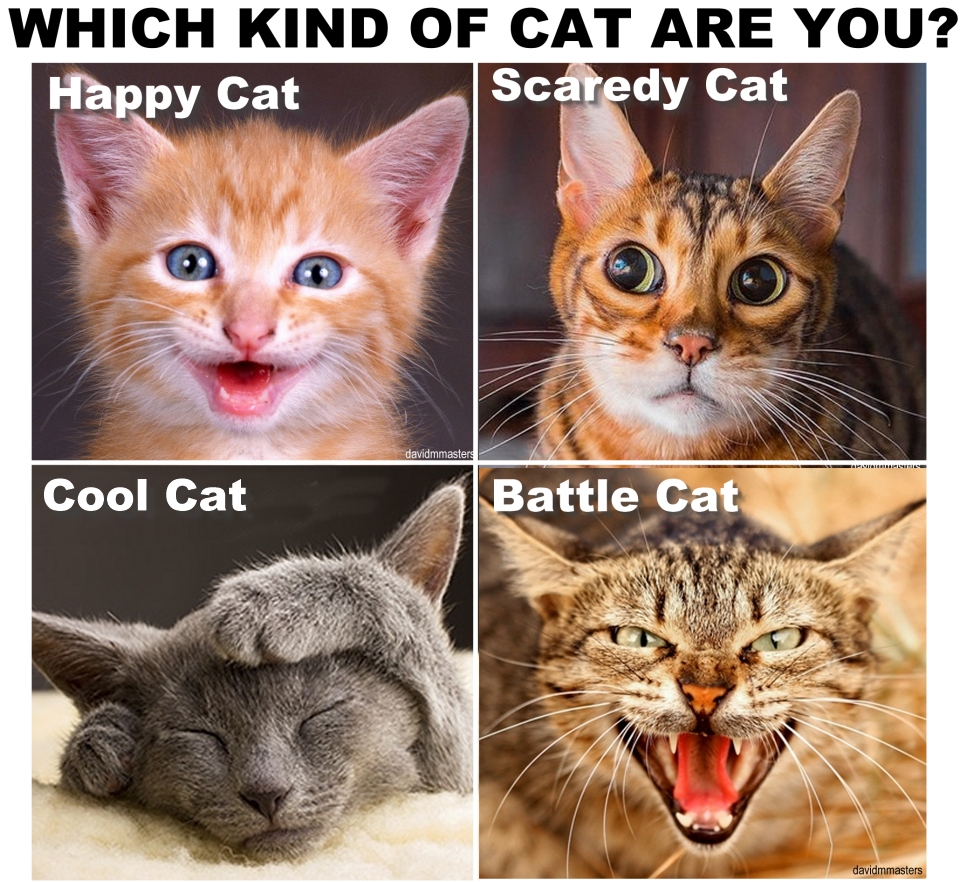
Find out what kind of cat you Are
Take Cat Purr-sonality Profile Test
Here’s a simple personality quiz using the cat personality types. Each question has four possible answers, corresponding to one of the cat purr-sonality types. After answering, you can tally the results to determine the dominant personality type.
1. How do you usually spend your free time?
A) Socializing and having fun with friends or family (Happy Cat)
B) Analyzing situations or working on personal projects alone (Scaredy Cat)
C) Relaxing at home or reading a good book (Cool Cat)
D) Taking charge and planning your next big goal (Battle Cat)
2. What do you do when you encounter a problem?
A) Look for creative and fun ways to solve it (Happy Cat)
B) Think deeply and try to figure out all the details (Scaredy Cat)
C) Stay calm and try to avoid conflict while solving it (Cool Cat)
D) Take action immediately and fix it your way (Battle Cat)
3. How do you feel in a crowd of people?
A) Energized and excited, you love being around people (Happy Cat)
B) Uncomfortable and prefer smaller, familiar groups (Scaredy Cat)
C) Calm but prefer to observe rather than interact (Cool Cat)
D) Motivated to lead and organize the group (Battle Cat)
4. How would your friends describe you?
A) Outgoing and the life of the party (Happy Cat)
B) Thoughtful and a bit reserved (Scaredy Cat)
C) Laid-back and easygoing (Cool Cat)
D) Ambitious and a natural leader (Battle Cat)
5. When faced with a new project or task, how do you react?
A) Jump in with enthusiasm and creativity (Happy Cat)
B) Overthink it, wanting to perfect every detail (Scaredy Cat)
C) Take a relaxed approach and work at your own pace (Cool Cat)
D) Take charge and direct others to get it done efficiently (Battle Cat)
6. How do you handle stress?
A) Distract yourself with fun activities or friends (Happy Cat)
B) Worry and overanalyze everything (Scaredy Cat)
C) Retreat to a quiet place to relax (Cool Cat)
D) Face it head-on and take control of the situation (Battle Cat)
Scoring Method:
- Tally the number of answers corresponding to each cat type:
- A = Happy Cat
- B = Scaredy Cat
- C = Cool Cat
- D = Battle Cat
The cat type with the most answers is your dominant personality type. If you have a tie between two or more types, it suggests you may be a cross-breed of those cat types.
Are you a
 Happy Cat
The happy cat is also known as the life of the party cat. Happy cats are gregarious, fun-loving, and interactive, likely lifting the spirits of and encouraging other cats to lighten up and not take cat life so seriously. They are extroverts, talkers, and optimists. These charismatic cats are highly creative, out-of-the-box thinkers who can adapt to any environmental setting, finding it easy to blend in. They are less likely to finish what they started, as they don’t like to be burdened with mundane or enjoyable details.
Happy cats are naturally expressive emotionally and non-assertive talkers and storytellers. They have a good sense of humor, a memory for color, and are enthusiastic.
On the happy cat’s dark side, they talk compulsively, are likely to interrupt, and are prone to exaggeration and elaboration. They are obsessed with trivia, can’t remember names, and can be intimidating (their enthusiasm and boldness can frighten some people).
Happy cats make good performers, promoters, composers, salespeople, actors, speakers, masters of ceremonies, politicians, and clergy. They can also make good healthcare workers with their excellent bedside manner.
Some well-known happy cats include Robin Williams, Elvis Presley, Elizabeth Taylor, “Magic” Johnson, Madonna, Ernest Hemingway, Mel Brooks, Barbra Streisand, Clint Eastwood and Michael Jordan.
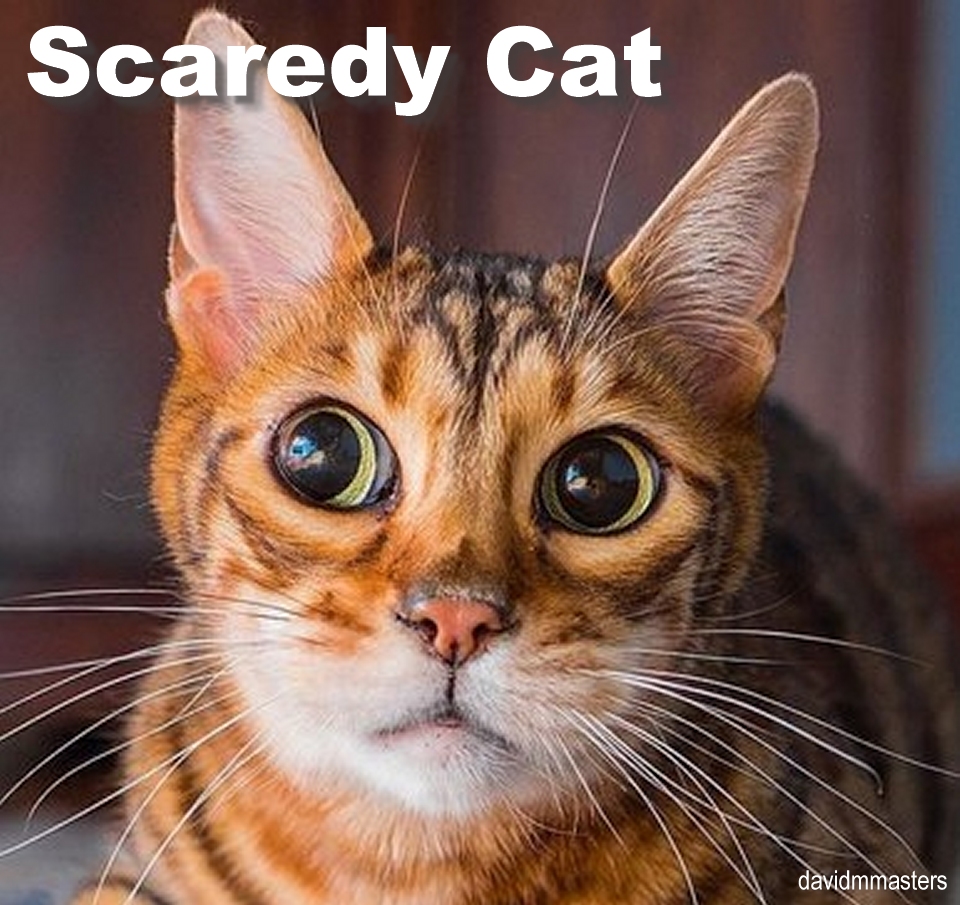
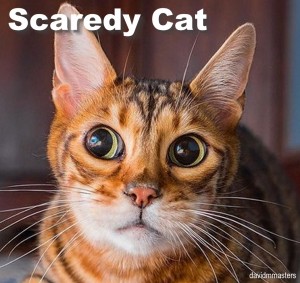 Scaredy Cat
While the scaredy cat might appear to be more introverted or timid (don’t let their timid exterior fool you; underneath is a fierce and courageous defender and protector) than other cats, this cat is likely to put the needs of other cats above their own, willing to sacrifice their own needs, wants or desires, for a sense of doing the right thing for the right reason to the benefit of someone else or the community at large. The scaredy cat is pessimistic, thinks a lot, is prone to suspicion, is very analytical, often attempts to reduce shades of gray into black and white, and can be somewhat of a perfectionist.
They are deep, thoughtful, genius, talented, creative, artistic, musically inclined, philosophical, and poetic. They appreciate beauty and acknowledge the positive attributes of others.
Scaredy cats make great artists, musicians, philosophers, educators, scientists, engineers, inspectors, and theologians. Due to their attention to detail, scaredy cats are proficient (trade and artistic) craftspeople.
Their dark side includes remembering the negatives, moody, and depressed. They enjoy being hurt, possess false humility, and low self-image.
Not very adept at communicating emotionally with other cats and non-assertive
You will find scardy cats in professions such as artists, musicians, inventors, philosophers, doctors, and nurses.
Some well-known scaredy cats include Marilyn Monroe, Michael J. Fox, John Travolta, Ernest Hemingway, Vincent Van Gogh, Beethoven, Warren Buffet, J. P. Morgan, Princess Diana and Mother Teresa.
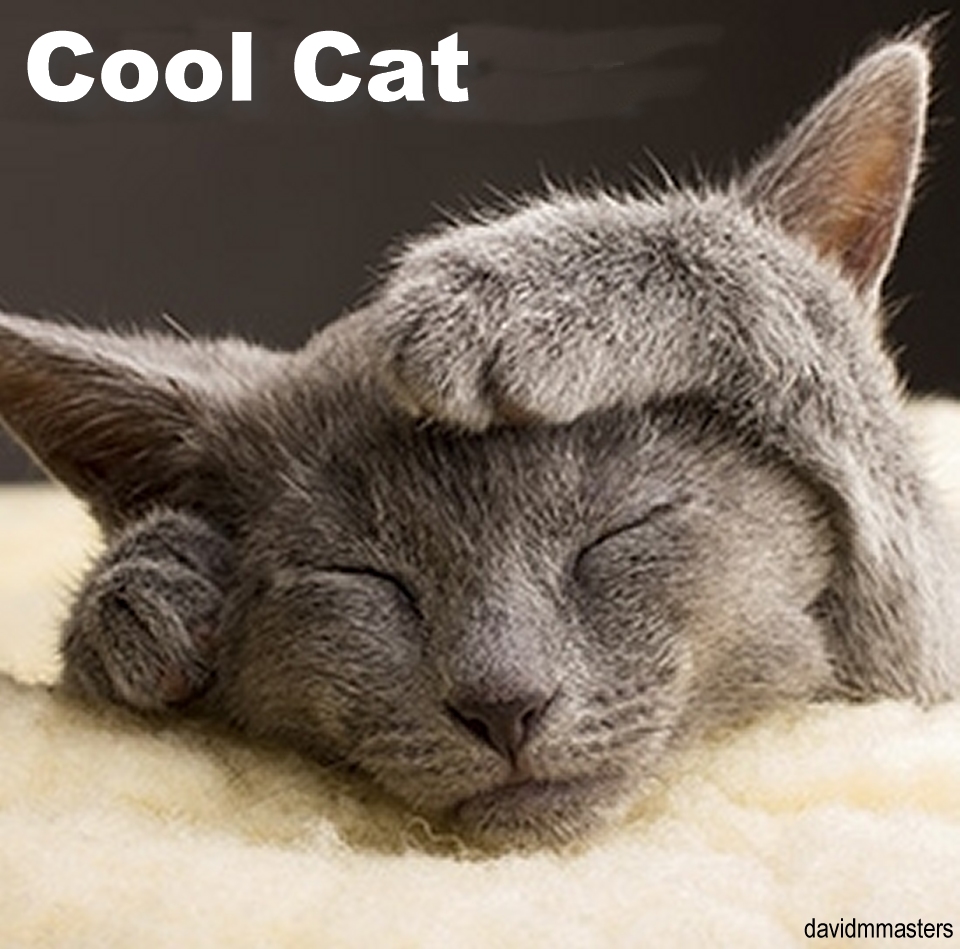
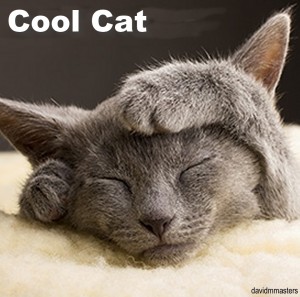 Cool Cat
Cool cats are mild-mannered, introspective felines that are the helpers that take up the caregiving and nurturing of the larger population of cats. They are the respected leaders of the gentler persuasion who enjoy their private time at home and are prolific researchers and readers. While maintaining various interests, cool cats are experts in relaxation techniques and form long-lasting relationships with other cats. Excellent at “duck and cover.”
Cool cats are introverts, observers, and pessimists. Low-key personalities, easy-going and relaxed, calm, cool, and collected. They are ordinarily well-balanced, have a consistent life, quiet but witty,
Cool cats are well suited for careers in counseling, healing arts, institutional administration, accountant, statistician, teachers, technicians, civil service, diplomats, military and local government. Cool cats are good educators for primary education and high school and college educators.
Cool cats are naturally expressive emotionally when pushed or under pressure and more apt to be assertive. On their dark side, they are unenthusiastic, fearful and worried, indecisive, avoid responsibility, selfish, too shy, and too compromising.
Some well-known cool cats include Keanu Reeves, Audrey Hepburn, J.K. Rowling, Johnny Depp, Issac Asimov, Ayn Rand, Walt Disney, Bill Gates, Steve Wozniak and Nikola Tesla.
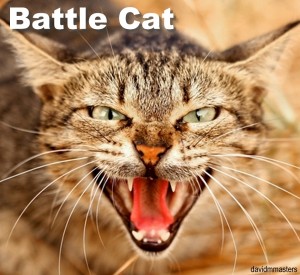 Battle Cat
The battle cat is most comfortable running the show. The battle cat is more egocentric and adept at leading with authority, though maintaining a ” my way or the highway” form of management. These are ambitious cats and foster productive work environments. Battle cats are capable of maintaining high levels of energy and passion over long periods of time, being quite relentless. Following a battle (figuratively), the battle cat will likely be the last cat standing.
They are extroverts, doers, optimists, world leaders, producers, and builders. They’re born dynamic and active leaders with a compulsive need for change and a feeling of compulsion to correct wrongs. They are strong-willed and decisive, and they may also be considered unemotional.
The battle cat’s dark side consists of traits such as being egotistical, bossy, impatient, quick-tempered, and unable to relax. They enjoy controversy and won’t give up even if they’re losing.
Battle cats will find themselves most comfortable in professions such as inventor, architect, supervisor, contractor, entrepreneur, and military (or paramilitary) leadership. Since battle cats are often less concerned with being restricted by morals, they may make good dictators or gangsters.
Not very adept at communicating emotionally with other cats and very assertive
Some well-known battle cats include Oprah Winfrey, Tom Cruise, Jane Fonda, Shirley MacLaine, Alec Baldwin, Dr. Phil, Nancy Grace, Margaret Thatcher, Donald Trump and Judge Judy.
Your Cat-a-list
The most successful teams and organizations comprise a wide-reaching cat-a-list or catalog representing all kinds of cats. Knowing what kind of cat you are will help you find other cats to support you on the way to massive effectiveness and the life you have always dreamed of.
Many cats are cross-breeds of two or more cat types, and that’s okay, though you will probably find that you have one dominant cat type.
Don’t try to be all the cats at once (battle cats often do this out of frustration, saying something like, “Aw, just forget it; I’ll do it myself!”). You will find your journey more enjoyable being the kind of cat you are and making partnerships with other cats with tendencies that do not come naturally to you.
Don’t let your nine lives end in cat-astrophe.
Embrace your inner cat and start putting yourself in situations where your true cat purr-personality shines through in all its cataclysmic glory.
Don’t wait another minute; take action, meow!
Inspirational Credit: Hippocrates’ cat (415 BC)