There is a quiet power in transparency. Not the performative kind or the curated vulnerability designed for applause, but the kind that begins in the mirror, when you are willing to see what is actually there. Transparent living is not about exposing yourself to the world. It is about removing the distortions between who you are and who you present yourself to be. It is about alignment, and alignment is the birthplace of growth.
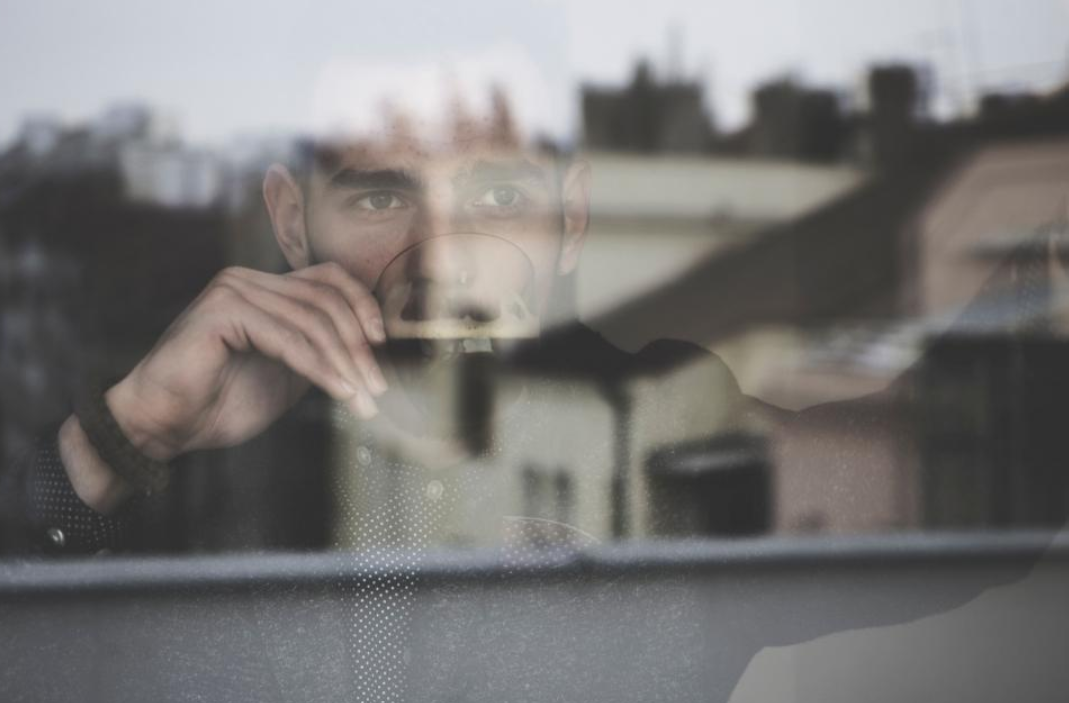
Transparency Is an Inner Discipline
Most people think of honesty as something outward. “Tell the truth.” “Don’t lie.” “Be authentic.” but transparent living begins much deeper than speech.
It begins with:
- Emotional honesty
- Motivational honesty
- Financial honesty
- Relational honesty
- Spiritual honesty
It begins when you ask yourself:
- Why did I really say that?
- Why did that comment trigger me?
- Why am I holding onto this resentment?
- What am I afraid would happen if people saw the real me?
Growth accelerates the moment you stop negotiating with your own awareness. Transparency is not self-condemnation. It is self-illumination.
The Courage of Vulnerability
Vulnerability is not weakness. It is structural integrity.
When you are willing to admit:
- “I don’t know.”
- “I was wrong.”
- “I’m scared.”
- “I need help.”
You create psychological spaciousness. Defensiveness contracts growth, and vulnerability expands it.
In my work as a coach and guide, I’ve seen this repeatedly: The breakthrough does not happen when someone becomes stronger. It happens when they become honest.
Radical authenticity removes the friction between your internal world and your external behavior. When that friction dissolves, energy is freed. And that energy fuels transformation, or more precisely, revelation.
Radical Authenticity Is Not Rebellion
There is a misunderstanding about authenticity.
Some believe it means:
- Saying whatever you think
- Refusing feedback
- Rejecting structure
- Disregarding impact
That is not authenticity.
That is immaturity disguised as courage.
Authenticity is refined awareness. It is knowing who you are, what you value, and how you wish to move through the world, and then living in accordance with that, even when it costs you approval. It is not loud or dramatic; it is steady.
The most powerful people I know are transparent, not because they overshare, but because they have nothing to hide.
Transparency as a Catalyst for Growth
When you live transparently, you learn, repair, and evolve faster. Why? Because you stop wasting energy maintaining illusions.
Consider how much energy is spent:
- Protecting image
- Justifying mistakes
- Blaming others
- Concealing insecurity
- Managing impressions
That is energy diverted from growth. Transparent living collapses delay. You see it, own it, and you adjust.
There is no shame in being a work in progress. There is only stagnation in pretending you are not.
Honesty in Relationships
Transparent living reshapes relationships at every level.
In partnership, it looks like:
- Naming needs before resentment builds
- Acknowledging attraction without betrayal
- Discussing fears before they metastasize into distance
In business, it looks like:
- Clear expectations
- Clean agreements
- Financial integrity
- Direct communication
In leadership, it looks like:
- Admitting uncertainty
- Taking responsibility publicly
- Listening without defensiveness
Transparency builds trust because it reduces ambiguity, and trust is the oxygen of all meaningful human connections.
The Spiritual Dimension of Transparency
Transparency is also spiritual maturity. It is the willingness to allow what is essential within you to become visible. Not performative righteousness or spiritual superiority, just congruence.
In transfiguration work, which is less about changing who you are and more about revealing who you have always been, transparency is foundational. Nothing new is added. Nothing sacred is replaced. What was obscured becomes visible.
And what obscures us most often?
- Fear
- Shame
- Image management
- Unresolved wounds
- Cultural conditioning
Transparent living dissolves these layers. Not violently, but steadily.
The Cost — and the Reward
Let’s be honest. Transparency has a cost.
Some people prefer the version of you that is easier to categorize. Some benefit from your silence. Some are threatened by your clarity.
You may lose approval. You may lose alliances built on illusion.
But what you gain is immeasurable:
- Self-respect
- Emotional freedom
- Energetic coherence
- Deeper relationships
- Faster growth
And perhaps most importantly: peace.
There is nothing more exhausting than maintaining a persona or more liberating than being internally aligned.
The Practice of Transparent Living
If you want to begin, start here:
- Notice where you soften the truth.
- Notice where you exaggerate to gain approval.
- Notice where you hide discomfort.
- Notice where you blame instead of own.
- Notice where you say “fine” when you are not fine.
Awareness without judgment.
Transparency is not brutality; it is clarity with compassion.
Transparent living is not about being perfect; it is about being permeable to growth.
When you live honestly, you become teachable. When you become teachable, you evolve. When you evolve, you inspire others to do the same.
Vulnerability is the doorway. Honesty is the path. Authenticity is the lifestyle.
And growth?
Growth is simply what happens when nothing false is left to defend.
Live clearly.
Live honestly.
Live without distortion.
That is the art, and it changes everything.
