Heart-led Acceptance and Transforming Relationships in Peace

Preparation for life’s challenges begins with a shift in mindset. Instead of resisting situations that have caused irritation or suffering, affirming readiness can transform your experience. Consider this affirmation:

“I am ready to experience what I previously resisted—in this case, my partner not showing me more loving care and attention.”

This acceptance brings peace, breaking the cycle of suffering. As you cultivate happiness and contentment within yourself, the energy you project naturally draws others closer. Improved relationships often follow as positivity inspires connection and mutual understanding.

Releasing Resentments with Byron Katie’s Method

Byron Katie’s method, as described in Loving What Is, provides a powerful framework for letting go of resentments. Her four-question process offers a psychotherapeutic way to:

    1. Identify a troubling thought.
      Example: “My partner doesn’t care enough about me.”
    2. Ask the following questions:
      • Is it true?
      • Can you absolutely know it’s true?
      • How do you react when you believe that thought?
      • Who would you be without that thought?
    3. Shift the thought.
      Transform “My partner doesn’t care enough about me” to “I don’t care enough about myself” or “I don’t show enough care toward my partner.”

This reframing reveals new perspectives, helping you dissolve emotional pain and find peace. Practicing this method consistently can shift your relationship with yourself and others.

When Deeper Patterns Persist: The Role of Kinesiology

While emotional work is transformative, deeper patterns may require additional exploration. Subconscious beliefs often drive persistent issues. This is where kinesiology, through muscle testing, becomes invaluable.

Kinesiology accesses the subconscious mind to uncover hidden stressors, patterns, or beliefs contributing to emotional and physical challenges. Once identified, specific exercises or remedies can help restore balance.

For instance:

    • Persistent anxiety might stem from unresolved childhood fears.
    • Physical symptoms, like chronic pain, may link to emotional suppression.

By addressing these root causes, kinesiology facilitates profound healing.

Holistic Healing: Integrating Mind and Body

Kinesiology is particularly effective as part of a holistic approach to healing. Many physical ailments have emotional or stress-related origins. For example:

    • Chronic back pain might arise from dehydration, limiting beliefs, or financial stress.
    • Digestive issues could reflect an inability to “digest” emotional turmoil.

By identifying these stressors, kinesiology complements therapies like homeopathy, osteopathy, and acupuncture, creating a comprehensive treatment plan.

This integration of mind and body promotes true well-being, targeting both symptoms and their underlying causes.

The Importance of Emotional Healing

At the heart of any healing process is the need to release what is making us unwell. Emotional wounds such as anger, resentment, or guilt often manifest as physical or mental ailments. Addressing these factors through psychotherapy, kinesiology, or other modalities is essential for recovery.

    • Unresolved anger can lead to hypertension or chronic tension.
    • Prolonged resentment may manifest as digestive issues or immune dysfunction.

Letting go of emotional baggage clears the way for healing and growth.

Psychotherapy’s Role in Emotional Health

Psychotherapy is a versatile tool for addressing emotional health. It’s not solely for severe mental illness—it benefits anyone seeking growth and clarity. Its value extends beyond the emotional realm: studies show psychotherapy can enhance physical health outcomes, such as recovery from surgery.

Psychotherapy helps to:

    • Uncover and resolve past traumas.
    • Reframe negative thought patterns.
    • Build resilience in the face of life’s challenges.

For those seeking balance, psychotherapy complements holistic approaches, fostering a deeper connection between mind and body.

Cultivating Peace and Healing

Acceptance, emotional healing, and holistic tools like kinesiology offer profound pathways to well-being. By embracing challenges with readiness and releasing what no longer serves us, we free ourselves from cycles of suffering.

Tools like Byron Katie’s method, kinesiology, and psychotherapy guide us toward deeper understanding, peace, and transformation. As we heal and cultivate contentment, our relationships and lives reflect this newfound harmony.

Healing begins with a single step: accepting what is and choosing to grow.
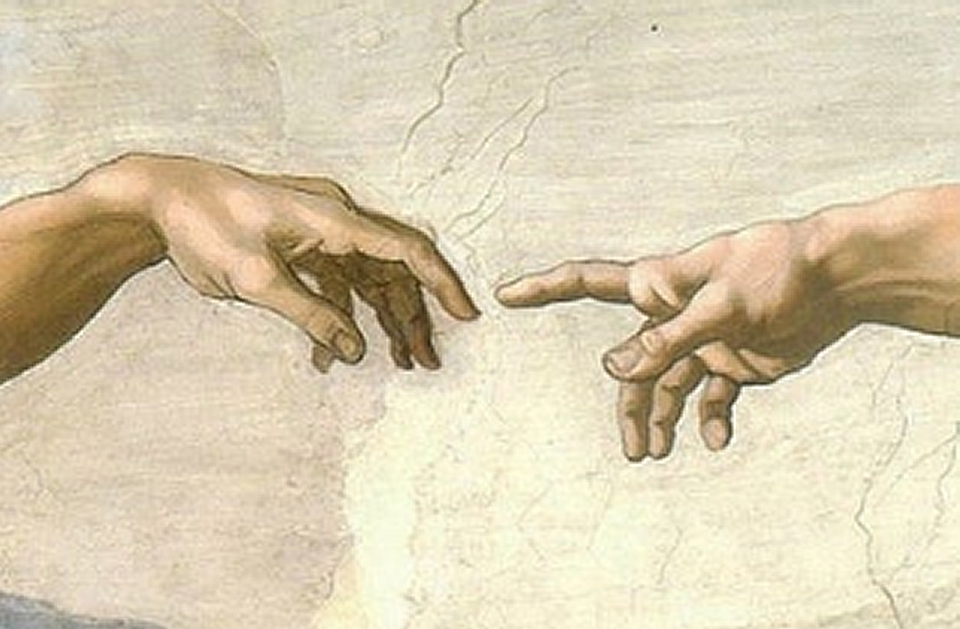
God’s Design for Clarity: Restoring the Pineal Gland to Health

There’s a small part of the brain that God placed deep within each of us, a gift, intentionally created to help us rest, restore, and discern clearly. It’s called the pineal gland, and it’s one of the most important parts of the body that few people are ever taught about. The pineal gland plays a vital role in how we sleep, how we think, how we process the world, and even how we hear from God more clearly. It regulates the production of melatonin, a hormone that affects our sleep, healing, and mood. It also helps the brain cleanse itself during rest and keeps our internal clock in tune with the natural rhythm God wrote into creation, day and night, work and Sabbath, light and darkness.

But today, this tiny gland is under attack, not by accident, but by environmental exposure and lifestyle choices that unknowingly damage it. And when the pineal gland becomes unhealthy or calcified, our sleep suffers, our thinking clouds, and our spiritual sensitivity fades.

“The light of the body is the eye: if therefore thine eye be single, thy whole body shall be full of light.”— Matthew 6:22

But here’s the good news:
God built your body to heal.
And the pineal gland can be restored.

What’s Going Wrong?

Modern science, including studies in JAMA Neurology, Nature, and Frontiers in Neuroscience, now confirms that a damaged or calcified pineal gland is directly linked to:

    • Early Alzheimer’s and Parkinson’s
    • Cognitive decline and memory loss
    • Insomnia and poor sleep quality
    • Low melatonin and increased stress
    • Disrupted ability to rest, pray, reflect, and feel grounded

Why is this happening?

The pineal gland is situated outside the blood-brain barrier, making it more vulnerable than any other part of the brain. It acts like a magnet for environmental toxins, especially fluoride, aluminum, and excess calcium, found in many water supplies, processed foods, and even some medications.

Over time, these substances harden the pineal gland, like scale building up in a pipe. The result? Less function, less clarity, and a harder time hearing the still, small voice of God.

But the breakthrough?
This damage can be reversed.

God’s Blueprint for Restoration

Over 90% of pineal calcification may respond to intentional care and restoration. This isn’t wishful thinking, it’s confirmed by measurable, peer-reviewed science. And more importantly, it aligns with how God designed the body: to cleanse, reset, and renew when given what it needs.

Here are some ways you can help your pineal gland heal:

  1. Detox Your Inputs
    • Switch to fluoride-free toothpaste and drink purified, fluoride-free water
    • Add natural chelators like boron, iodine, and magnesium through food or supplements
    • Include detoxifying foods like cilantro, garlic, and leafy greens
  1. Get Back to God’s Rhythm
    • Sunlight exposure, especially in the morning, helps reset your circadian rhythm
    • Limit artificial light at night, especially screens
    • Go to bed and rise on a regular schedule that honors rest as God commands
  1. Support Natural Brain Health
    • Try cold showers, breathwork, or prayer walks to support circulation and oxygen flow
    • Use soft background worship music or healing frequencies (like 432 Hz or 963 Hz) to create a peaceful, restorative environment
    • Create space for quiet reflection and prayer, which helps the brain recalibrate and refocus
  1. Watch What You Allow In
    • Avoid toxic additives and processed foods
    • Be mindful of what you watch, listen to, and consume; your mind is sacred ground
    • Build daily habits that renew your mind, as Paul writes in Romans 12:2

More Than Sleep — It’s About Spiritual Clarity

This is not just about improving your sleep. This is about your God-given ability to think clearly, discern rightly, and walk in peace.

When your pineal gland is clear and functioning, you may notice:

    • Better sleep and deeper rest
    • Sharper thinking and memory
    • Calmer moods and less anxiety
    • Stronger sense of connection to God and others

Jesus referenced the “single eye” not as mysticism, but as a call to clarity, focus, and truth. When our inner world is aligned with God’s design, we’re not filled with fear or confusion — we’re filled with light.

A Call to Stewardship

Your body is a temple. That includes your mind, your thoughts, and yes ,  your pineal gland. If this message speaks to you, then take the first steps to clear what’s been clouded. Don’t wait for a medical diagnosis to confirm what your spirit already senses: something’s been off.

You were made for clarity.
You were made for restoration.
And your Creator gave you the blueprint.

Let’s return to that blueprint together.

David M Masters

Continue:

God’s Design for Clarity: Restoring the Pineal Gland to Health Part 2