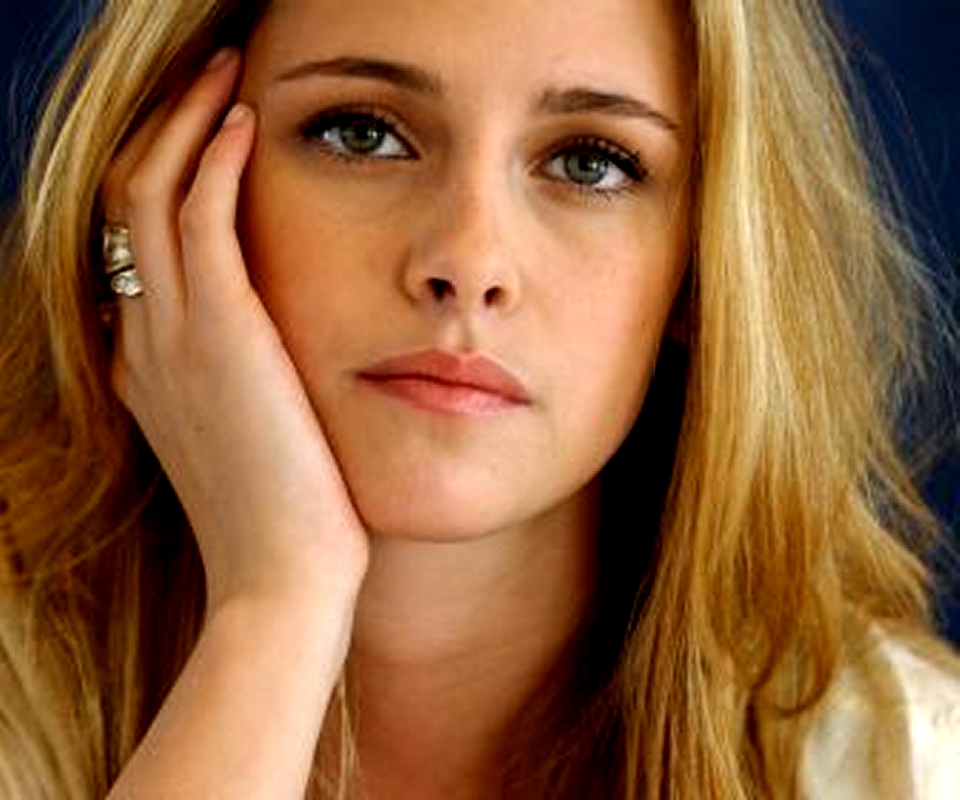
The Quiet Loneliness of Strong People, Whom No One Checks On

There is a kind of loneliness that doesn’t look like loneliness. It doesn’t announce itself, ask for help, or break down in obvious ways. It shows up in the lives of strong people. Those who are capable, the ones who handle things, and whom others lean on without hesitation. They are often admired, respected, and even relied upon, yet rarely checked on.

Why Strong People Are Often Overlooked

Strong people give off a certain signal. They seem steady, composed, and seem like they’ve got it handled, so others assume they’re fine. Not because they don’t care, but because strength is often misread as invulnerability. Capability gets mistaken for capacity. Reliability gets mistaken for endless reserves, and slowly, quietly, the strong ones become invisible in their own struggles.

Strength is often mistaken for invulnerability.

Most strong people didn’t choose strength as a personality trait; they learned it. They learned it because someone had to be steady. Because chaos didn’t leave room for collapse, and showing emotion felt unsafe, inconvenient, or unhelpful, so they adapted.

They became the listener, the fixer, the calm presence in the room, and over time, they learned an unspoken rule:

Don’t burden others. Don’t make it about you.

That rule may have kept things functioning, but it often came at a cost.

What Loneliness Looks Like When You’re the Strong One

This kind of loneliness isn’t loud. It looks like being surrounded by people, yet rarely asked how you’re really doing. It feels like always being the one others turn to, while having no one to turn to yourself, and shows up as exhaustion that rest doesn’t quite fix.

Strong people often feel grateful, and tired at the same time. Grateful to be trusted, tired of always being the container, and because they’re good at holding things together, their quiet need for care often goes unnoticed.

Strength Doesn’t Eliminate the Need for Support

Strength does not cancel the human need for connection. Being capable doesn’t mean being self-sustaining. Being resilient doesn’t mean being unaffected, and being dependable doesn’t mean being unbreakable.

Capability is not the same as capacity.

Strong people still need to be seen, need to be asked, and need space where they don’t have to perform competence. And when that space is missing, loneliness settles in… quietly, patiently, without drama.

Why Strong People Rarely Ask for Help

Not because they don’t need it, but because they don’t want to disappoint expectations. They don’t want to reverse roles. They’ve learned that asking feels like weakness, even when it isn’t.

Many strong people worry that if they stop being strong, everything will fall apart. So they keep going, keep showing up, carrying more than anyone realizes, and the loneliness deepens… not from lack of people, but from lack of reciprocity.

Strong people don’t need rescuing.
They need to be seen.

What Changes When Strong People Are Finally Seen

Something remarkable happens when a strong person is genuinely checked on; not casually or politely, but sincerely.

When someone asks (and actually means it) the armor can soften. The load can shift and the nervous system can finally exhale.

Strong people don’t need to be rescued; they need permission to be human.

A Quiet Invitation

If you are the strong one, this is not a call to harden. It’s an invitation to let yourself be known, even a little, by someone safe. To allow support without explaining or justifying it. To remember that strength includes discernment, not self-denial.

And if you know a strong person, check on them. Not because they’re failing, but because they matter.

The strongest people in the room are often the loneliest, not because they are distant, but because they are dependable, and in that moment when someone finally sees them, not for what they do but for who they are, something essential begins to heal.

Strength doesn’t mean standing alone.

Sometimes, it means letting someone stand with you.
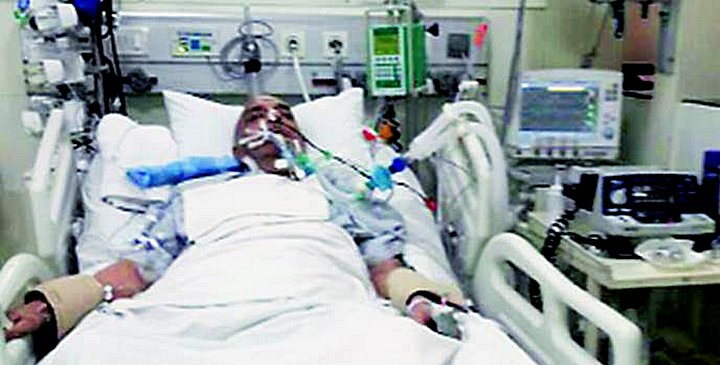
 

Suppressed Emotions Kill

When you bottle up your emotions, push them down, cover them up, and insist on just going on through life ignoring your feelings and living a life of emotional denial, you are committing murder. You are committing suicide because suppressed emotions kill you.

It’s a socially acceptable manner of suicide, not as blatant or open as hanging yourself, taking a bottle of pills, or as dramatic as throwing yourself off a bridge or blowing your brains out, but your suppressed emotions are killing you.

In his groundbreaking work, Bernie Siegel in Love, Medicine and Miracles: Lessons Learned about Self-Healing from a Surgeon’s Experience with Exceptional Patients, implicitly defines the number one cause of disease and premature death from medical maladies is pent-up emotions.

If caught early enough to reverse the effects of a lifetime of suppressed emotions, the patient who finds healthy ways to express himself or herself, live a better life, and find happiness, become the most exceptional patients, experiencing full reversal or remission of their condition and fatal prognosis.

Most people on Mother Nature’s death row have put themselves there by not wanting to rock the boat, express their feelings, or being proactive in looking after themselves. They accept their lot in life as being in service to others, selflessly, without any regard for looking after themselves.

If you don’t look after yourself, who will?

I pray you are ready to receive this. If you are not, there is no judgment here. After all, we’re all doing the best we can with what we have. If your heart and mind are open, consider this:

If you are living a life with health challenges, consider who you are putting first in your life. If you are not putting your own health, wellness, and happiness first, and not expressing all the emotions you keep hidden away, the things that make you sad, angry, hurt, disrespected, or unworthy, your illness(es) is of your own making.

\This includes all disease (which could be redefined as “dis-ease”). If you’re not happy, your body is not happy, and your immune system disregards your body just as much as you do. If you will not stand up and fight for you, neither will your body, and you will fall victim to disease and premature death. But you will die a hero.

Friends, family, and society will put you on a pedestal after you’ve died and tell stories about how you selflessly served others, even as your own body was suffering in decay. (Even though you may have silently wished for death to come knocking, just so you could get some peace.)

Or, you could become an exceptional patient. You could find the keys to the life you’ve always wanted and deserved, even though you may have denied yourself access to it in the past. You could uncover your unique, purpose, message, passion, and/or mission and start living a better life, your best life, and make the world a better place.

You can enjoy all the good things this life has been holding for you, just waiting for you to reach out for it, including all the love and happiness you’ve ever dreamed of.

But don’t believe me. Don’t believe Bernie Siegel, or anyone else. If you decide to change your life, while there is still time, and live the life that is your birthright, only you can do this thing. Only you can make the transformation from sickness to massively thriving by choosing to become an exceptional patient.

Every day, someone who stood at death’s door awakens and starts to live life with openness, honesty, self-love with ebullient vitality and energy, staving off any self-imposed death sentence, achieving their highest and best.

Let it be you.

You can live a better life, your best life, and make the world a better place.

Today, let it be you.

How Do You Feel About Things?

How you feel about things in life greatly influences your general state of mind. For the most part, how you feel about things dictates what kind of life you will live, how healthy you will be and how long you will live. Mental and physiological health is keenly attuned to how you feel. The people who have control of how they feel about things, maintaining a more positive outlook, experience a more stable emotional vibration allowing them to have more happiness, good health, love and longevity.

If you are actively taking responsibility for living a better life, you are looking at your mind/body/spirit dynamics and taking care to optimize your life and lifestyle. You’re more conscious about what your relationship with your body is like and you’re more attentive of the food you eat, maybe you’re exercising more, spending more time with Mother Nature, you are taking a more proactive approach to how you conduct your life, but are you making the effort to control how you feel?

A healthy holistic lifestyle includes influencing, taking more personal responsibility and being conscious about your intellectual and social health, physical health and the health of your emotional state. How you feel about things, your emotional state, greatly influences the health of all the other areas of your life.

Life brings you a great deal of opportunities to negatively influence how you feel about things. There are our familial and social relationships and interactions with other people with whom we do not maintain a relationship as life goes on all around us. Other opportunities to affect how you feel include your vocation, finances, your health status, concern about your community, and the world at large.

If you are to get a grip on how you feel about things that are presenting themselves to your awareness, you are more proactive about taking responsibility for what you are exposed to, if you are able.

The amount of stress you are exposed to can have a huge impact on how you feel, so managing stress is a key component in feeling better about life in general. Stress reduction should be of primary concern for establishing a better emotional state and by exposing yourself to fewer stressful situations, you will feel so much better about what life presents to you.

Many techniques are readily available to reduce, manage, or eliminate stress which is felt physiologically including meditation, breathing exercises, positive affirmations and visualization. Only you can determine what best suits your personal taste and resonates with you.

Eliminate media exposure to things that make you feel bad about life, the government or your safety. Most media comes packaged with an infectious negative vibration which affects how you feel about things. Consider turning off the TV, avoiding negative news and Internet feeds, by taking a media hiatus.

Guarding your thoughts to prevent you from focusing on things that are negative will go a long way in feeling better about life. Avoid negative self-talk, which leads to poor self esteem and diminishes confidence, making you feel helpless, if not hopeless, about your life.

Start reprogramming your mind positively. Get into a routine of reciting positive affirmations, and honoring yourself by speaking words of kindness and love about you, who you are, how blessed you are, and how your life may be a blessing to others. As you retrain your mind to think more positively, you will feel better and your physiological health will also get much better. It is a fact of life.

Learning how to let go of negative emotions, like uncertainty, sadness or anger, is hugely beneficial because if you hold these feelings inside they deplete your immune system and you become more susceptible to failing health and disease.

Finding a confidant who you can trust and talk to, as well as writing out in a journal how you feel about things negatively in the past as well as in the present, or even things that may be looming in the future, can be an effective key to releasing pent up negative emotions.

These practices in self-care will make you feel better about living a better life:

  • Engage in stress reduction techniques
  • Eat food that nourishes your body and exercise
  • Wind down and calm yourself for a good night’s sleep every night
  • Limit or eliminate exposure to negative news and media
  • Don’t put off dealing with issues you face in life
  • Practice positive and loving self-talk
  • Do something fun, that you like, every day

And forgive yourself for everything, for after all, you are doing the best you can with what you have.