All NEWS Is Bad News: Why a Media Cleanse Might Save Your Soul

You’ve heard it before: “I don’t watch the mainstream media.” And yet, so many of the same people proudly announce they get their “truth” from alternative sources. But here’s the hard truth: it’s all still news. And all NEWS carries vibration. Whether it’s broadcast through corporate media, whispered through a so-called “insider channel,” or delivered by a fiery alternative influencer on social media, it’s still designed to do one thing, disrupt your peace.

Let’s have a little fun with this. If we reframe the word NEWS, maybe it looks something like this:

N.E.W.S. – Negative Energy Working Subversively.

Because that’s exactly what it does. It sneaks in under the radar, stirs up your emotions, and fractures your sense of calm. You think you’re staying informed, but what’s really happening is that your attention is being hijacked.

Your energy field, that invisible but powerful sphere of thought, emotion, and vibration around you, is disrupted every time you engage with low-vibration media. Anger, fear, outrage, self-righteousness, these are the emotional tools of manipulation.

When you tune in to any of it, you become a participant in the energetic economy of chaos.

Let’s not forget what news was designed for in the first place.

Back in the day, news was created to sell newspapers. That’s it. Sensational headlines, emotional hooks, and exaggerated stories were the tools of the trade. The more upset people got, the more papers sold.

Today, not much has changed, the platforms have just evolved.

Whether it’s clicks, subscriptions, shares, or algorithms, news still exists to make money off your attention. The outrage, fear, and despair you feel after reading or watching are not accidental side effects. They’re the product.

And it doesn’t matter which side you think you’re on. The system wins as long as you’re emotionally invested.

So you switched from CNN to YouTube. From Fox to Telegram. From The Washington Post to Substack. Congratulations, you’ve changed seats in the same theater. You’re still being entertained, distracted, and energetically drained.

The real danger isn’t that the stories are true or false, it’s that you keep giving your energy away to them. Every headline you read, every “urgent” post you click, keeps you locked in reaction instead of creation.

You can’t create peace while you’re defending your outrage.

The Power of a Media Cleanse

If you truly want to reconnect with your inner harmony, try something radical: a complete media cleanse. No news. No scrolling. No “updates.” No talking heads, no truthers, no commentators.

For a week, a month, or however long your spirit calls you, just step away.

    • Watch what happens.
    • The mind begins to quiet.
    • Appreciation and gratitude rise naturally.
    • Compassion starts to take the place of cynicism.
    • Love fills your heart again.
    • Your body even begins to heal, because your energetic field is no longer under siege.
    • You start to feel a new lust for life.
    • The fog lifts, and suddenly, you’re not reacting to the world, you’re creating it.

The truth is, you don’t need a newsfeed to tell you how to feel or what’s real. The only broadcast worth tuning in to is the one inside you, the direct connection you have with God, Source, the Universe.

When your vibration is high, you become your own reliable source of clarity, compassion, and truth.

So maybe NEWS stands for something else, too:

N.E.W.S. – Nourish Energy With Silence.

Because sometimes, the most profound update you can receive is no update at all.

      • Try a media cleanse.
      • Unplug from the chaos.
      • Reclaim your peace.

You might just find that your natural frequency, your true self, is far more trustworthy than any headline ever written.


How Social Media Exploits and Makes Money Off of You And How You Can Get Paid Too

Social media platforms like Facebook, YouTube, Instagram, and Google are designed not just to connect people but to generate massive profits. Let’s look at how social media exploits and makes money off of you and how you can get paid, too. At first glance, they seem to offer free services for sharing content, connecting with friends, and watching videos. However, behind the scenes, these platforms are finely tuned money-making machines fueled by your attention.

How Social Media Platforms Make Money

1. Tracking User Behavior

Every action you take on social media—scrolling, pausing, clicking, liking, or commenting—is recorded. Platforms use algorithms to analyze this behavior, creating a detailed profile of your preferences, habits, and interests. For example:

    • If you pause to watch a cat video, the algorithm notes your interest in animal content.
    • If you linger on a meme about travel, the system records your potential interest in travel-related products or destinations.

2. Serving Targeted Advertising

Social media platforms sell advertising space to companies. Using the data collected about your behavior, they show ads tailored specifically to your interests. This ensures advertisers are reaching the right audience, making their ads more effective.

    • Example: If you browse fitness content, you’re more likely to see ads for workout equipment, protein supplements, or fitness apps.

3. Monetizing Your Engagement

Your attention is the product. Even if you don’t actively engage with an ad, simply scrolling past it can generate revenue for the platform. Advertisers pay based on impressions (the number of times their ad is shown) and clicks.

    • Content that stops you from scrolling—like funny memes, emotional videos, or creative stories—keeps you on the platform longer. This gives social media companies more time to show you ads and make money.

4. Paying Content Creators

Platforms share a portion of ad revenue with content creators whose posts or videos cause you to stop scrolling and engage. For instance:

    • On YouTube, creators earn money through AdSense when ads are shown on their videos.
    • Instagram influencers can earn income through brand sponsorships or by posting content that drives traffic to ads.

Examples of Popular Content That Drives Engagement

Certain types of content are more likely to grab your attention and keep you scrolling:

    • Funny Content: Hilarious memes or comedy skits.
      • Example: A TikTok creator parodying common workplace frustrations.
    • Creative Content: Unique art, recipes, or DIY tutorials.
      • Example: A video showing a time-lapse of a painting being created.
    • Emotional Content: Heartwarming stories or shocking reveals.
      • Example: A dog rescue story or a video revealing a long-lost family reunion.

By eliciting laughter, curiosity, or tears, these posts hold your attention, increasing the chances that you’ll see an ad.

“This is Free—How Does It Work?”

Many people wonder, “If I’m not paying for social media, how do they make money?” The answer lies in your attention. When you stop to view content, you’re indirectly generating revenue for both the platform and the content creator. Even the “free” content you consume is part of this cycle.

How to Become a Paid Content Creator

If you want to start earning money from your social media activity, here are a few paths to explore:

1. YouTube Monetization

    • How it works: Post videos and enable AdSense. You’ll earn revenue from ads shown on your content.
    • Requirements: At least 1,000 subscribers and 4,000 watch hours in the past 12 months.

2. Instagram and TikTok Sponsorships

    • How it works: Grow your followers and partner with brands that align with your niche. Post sponsored content or promote affiliate products.
    • Tips: Consistently post high-quality, engaging content. Use hashtags and trends to reach more people.

3. Facebook Ad Breaks

    • How it works: Post engaging videos that meet Facebook’s eligibility criteria. Ads will play during your videos, and you’ll earn a share of the ad revenue.
    • Requirements: A Facebook page with at least 10,000 followers and a minimum number of views on your videos.

4. Affiliate Marketing

    • How it works: Promote products through affiliate links. When someone clicks your link and makes a purchase, you earn a commission.
    • Best Platforms: Instagram, TikTok, YouTube, and blogs.

5. Sell Digital Products

    • How it works: Use platforms like Instagram or Pinterest to market your own products, like e-books, courses, or templates.
    • Example: A fitness coach might sell workout plans or meal prep guides.
Telecommute Job Online

Social media platforms are highly sophisticated businesses that profit from your attention. By understanding how they work, you can make more informed decisions about your online habits—or even turn the tables and earn money as a content creator. Whether you’re sharing your passion, entertaining an audience, or promoting a product, there are countless ways to monetize your content and participate in the digital economy.

See also: USA Media Manipulation and the Exploitation of Mind Controls

USA Media Manipulation and the Exploitation of Mind Controls

Those in power have long used media manipulation to influence societal thought processes. The constant flow of information, whether through traditional news outlets, social media, or entertainment, can shape how people think, feel, and behave. By controlling the narrative, those at the helm can maintain authority over public opinion, often without the masses being fully aware of the influence being exerted upon them.

Media Manipulation Then

Throughout history, those in power have manipulated the masses using various media tools, often for political or financial gain. Some key examples include:

    • Propaganda in Wartime: During World War I and World War II, governments used propaganda to rally support for the war effort. Posters, films, and news reports often depicted the enemy in dehumanizing terms, stirring fear and anger. The goal was to unify the public behind the war effort, often glossing over the more complex realities of conflict.
    • The Fluoride Debate: In the mid-20th century, industrial waste products like fluoride were marketed as beneficial to public health, particularly dental care. While fluoride may have been beneficial in preventing tooth decay, the larger push for fluoridation also hid the fact that it was a way for industries to dispose of hazardous waste. The narrative surrounding fluoride largely omitted the potential health risks, controlling the public’s understanding of the issue.
    • The Red Scare: During the Cold War, the media propagated fear of communism. American citizens were led to believe that communist sympathizers were everywhere, threatening national security. This fear-mongering led to mass paranoia and supported government actions like the blacklisting of Hollywood figures and the persecution of innocent people during the McCarthy era.

Tell Me More…

I could go on and on, but I won’t. Instead, please share your examples of media manipulation from the past in the comments below.

These historical examples showcase how the media can shape thought processes, control behavior, and justify political actions.

Media Manipulation Methods Now

In the digital age, media manipulation has evolved, incorporating new techniques like social media algorithms and artificial intelligence. Here are some modern tactics:

    • Sensationalism and Fear-Mongering: News outlets often sensationalize stories to keep society in a state of stress and fear. By promoting negative news—crime, violence, disaster—they create a distorted worldview where anxiety becomes the dominant emotional state.
    • Social Echo Chambers and Algorithmic Manipulation: Social media platforms use algorithms to prioritize content that aligns with users’ beliefs. This leads to echo chambers where individuals only see perspectives they agree with, reinforcing biases and limiting critical thinking.
    • AI-Generated Misinformation: AI has introduced a new frontier in media manipulation. Machine learning models can now create convincing fake news articles, misleading posts, and AI-generated videos (deepfakes). For example, AI can simulate a politician’s speech, making it appear as if they said something they never did. Similarly, AI-generated images or audio clips can be nearly indistinguishable from reality, blurring the line between fact and fiction.
    • Disinformation and Fake News: AI systems can rapidly generate misleading content, flooding platforms with fake news. Political disinformation, such as during elections, or health-related misinformation, like during the COVID-19 pandemic, has increasingly been produced using AI. These campaigns are more effective and scalable than human-created misinformation, manipulating public opinion with precision.
    • Entertainment as Distraction: While AI-driven manipulation can be malicious, there are subtler control methods. AI is used in entertainment algorithms to keep individuals hooked on distracting content, mindless reality TV, or addictive social media feeds. The goal is to prevent people from engaging with critical issues by keeping them focused on trivial entertainment.

AI’s Role in Media Manipulation

AI’s contribution to media manipulation has become increasingly sophisticated. Here are some of the most common ways AI is shaping public perception today:

    • Deepfakes: AI can generate realistic fake videos, often of political leaders or celebrities saying or doing things that never happened. These deep fakes can spread rapidly on social media, creating false narratives and manipulating public opinion.
    • AI-Generated Articles and News: AI models like GPT-3 or GPT-4 can write news articles, blog posts, and social media content that appear credible but are designed to mislead or manipulate readers. These AI-generated articles are often used in disinformation campaigns, making it harder for people to identify trustworthy sources.
    • Manipulated Images and Videos: AI can create entirely fabricated images, making it appear as though events happened that didn’t. This can include photos of fake protests, disasters, or other staged events designed to evoke strong emotional responses and shape public opinion.
    • Social Media Bots: AI-driven bots can flood social media platforms with specific narratives or misinformation, creating the illusion of public consensus. These bots can promote divisive or misleading content, fueling polarization and reinforcing echo chambers.
    • Podcast and Audio Manipulation: AI can now generate entire podcasts or audio clips where individuals appear to be speaking about topics they never addressed. This can be used to spread false information or discredit public figures.

The widespread use of AI in media manipulation maliciously affects the collective consciousness. By creating and amplifying false narratives, AI-generated content contributes to societal confusion, anxiety, and division. This constant barrage of disinformation keeps people in a reactive, fearful state, lowering their vibrational frequency and preventing conscious awakening. In this state, engaging in independent thought or seeking deeper truths becomes difficult, as the media environment is designed to distract and mislead.

Fortify Your Mind & Build Independent Thought

The challenge of present-day media exposure is that it is dominated by AI-driven media manipulation; it is more important than ever to fortify your mind and protect and strengthen your independent thought processes. Here are some strategies:

    • Practice Media Literacy: Media literacy is vital to understanding how AI manipulates public perception. Learn to analyze content critically, check the sources of news, and be skeptical of information that plays on emotions like fear or anger.
    • Verify Authenticity: With the rise of deepfakes and AI-generated images, it is crucial to verify the authenticity of videos, photos, and news. Tools exist to help detect manipulated media, and fact-checking organizations can often confirm whether a piece of content is authentic.
    • Limit Exposure to Sensational Media: Fear-based media, amplified by AI algorithms, is designed to keep you in a low-vibrational state. Limit exposure to sensationalized headlines and prioritize balanced, thoughtful content that encourages critical thinking.
    • Seek Out Diverse Perspectives: Break free from algorithm-driven echo chambers by seeking information from diverse sources. Read international news, engage with different viewpoints, and question narratives that seem one-sided.
    • Practice Mindfulness and Critical Thinking: By practicing mindfulness, you can stay grounded amidst the noise of media manipulation. Engage in meditation, reflection, and independent research to ensure your thoughts are your own. Critical thinking is your best defense against manipulation; always ask, “Who benefits from this narrative?” before accepting information as truth.
    • Build Communities of Conscious Thinkers: Strengthen your independent thought by engaging in open discussions with others who prioritize conscious thinking. This could include discussion groups, forums, or educational spaces focused on understanding the impact of AI and media manipulation.

Media manipulation has always been a powerful tool for controlling societal thought processes, but the introduction of AI has taken these methods to new heights. With the ability to create misleading posts, articles, news, podcasts, videos, and images, AI is reshaping how we interact with information, often to the detriment of public awareness and independent thought.

However, by practicing media literacy, diversifying information sources, and engaging in mindfulness and critical thinking, individuals can fortify their minds and defend against these manipulative tactics. In an age of AI-driven disinformation, protecting and cultivating independent thought is essential for conscious awakening and maintaining control over one’s mental and emotional well-being.


Deceptive Public Relations Campaigns That Played Us for Fools

The world of public relations has seen its fair share of ingenious campaigns, but some stand out for their success and the ethical questions they raise. Here are some examples of the deceptive public relations campaigns that played us for fools.

Imagine running a large industrial facility that generates a toxic waste byproduct while producing a highly sought-after product. Initially, you might be tempted to dispose of this waste by dumping it into the river. However, as local fish and wildlife suffer and die, you realize a better solution is needed. You set up a lab to identify the harmful chemicals and then explore safe disposal methods. In a stroke of ingenuity, you discover a way to repurpose the toxic waste into a marketable product, such as rat poison and insecticide, thus turning a liability into a profit.

As your business expands, so does the volume of toxic waste, leading to an excess of your new product. To address this, you consider further innovations. This was the case with the Aluminum Company of America (ALCOA) in the early 1900s. ALCOA’s toxic waste was identified as fluoride, which was initially repackaged as a pesticide. When demand for aluminum surged during WWII, ALCOA’s fluoride waste became overwhelming.

In response, ALCOA’s founder, now the United States Treasury Secretary and director of the Public Health Service, orchestrated a campaign to rebrand fluoride as a child-safe dental health benefit. By manipulating public perception and government endorsements, fluoride was introduced into American water supplies in 1945 and marketed as a cavity-preventative by the ton. This shift not only alleviated the problem of waste disposal but also masked the true nature of fluoride’s origin. As a result, ALCOA’s toxic byproduct became an integral and unsuspecting part of the public water system.

Besides the fluoride deception that turned aluminum’s industrial waste into a child-safe cavity reduction method, there are many other examples whereby the American public was conned by public relations efforts of various industries, exploiting Americans who paid the price with their tax dollars and their lives, while to industries enjoyed huge profits from the deception, such as:

The Tobacco Industry and the “Doctors’ Recommendations”

In the 1940s and 1950s, the tobacco industry launched a campaign to counter growing health concerns about smoking. They famously employed doctors in advertisements, claiming that certain cigarette brands were recommended by physicians. This tactic played on public trust in medical professionals, delaying regulatory action against smoking for decades.

Lead Paint is Safe for Your Home

Lead-based paint was heavily marketed throughout the 20th century as the best choice for home decoration, despite mounting evidence of its toxicity. The lead industry successfully lobbied against regulations, even as public health officials raised alarms about lead poisoning in children. It wasn’t until the late 1970s that the U.S. finally banned lead paint for residential use, long after millions of homes had been contaminated.

The Sugar Industry’s War on Fat

In the 1960s, the sugar industry funded research that downplayed the role of sugar in heart disease and instead shifted the blame to dietary fat. This campaign influenced decades of dietary guidelines, leading to the rise of low-fat, high-sugar foods that have since been linked to the obesity epidemic.

The “Clean Diesel” Scandal: Volkswagen’s Emissions Fraud

In the early 2000s, Volkswagen (VW) launched a major marketing campaign touting their new line of “clean diesel” vehicles. The company claimed that these cars were environmentally friendly, offering low emissions and high fuel efficiency. VW’s campaign was highly successful, helping them become a leader in the automotive industry. However, in 2015, it was revealed that VW had installed software in their vehicles to cheat emissions tests. In reality, these cars were emitting up to 40 times the legal limit of nitrogen oxides, pollutants that contribute to smog and respiratory problems. The scandal led to massive fines, legal action, and a significant hit to VW’s reputation.

The Opioid Crisis: Purdue Pharma and OxyContin

Purdue Pharma’s marketing of OxyContin in the late 1990s and early 2000s is a prime example of how deceptive PR can have catastrophic consequences. The company aggressively marketed OxyContin as a safe, effective, and non-addictive painkiller, despite evidence to the contrary. Purdue Pharma’s representatives assured doctors that the risk of addiction was low, which led to widespread over-prescription. This campaign played a significant role in sparking the opioid epidemic, which has resulted in hundreds of thousands of deaths due to overdose. The company’s actions were eventually exposed, leading to lawsuits and the bankruptcy of Purdue Pharma.

The Myth of “Healthy” Margarine, the Hydrogenated Oils Campaign

In the mid-20th century, margarine was promoted as a healthier alternative to butter, largely because it was made from vegetable oils rather than animal fats. This was during a time when saturated fats were being vilified as the primary cause of heart disease. However, most margarines were made using partially hydrogenated oils, which are high in trans fats. It wasn’t until decades later that trans fats were recognized as being even more harmful than saturated fats, contributing to heart disease and other health issues. The food industry’s marketing of margarine as a health food was a prime example of profit-driven PR overriding public health.

The Plastics Industry and Recycling a Convenient Myth

Since the 1970s, the plastics industry has heavily promoted the idea that plastic waste can be effectively managed through recycling. The famous “chasing arrows” symbol was introduced to suggest that most plastics could be recycled, reassuring consumers and policymakers about the environmental impact of plastic products. In reality, only a small fraction of plastics are ever recycled, with the rest ending up in landfills, incinerators, or the ocean. This PR campaign allowed the plastics industry to continue producing vast amounts of disposable plastic while deflecting blame for the environmental crisis.

The “Pink Ribbon” Campaign, Breast Cancer and Cause Marketing

The pink ribbon campaign for breast cancer awareness is one of the most recognizable cause marketing efforts, with companies using the symbol to promote their products and align themselves with the fight against breast cancer. However, this campaign has been criticized for “pinkwashing,” where companies that sell products linked to cancer risk (such as those containing harmful chemicals) participate in the campaign to boost their image while contributing to the actual cause. Critics argue that this practice allows companies to profit from consumers’ goodwill while diverting attention from the root causes of breast cancer.

“Light” and “Low-Tar” Cigarettes and the Illusion of Safety

In response to growing concerns about the health risks of smoking, tobacco companies in the 1960s and 1970s began marketing “light” and “low-tar” cigarettes as safer alternatives to regular cigarettes. These products were promoted as a way to reduce the harm of smoking without quitting. However, it was later revealed that these cigarettes were just as harmful, and smokers often compensated by inhaling more deeply or smoking more cigarettes. The “light” and “low-tar” labels were a deceptive marketing tactic that allowed tobacco companies to maintain sales while giving the illusion of a healthier option.

Diet Beverages and the Illusion of Health

Diet sodas and beverages have been marketed as a healthier alternative to regular sugary drinks, promising the same taste without the calories. The use of artificial sweeteners like aspartame, saccharin, and sucralose was promoted as a way to help consumers manage their weight and reduce the risk of obesity and related diseases. However, research over the years has raised concerns about the health effects of these artificial sweeteners. Some studies suggest that diet beverages may not aid in weight loss and could even contribute to weight gain, metabolic syndrome, and other health issues. The marketing of diet beverages has been criticized for creating a false sense of security, encouraging consumers to believe they are making a healthy choice when the reality is far more complex.

“Fat-Free” and “Low-Fat” Products in the Fat Phobia Era

During the 1980s and 1990s, there was a significant shift in the food industry towards “fat-free” and “low-fat” products. These items were marketed as healthier options, capitalizing on the growing public fear of dietary fat. However, to make these products palatable, manufacturers often increased the sugar content, leading to foods that were low in fat but high in calories and sugar. This shift contributed to rising rates of obesity and diabetes, as consumers were misled into thinking they were making healthier choices. The focus on fat reduction overshadowed the importance of a balanced diet, and the long-term health consequences of high sugar consumption were largely ignored.

“Healthy” Breakfast Cereals, the Sugar-Coated Deception

Breakfast cereals have been marketed for decades as a healthy and nutritious way to start the day, particularly for children. Brands like Kellogg’s and General Mills have used colorful packaging, mascots, and health claims to appeal to parents and kids alike. However, many of these cereals are loaded with sugar, with some containing as much sugar as a candy bar. Despite being fortified with vitamins and minerals, the high sugar content of these cereals has raised concerns about their role in the obesity and diabetes epidemics. The marketing of sugary cereals as a healthy breakfast option is a classic example of how misleading health claims can obscure the true nutritional value of a product.

Bottled Water and the Manufactured Need

Bottled water is often marketed as a pure, healthy, and convenient alternative to tap water. Brands like Evian, Fiji, and Dasani have created a perception that their products are superior in quality and safety. However, many studies have shown that bottled water is often no better, and sometimes worse, than tap water in terms of purity and taste. The environmental impact of bottled water, including the production of plastic bottles and the carbon footprint of transporting them, further undermines the supposed benefits. The bottled water industry’s success lies in its ability to create a need for a product that is often unnecessary, exploiting consumers’ concerns about health and safety.

The “Healthy Glow” of Tanning Beds

Tanning salons have long marketed tanning beds as a way to achieve a “healthy glow” without the need for sun exposure. These salons often promote the idea that using tanning beds is a safe and controlled way to get a tan, sometimes even claiming health benefits like increased vitamin D production. However, the World Health Organization has classified tanning beds as a Group 1 carcinogen, the same category as tobacco and asbestos. The use of tanning beds has been linked to an increased risk of skin cancer, particularly melanoma. The tanning industry’s marketing campaigns have downplayed these risks, misleading consumers about the dangers of artificial tanning.

The Milk Mustache Campaign: Dairy’s Health Halo

The “Got Milk?” campaign, featuring celebrities with milk mustaches, is one of the most successful advertising campaigns of all time. It promoted the idea that milk is essential for strong bones and overall health, particularly for children. However, the health benefits of milk have been increasingly questioned, with studies suggesting that high dairy consumption may not be as beneficial as once thought, and could even be harmful in some cases. Issues such as lactose intolerance, hormone content in milk, and the link between dairy and certain cancers have been largely ignored in the campaign. The dairy industry’s marketing efforts have created a powerful health halo around milk, overshadowing these concerns.

Lessons Learned and the Cost of Deceptive Marketing

These campaigns highlight the dark side of public relations: when the pursuit of profit overrides public well-being, the consequences can be dire. They serve as a reminder of the importance of critical thinking and the need for robust regulation to prevent such industry deceptions in the future.

As consumers and citizens, it is crucial to remain vigilant and question the narratives presented by powerful interests. While PR can be a force for good, it can also be used to obscure the truth, often at great cost to public health and safety.


How to Exert Mind Control Over the Masses

Daniel and I were talking the other day and were discussing subliminal mind control, and we both referenced seeing the same video on YouTube wherein Darren Brown uses subliminal advertising to influence the creative output of a pair of advertising executives. Here is the video:


This was part of a discussion we were having about the significant power of sway that the news, media, and advertising over the minds of the people. There is no doubt that we are evolving in thought, changing, and adapting our outlook on life, our opinions, and how we feel about certain topics as we gather new information from these sources.

Some of the media persuasion is bold and overt, while others are subdued, reduced to slipping past the conscious gatekeeper of the mind in an attempt to communicate an idea or thought subconsciously without being recognized by your rational filters.

Television shows, movies, videos, magazines, and tabloids are in charge of presenting ideas to the masses, to persuade them to accept what is cool, desirable, stupid, rude, or utterly offensive. A general rule of thumb to determine who is behind the core message of the media is to ferret out who is funding the project, or as they say, to follow the money.  (Though keep in mind, the actual funding source may be hidden behind many layers of shell corporation. It may take a concerted effort.)


How to Exert Mind Control Over the Masses

1 – Disrupt Normal Thought Process

To sway public opinion, you must present the people with a tragic scenario, left with a tough decision to make.

2 – Present the Desired Response

This would be a hard decision for anyone to make but must be presented as the only reasonable option with the best outcome.

3 – Reinforce the Proposed Solution

Reinforce the scenario by delaying any immediate action. Keep supporting “if this” = “then that” is the best action to take.

4 – Storytelling

Storytelling in different ways helps to reinforce the desired result.

5 – Use Games and Training Exercises

Game playing and running through training exercises also help to establish the ability to make instant decisions and taking actions that would normally be hard to do in real-life scenarios.

We see this in everything from schools and religious orders to military and paramilitary organizations.

6 – Create a Manipulative Event

Governments and political groups have used falsified scenarios that have played out in the media to sway the opinion of the masses. A terrifying case is set up and portrayed in the media to sway public opinion, if it is terrifying enough, the goal is achieved, and support garnered, even if the mind of the people were previously against any sort of thought process. This process is referred to as a “false flag” scenario.

People will change entire belief systems in favor of safety and security.

You may even see such a scenario played out among competing businesses. If one business can create the illusion that the other business is in some way responsible for some horrifying event, the consumer consciousness can be converted to support the competition.

The key is to play out the scenario so effectively that the actual source could never be detected.

7 – Fear

High emotion and fear are the most persuasive tones that breakthrough the rational mind’s defenses. If the negative emotions of the people can be aroused, their minds can be changed and they might even be persuaded to protest or even take action based on the information provided.

Fake News

This has turned into a hobby for social media persuaders. Using social media platforms, anyone can present any idea that arouses the negative emotions of others and present it as newsworthy truth. If enough people fall for it, their post goes viral. This is their reward. Today it is a common pastime of many a social media user.

Yes, there are “fact-checkers” that can be accessed by social media users, but as you may have guessed, these, too, can be manipulated by those who seek to exert control over the masses.

Misinformation

Thanks to the Internet and instant access to any information available to anyone at any time, the veil between those truly in the know and those who were controlled by media has fallen. This has given way and necessitated those who would like to control the masses by propaganda to flood the Internet with even more misinformation. The idea here is to create instability in the platform (Internet), enough so that it would cause reason to doubt whatever might be found via your favorite search engine, assuming the results were unfiltered.

Censorship

This brings us to the next method of public mind manipulation, censorship. We are seeing the biggest providers of information obtained by the Internet, mainly Google and Facebook, censoring information to “protect their users.”

You know where that’s leading, right?

What do I think?

I don’t like censorship and I believe that there should be unfiltered access to the Internet. I think that people should be able to filter their own information to suit themselves and take full responsibility for doing so. It appears to me that controlling information to manipulate the thoughts of individuals, all but eliminates individualism.

I make this statement for myself and no one else.

As I caution anyone, even as I share my ideas with you, do not believe me. Get out there. Do your own research and come to your own conclusions.

This is your sacred right. Exercise it

Media Distraction Challenge

So, here we are, on our life journey in the pursuit of happiness with a desire to achieve our highest and best while making the world a better place. We’re focused with clear intention, getting to know who we are, what our life’s purpose is and know where we’re going…

Just then, the phone rings, you win a free prize, there’s a knock on the door, you’re involved in a fender-bender, there’s a sale at Macy’s, you get a buy one get one free coupon, a new reality TV show comes out promising to be more outrageous than the last or you witness a terrible tragedy on the television.

Distraction Disruptive interruption of your pursuit in taking action to achieve your highest and bestAny of these – and a nearly unlimited host of other things – break your concentration, distracting you from your life’s work. Some of the distractions affect you so deeply that investigating and researching them could consume you so much, that you could forget your unique personal calling altogether.

In fact, with the prevalence of the information age, it is clearly nearly impossible to maintain any level of focus without being interrupted by a cell phone text, telemarketers, broadcast advertisements, facebook memes and messages, twitter tweets and youtube videos, not to mention Google.

How many times have I Googled something to simply find a quick answer, only to awake from a Google-search-trance that consumed far more time than I had planned to spend there? Many more times than I would probably want to count, or admit.

Today, we are fortunate to work fewer hours than we did a hundred years ago; the average worker’s hours spent laboring went from 70 hours a week to 40 hours a week. That’s 30 more hours a week that each one of us could spend achieving out highest and best and making the world a better place.

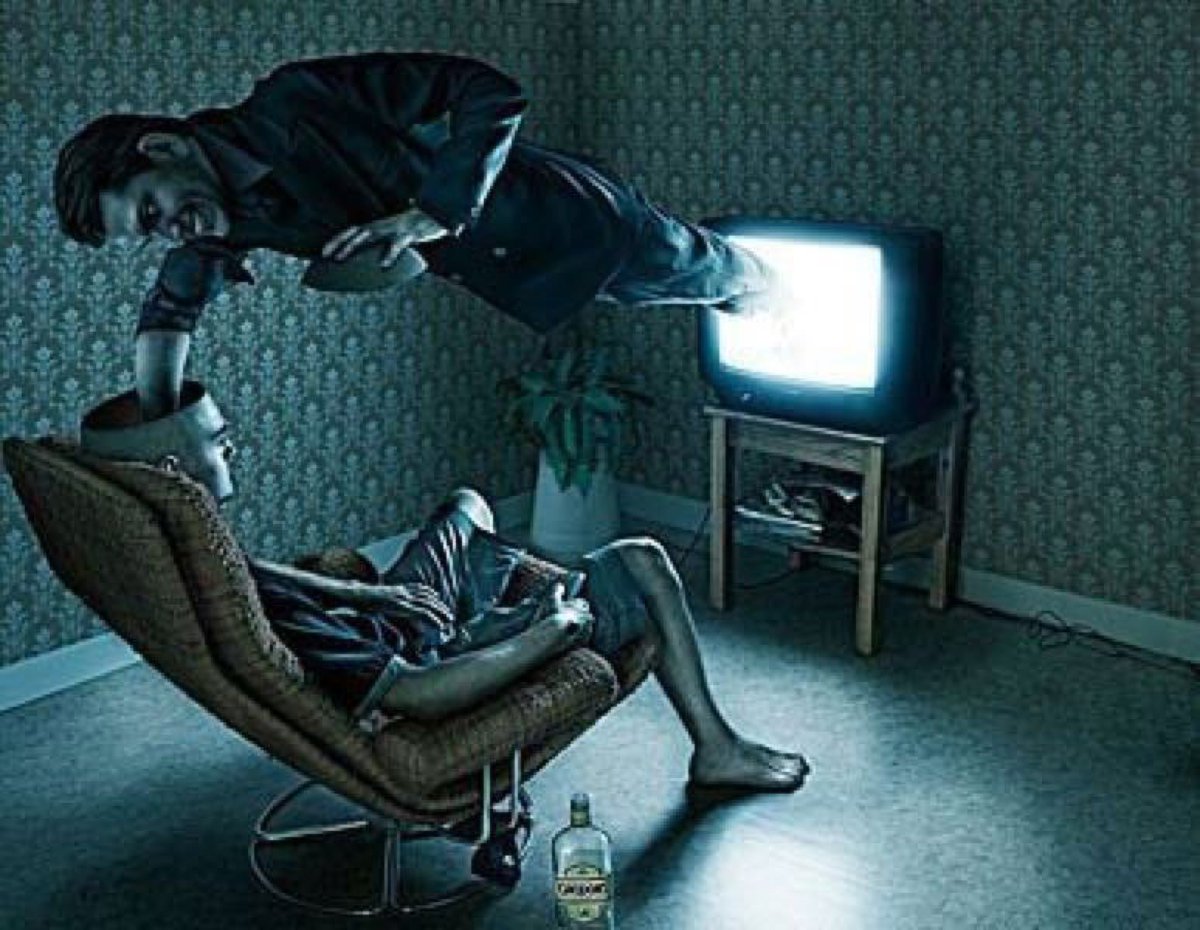
Only, what is it that we actually do with those extra 30 hours a week? It may not surprise you to realize that those hours are spent recreationally in front of a television, computer, on a tablet or smart-phone, consuming entertainment, information and drivel at ridiculously rapid rates and velocity.

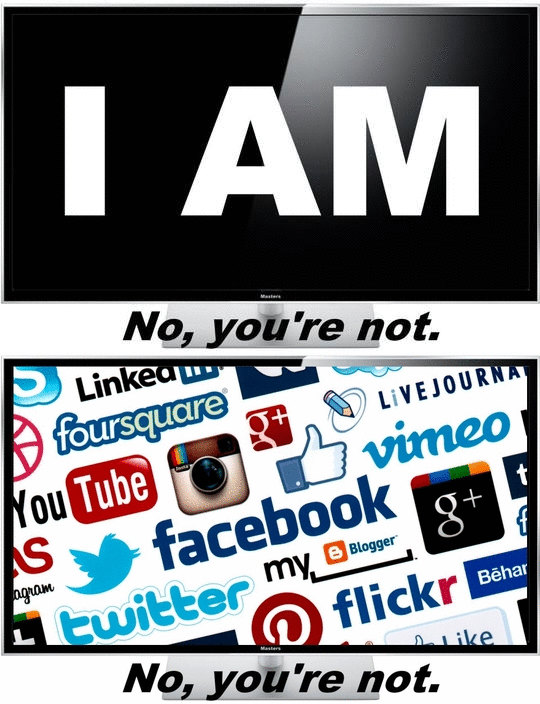
Television and media says I am No youre not animated

Most of us realize that television and the news is controlled by someone-or-something that filters and uses the data to get us to react in certain ways; to frighten us, make us angry, polarize us against each other or rally us into supporting a cause we otherwise would have not agreed with, etc…

Isn’t it time that we took control of the media, instead of letting the media control us?

Do you have what it takes to take the

Media Distraction Challenge

Media Distraction Challenge

The Media Distraction Challenge has two options:

1 Take back one hour per day to be free-and-clear of all media to spend focusing on you and your life’s mission
Or take the ultimate challenge
2 Unplug from all media, maximizing your effectiveness in the world exponentially

It may be difficult to imagine participating in a media hiatus, living without your media connections, television shows, etc…

One thing for certain; taking control from the mass manipulators and unplugging from the force-fed-media disarms them empowering you.

It’s time to take YOU back.