Growth, Renewal, and Transformation in 7-Year Cycles of Life

Every seven years, your body undergoes a remarkable transformation—one so profound, it reshapes the very foundation of who you are. On a cellular level, every single cell in your body is eventually replaced by a new one—your skin cells, your blood cells, even the cells in your bones, organs, and tissues. This constant renewal process means that, over time, you are literally becoming a new person, physically speaking. The cells that once formed the foundation of who you were seven years ago are long gone, replaced by fresh, new cells that reflect where you are today.

This continuous cycle of death and rebirth is not just a biological process—it’s a beautiful metaphor for life itself. Just as nature undergoes seasons of decay and renewal—where leaves fall in autumn only to give way to vibrant new growth in spring—our lives, too, follow a perpetual rhythm of letting go and transforming. In this way, we are always evolving, both in body and spirit. The person you were seven years ago may feel distant, and rightfully so—the very cells that formed that version of you no longer exist. In a sense, you are always becoming, never static.

But this process transcends physical change. It mirrors our emotional and spiritual journeys. The experiences we navigate, the relationships we foster, the challenges we face—these elements leave deep imprints on our minds and hearts. Over time, we shed old emotional patterns, limiting beliefs, and attachments, just as our body sheds old cells. While some wounds may take longer to heal, the natural rhythm of life always creates space for renewal. We can choose to grow from the pain, to release what no longer serves us, and to embrace a new version of ourselves, just as the earth welcomes new life with each season.

This cycle reminds us that transformation is ongoing. We are not fixed beings, but dynamic, ever-evolving forces, constantly in motion. In every moment, we have the opportunity to reinvent ourselves, to let go of what no longer fits, and to step into new possibilities. In a sense, we are always dying—but we are always being reborn. And with every passing year, we are given the extraordinary gift of becoming someone new—not just physically, but emotionally, mentally, and spiritually. This perpetual renewal offers endless opportunities to redefine, recreate, and rediscover who we are.

Now, let’s explore these profound seven-year life cycles and how they shape the human experience from birth to beyond 100 years.

0–7 Years: The Foundation of Being (The Early Childhood Years)

    • Biological Renewal: The body is in rapid growth mode, with cells replicating at astonishing rates. This is the phase of pure potential, where the foundation for health, emotional security, and basic trust is built.
    • Emotional & Spiritual Growth: Children absorb their environment like sponges. Their sense of self is not fully formed; instead, they live through instinct, emotion, and exploration.
    • Metaphor of Renewal: Like spring’s first blooms, children represent new life and endless possibility.

Example: A 5-year-old learning to ride a bike for the first time, experiencing both the thrill of freedom and the vulnerability of falling.

7–14 Years: Developing Identity and Emotion (The Middle Childhood Years)

    • Biological Renewal: New neural connections flourish as cognitive skills expand. The body gains coordination and strength, while emotional regulation begins to take shape.
    • Emotional & Spiritual Growth: This is the age of heroes, stories, and moral development. Children begin forming a deeper sense of right and wrong, and empathy blossoms.
    • Metaphor of Renewal: Like a young tree growing taller, this phase is about structure and establishing personal identity.

Example: A 10-year-old discovering a love for music, realizing the power of self-expression for the first time.

14–21 Years: The Quest for Independence (Adolescence to Early Adulthood)

    • Biological Renewal: Hormonal shifts trigger physical changes—puberty, brain development, and emotional highs and lows.
    • Emotional & Spiritual Growth: Identity is everything. Teenagers push boundaries, search for meaning, and begin to build their own belief systems. This is the stage of questioning and self-definition.
    • Metaphor of Renewal: Like a caterpillar becoming a butterfly, adolescence is a tumultuous but beautiful transformation.

Example: An 18-year-old leaving home for college, experiencing both the liberation and fear of newfound freedom.

21–28 Years: Building the Foundation (Young Adulthood)

    • Biological Renewal: Physical peak performance occurs here—strength, stamina, and energy levels are often at their highest.
    • Emotional & Spiritual Growth: Relationships deepen, career paths emerge, and individuals start crafting the life they envision.
    • Metaphor of Renewal: Like a builder laying the foundation of a house, this stage focuses on long-term goals and structure.

Example: A 25-year-old starting a new job while nurturing friendships and exploring long-term relationships.

28–35 Years: Self-Reflection and Stability (The Age of Responsibility)

    • Biological Renewal: Subtle aging processes begin, but mental and emotional maturity solidify.
    • Emotional & Spiritual Growth: Life choices made here often shape long-term identity. This is the first major point where people deeply reflect on their path and question its alignment with their true purpose.
    • Metaphor of Renewal: Like a tree with strong roots, individuals seek stability while still reaching for growth.

Example: A 32-year-old parent juggling work, family, and the desire for personal fulfillment.

35–42 Years: The Midlife Reflection (The Search for Meaning)

    • Biological Renewal: The body begins to slow, and signs of aging appear, but wisdom compensates for youthful energy.
    • Emotional & Spiritual Growth: Known as the “midlife crisis” for some, this phase can be a period of deep introspection, questioning life choices, and seeking greater purpose.
    • Metaphor of Renewal: Like autumn leaves, this is a season of letting go—of roles, beliefs, or paths that no longer serve.

Example: A 40-year-old embarking on a spiritual retreat after years in a high-pressure career, seeking deeper meaning.

42–49 Years: Awakening Authenticity (The Age of Transformation)

    • Biological Renewal: The physical body continues its natural shifts, yet there’s often a newfound focus on health and longevity.
    • Emotional & Spiritual Growth: Individuals become less concerned with external validation and more focused on authenticity and inner peace.
    • Metaphor of Renewal: Like a river carving its path over time, this phase is about refining who we are at our core.

Example: A 45-year-old starting a community garden, connecting passion with purpose.

49–56 Years: Embracing Legacy (The Age of Influence)

    • Biological Renewal: Physical energy may wane, but emotional and intellectual strengths peak.
    • Emotional & Spiritual Growth: Legacy becomes central—what have I contributed? What will I leave behind?
    • Metaphor of Renewal: Like the harvest season, this is a time of gathering life’s fruits and sharing them with others.

Example: A 52-year-old writing a memoir to pass down life lessons to future generations.

56–63 Years: Wisdom and Release (The Age of Reflection)

    • Biological Renewal: The aging process continues, but wisdom brings a calm acceptance of life’s impermanence.
    • Emotional & Spiritual Growth: This is a period of simplification, where the focus shifts from doing to being.
    • Metaphor of Renewal: Like a mountain weathered by time, the beauty of this phase lies in its resilience and grace.

Example: A 60-year-old downsizing their home and traveling, finding freedom in simplicity.

63–70 Years: The Elder Years (The Age of Contribution)

    • Biological Renewal: Though physically slower, many find deep emotional and spiritual fulfillment in mentoring roles and community engagement.
    • Emotional & Spiritual Growth: Wisdom, acceptance, and gratitude flourish.
    • Metaphor of Renewal: Like a well-tended garden, this stage is about nurturing others and savoring life’s richness.

Example: A 68-year-old grandparent sharing family recipes and stories with the next generation.

70–77 Years: The Spiritual Elder (The Age of Contemplation)

    • Biological Renewal: The body softens, but spiritual clarity often sharpens.
    • Emotional & Spiritual Growth: There’s a deepening connection to the bigger picture—life’s cycles, mortality, and meaning.
    • Metaphor of Renewal: Like a sunset, this stage is both beautiful and fleeting, full of reflection and grace.

Example: A 75-year-old hosting family gatherings, offering wisdom and creating lasting memories.

77–84 Years: The Sage (The Age of Contentment)

    • Biological Renewal: Physical fragility may increase, but emotional contentment often peaks.
    • Emotional & Spiritual Growth: Acceptance and peace are central. The focus is on relationships, gratitude, and leaving a lasting imprint.
    • Metaphor of Renewal: Like the stillness of winter, there’s calm, beauty, and quiet wisdom.

Example: An 80-year-old surrounded by family, feeling the fulfillment of a life well-lived.

84–91 Years: Embracing the Twilight (The Age of Legacy)

    • Biological Renewal: Life’s pace slows considerably, yet the heart remains rich with wisdom and stories.
    • Emotional & Spiritual Growth: Legacy becomes more important than ever—what will remain long after I’m gone?
    • Metaphor of Renewal: Like an ancient tree, deeply rooted yet weathered by time, this stage is marked by dignity and presence.

Example: An 88-year-old passing down heirlooms and sharing life’s greatest lessons.

91–100+ Years: The Full Circle (The Age of Transcendence)

    • Biological Renewal: The body reaches its natural conclusion, but the spirit often soars.
    • Emotional & Spiritual Growth: There’s a profound peace that comes with surrendering to life’s flow, where mortality is accepted, and gratitude is abundant.
    • Metaphor of Renewal: Like the final note in a symphony, there is beauty in the completion of the cycle.

Example: A 100-year-old at a family reunion, surrounded by generations shaped by their love and guidance.

Embracing the Rhythm of Life

The seven-year cycle is not merely a marker of time—it’s a reflection of nature’s wisdom within us. Just as the earth cycles through its seasons of growth, decay, and renewal, so too do we. Our bodies, minds, and spirits are in a constant dance of becoming, releasing, and transforming.

This perspective invites compassion—for ourselves and for others. Wherever we are in life’s timeline, we’re always evolving. We are never fixed. We are never done. With each passing cycle, we are gifted another chance to refine who we are, to release what no longer serves us, and to step fully into the ever-unfolding process of becoming.

So, as you reflect on your own life, ask: Who was I seven years ago? Who am I now? And who do I wish to become in the next seven years?

Because the beauty of life is not just in living—it’s in the continuous act of becoming.

Are You Unwittingly Powering Evil? Without Even Knowing It?

Look around you. Listen to your own words. Pay attention to the media that captures your focus, the posts you share, and the conversations you engage in. Have you ever considered that by focusing on negativity, destruction, or evil, you may be unwittingly participating in its power structure?

Where your attention goes, your energy flows. And whether you realize it or not, the moment you place your focus on something—whether you love it or hate it—you become a power source for it. Every click, every comment, every conversation that revolves around fear, anger, or outrage strengthens the very forces you claim to oppose.

Evil thrives on attention. It doesn’t care whether you are for or against it; it only needs your focus to grow stronger. It revels in your frustration, feeds off your anxiety, and multiplies when you spread its message. The very act of dwelling on what is wrong in the world makes you an active participant in its perpetuation.

Recognizing the Cycle

Consider how social media algorithms work. The more you engage with negative news—be it political corruption, crime, or global disasters—the more those topics will flood your feed. You might think you are simply staying informed, but in reality, you are reinforcing the cycle and spreading the very thing you detest.

For example, if you constantly share articles about corporate greed and corruption, you might think you’re raising awareness. However, by keeping those topics in the spotlight, you help sustain the emotional energy they thrive on. Meanwhile, solutions and positive movements are overshadowed, receiving less attention and support.

Some of the worst unwitting supporters of evil are those who continuously post, discuss, and share news about problems without ever offering a counter-energetic solution. They amplify fear, anger, and hopelessness, effectively becoming promotional agents for the very thing they claim to despise. Without actively supporting solutions, they are simply fueling the dramatic energy, making the unwanted force even stronger.

Breaking the Chain

The answer is simple, yet powerful: Shift your focus. Stop feeding the problem and start fueling the solution.

Instead of obsessing over corruption, support those who are fighting for justice. Instead of amplifying despair, amplify hope.

    • If you are passionate about environmental issues, instead of focusing on companies destroying the planet, donate to or volunteer for organizations actively restoring ecosystems.
    • If you are frustrated by political dishonesty, support and promote leaders with integrity rather than ranting about those who are corrupt.
    • If media sensationalism and fear tactics anger you, choose to engage with sources that inspire and uplift.

Contribute to causes that align with goodness. Share stories of triumph over adversity. Encourage those who are making a difference. Be part of the force that builds rather than the current that destroys.

When you shift from being a conduit for negativity to a generator of positivity, you realign your energy with the forces of creation, healing, and progress. You become an instrument of change—not through anger, but through intentional action.

The Power of Choice

Now that you know, the question is: What will you do?

Your interaction with the world is a choice. Choose wisely. Choose to build. Choose to heal. Choose to be part of the solution.

Your Mission Matters More Than Any One Person, Place, or Org

Too many people lose themselves in people, places, companies, organizations, and projects. They tether their sense of worth and identity to external forces, believing that attachment equals stability. But here’s the truth: attachment to anything outside yourself is the fastest way to give away your power, drain your energy, and sabotage your peace.

If you want to stay in your power, attach yourself to a mission, calling, or purpose—nothing else. This is how you ensure that no matter what happens, you keep moving forward.

The Trap of Attachment

When you attach yourself to a person, company, or organization, you invest emotional energy into something you cannot control.

    • A person can leave you, betray you, or change. If you have tied your self-worth to them, what happens to you?
    • A company can lay you off. If your identity is rooted in your job, what happens to you?
    • An organization can shift directions, disband, or lose integrity. If you’ve given everything to it, what happens to you?
    • A project can fail. If you’ve built your entire self around its success, what happens to you?

When the external factor crumbles, so does your sense of self. That’s why people who over-attach often feel lost, betrayed, or devastated when things don’t go as planned. They’ve placed their power outside of themselves.

Mission Over Everything

A mission, calling, or purpose is different. It is not dependent on anyone else. It does not require validation from a company or approval from a person. It is your internal compass, guiding you regardless of external circumstances.

    • If a person walks away, your mission remains.
    • If a job disappears, your calling does not.
    • If an organization dissolves, your purpose continues.

When you attach yourself to a mission rather than a person or institution, you become unshakable. You are no longer waiting for external approval. You are not dependent on circumstances lining up perfectly. You are committed to something bigger than any single event in your life.

The Power of Purpose

When you live with purpose:

    • You don’t cling to toxic relationships or jobs that drain you.
    • You navigate changes with grace because your core mission is untouched.
    • You make decisions from a place of clarity and confidence, not fear and attachment.

This is not about isolation or cold detachment from people and opportunities. It’s about standing firm in your own sovereignty. You can love people, enjoy work, and engage with communities, but you do so knowing that your purpose is the anchor—not them.

How to Shift from Attachment to Mission-Driven Living

    1. Identify Your Mission. What is the one thing that calls to you beyond all else? What is the impact you want to have on the world?
    2. Check Your Attachments. Where are you giving away your power? Who or what do you feel you “can’t live without” that isn’t aligned with your mission?
    3. Redirect Your Energy. Every day, make sure your actions and choices support your mission, not just temporary circumstances.
    4. Detach with Love. If you must step away from a person, job, or organization, do so with gratitude but without guilt. Keep your peace intact.
How to Find Your Life Purpose

You are not here to be a servant to unstable forces. You are here to fulfill your mission, express your calling, and walk in your purpose. Everything else—people, jobs, projects—are simply vehicles that come and go. Your mission is eternal.

Let go of attachment. Stay in your power. Keep your peace.

The world needs the fullest version of you, not a version clinging to something that was never meant to define you in the first place.

What’s That Inner Whisper? Your Higher Calling is Beckoning!

There comes a moment, often in the stillness of an ordinary day, when a subtle but persistent feeling stirs within. It’s a whisper, almost like a forgotten melody, suggesting that life could be more than it seems. The routines, the expectations, the societal structures—they all feel like pieces of a puzzle that don’t quite fit together. If you’ve ever had the thought that something deeper lies beyond the surface, that there must be more to life than what you’ve known, you are not alone.

Many people go through life accepting the status quo, believing that the path laid out before them is the only way. Yet, beneath the surface, a hidden depth calls to those who dare to listen. The world, as it has been presented, often feels like a simplified version of what life could truly be. It’s as though the richness and wonder of existence have been buried beneath layers of distraction and conformity. But that quiet voice within—the one that questions, wonders, and dreams—isn’t wrong. It’s your inner truth calling you home.

The Reality Behind the Illusion

Society has, in many ways, streamlined life into manageable categories: work, consume, repeat. The endless pursuit of success often leaves people feeling disconnected, as if they’re playing a game where the rules don’t make sense. This sense of disorientation isn’t a mistake; it’s a sign. It means you’re waking up to the fact that the version of life you’ve been handed may not be the whole story.

This feeling is similar to a tree with roots that extend far deeper than the eye can see. Beneath the surface, a vast network of possibilities exists, and your heart knows it. The challenge is to find the courage to explore those depths.

Listening to the Inner Whisper

That still, small voice is more than just a fleeting thought. It’s the compass of your soul, guiding you toward a life of authenticity and purpose. Here are some ways to reconnect with that inner wisdom:

1. Practice Daily Silence

Spend a few minutes each day in complete silence. Turn off devices, close your eyes, and simply listen. The clarity you’re seeking often emerges in the quiet.

2. Journal Your Thoughts

Writing down your thoughts, questions, and dreams helps bring hidden truths to the surface. Let your mind wander, and don’t censor yourself.

3. Spend Time in Nature

Nature has a way of reminding us that life is far more profound than daily routines. A walk among trees or by the ocean can awaken dormant insights.

4. Ask, Then Listen

When you’re unsure, simply ask yourself, “What do I truly need right now?” The answer might not come immediately, but it will come if you remain open.

5. Meditate on Your Why

Spend time reflecting on why you feel there’s more to life. What moments make you feel most alive? What dreams ignite your spirit? These reflections can illuminate your path.

Building Courage for the Journey

Stepping away from the familiar to carve out your own path requires courage. It means facing doubts, societal pressures, and sometimes even the skepticism of those around you. Yet, history is filled with individuals who did exactly that—and discovered extraordinary lives.

  • Jim Carrey wrote himself a check for $10 million before he was a successful actor. He trusted his vision and pursued his dream with relentless determination.
  • J.K. Rowling was a struggling single mother who believed in the story that lived within her. Despite multiple rejections, she persevered and created one of the most beloved book series of all time.
  • Elon Musk was repeatedly doubted when he pursued electric vehicles and space exploration, yet his belief in a different future reshaped industries.

These individuals dared to follow their internal compass, even when it led them away from the safe and predictable. They didn’t possess any secret formula—just the willingness to trust that life had more to offer and the courage to act on that belief.

A Life Beyond the Horizon

The path to a deeper, more fulfilling life doesn’t come with a map. It’s a journey of self-discovery that requires faith, patience, and resilience. The world may try to convince you that success means fitting into a predefined mold. But the truth is, the most extraordinary lives are often lived by those who step outside the mold entirely.

Imagine the possibilities if you embraced the call within. Imagine waking up each day knowing that you’re living your truth, rather than someone else’s idea of what life should be. You have the power to join the ranks of those who dared to walk their own path. The adventure begins when you decide to listen to the whisper of your heart and trust that it knows the way.

So, if you’ve ever felt like there’s more to life than what you’ve been told, you’re absolutely right. That feeling isn’t an illusion; it’s an invitation. An extraordinary life awaits—one where you don’t just exist, but truly live. All it takes is the willingness to say yes to the journey and the courage to begin.


Rediscovering Our Personal Energy and Purpose, Post-Lockdown

In the wake of the Covid-19 lockdowns, it has become increasingly clear that many Americans, and many people worldwide, have been struggling to muster the motivation that once fueled personal and collective aspirations. Concerns about mental health, a rise in depression and loneliness, and a reported decline in ambition have become everyday topics of conversation. It’s as though a spell has descended, sapping energy and drive, and leaving us collectively disoriented.

But is this truly the “new normal”? Or is it a temporary phase that reflects profound changes in how we perceive the world, our place in it, and our hopes for the future? Most importantly, is there hope for us? Absolutely, yes. Below is a look at why this has happened and how we can each begin to break free by consciously raising our personal energetic frequencies, regaining motivation, and contributing to a better collective future.

What exactly are we suffering from post-lockdown?

1. Prolonged Stress and Exhaustion

The stress of living through a pandemic—health anxieties, economic uncertainty, social isolation—triggered a constant fight-or-flight response in many of us. Sustained stress can lead to adrenal fatigue, burnout, and anhedonia (loss of pleasure). When the world started opening up again, it wasn’t a simple matter of “getting back to normal.” Our nervous systems had already spent months, even years, in a hypervigilant state, leaving many people feeling depleted.

2. Shift in Values and Purpose

The pandemic forced a reevaluation of personal priorities. Suddenly, career trajectories and productivity goals seemed less important than safety, family, and mental wellness. While this introspection can be positive, it also created an undercurrent of existential questioning: Why am I doing what I do? Does it even matter? For some, the result was a listlessness and lack of drive to return to pre-pandemic routines.

3. Social Disconnect

Loneliness and isolation became a defining feature of lockdowns. Even the most introverted among us felt the loss of casual, day-to-day human interaction. Humans thrive on social contact; it nurtures our sense of belonging and helps sustain momentum in our goals. Without strong social ties, apathy and hopelessness can creep in.

Recognizing the Signs of Low Motivation and Energy

    • Sleeping in and struggling to get out of bed. This often reflects physical and emotional fatigue, or a lack of excitement about the day’s prospects.
    • Procrastinating and lack of productivity. When one’s sense of purpose feels unclear, it’s easy to default into inaction.
    • Not caring or feeling numb. Emotional detachment can be a defense mechanism to protect oneself from further stress or disappointment.
    • Low self-esteem. Feelings of isolation and repeated disruptions in goals and routines can erode confidence and self-worth.
    • Depression and loneliness. These concerns frequently accompany one another, amplifying negative emotions and contributing to a cycle of low energy.

If you are experiencing any of these symptoms, remember that you’re not alone. They’re increasingly common and often responsive to the right interventions and lifestyle changes.

Raising Your Energetic Frequency

1. Prioritize Physical Health

    • Regular Exercise: Movement triggers the release of endorphins—“feel-good” hormones that boost mood and energy. Even a short walk or gentle stretching routine can help.
    • Nutrient-Dense Diet: Fuel your body with foods rich in vitamins, minerals, and antioxidants. Limit processed and sugary foods that can cause energy crashes.
    • Quality Sleep: Aim for 7–9 hours of restful sleep each night. Sleep is a key factor in mood regulation and physical well-being.

2. Herbal and Food Suggestions to Raise Energetic Frequencies

Adaptogenic Herbs

      • Ashwagandha: Known for helping the body adapt to stress, improving energy levels, and supporting overall well-being.
      • Rhodiola Rosea: May help combat fatigue and enhance mental performance.
      • Holy Basil (Tulsi): Revered for its calming yet rejuvenating qualities, potentially helping reduce stress hormones.

Energizing Foods

      • Green, Leafy Vegetables: Spinach, kale, or collard greens provide essential vitamins and minerals that support cellular energy.
      • Nuts and Seeds: Almonds, walnuts, pumpkin seeds, and chia seeds supply healthy fats, proteins, and micronutrients that stabilize energy levels.
      • Bananas and Avocados: Rich in potassium and other nutrients, these fruits help sustain energy and assist in muscle function, aiding in exercise and daily movement.
      • Green Tea: A moderate dose of caffeine and the calming amino acid L-theanine can help improve focus without the jitters often associated with coffee.

Hydration and Electrolytes

Sometimes low energy is linked to dehydration or electrolyte imbalance. Drinking enough water and replenishing electrolytes (through coconut water or a balanced diet) can help you feel more alert and motivated.

3. Restore Mental and Emotional Balance

    • Mindfulness and Meditation: Simple breathing exercises or guided meditations can help reduce stress and ground you in the present moment, restoring mental clarity.
    • Prayer and Scripture Reflection: Engaging in daily prayer, along with reading or meditating on Bible passages, can offer a renewed sense of hope and direction. Reflecting on verses such as Jeremiah 29:11 (“For I know the plans I have for you…plans to prosper you and not to harm you…”) can inspire trust in a brighter future and reinforce a sense of divine purpose in everyday life.
    • Therapy or Counseling: Professional help can provide coping strategies, accountability, and perspective, particularly for those struggling with prolonged depression or anxiety.
    • Gratitude Practice: Journaling a few things you’re grateful for each day helps shift focus from negativity to the abundance that’s already present in your life.

4. Foster Social and Community Connections

    • Reconnect with Supportive People: Whether by phone, video chat, or in person, meaningful social interactions help combat loneliness and foster a sense of belonging.
    • Join Groups or Classes: Community groups, clubs, sports teams, or volunteer opportunities can provide structure and a shared sense of purpose.
    • Accountability Partners: Find a friend or colleague who wants to enhance productivity, positivity, or wellness, and agree to check in regularly.

5. Reclaim Your Sense of Purpose

    • Casting Your Cares on God: Many Christians find comfort in the idea of surrendering anxieties to God (1 Peter 5:7). Consciously placing worries, fatigue, and struggles into divine hands can lighten the emotional burden and allow for renewed mental and spiritual clarity.
    • Set Small, Manageable Goals: Break large tasks into smaller milestones. Achieving even a single, well-defined goal can restore confidence and momentum.
    • Reflect on Personal Passions: Are there projects or causes you’ve been neglecting? Revisit them. Doing things you love infuses daily life with meaning.
    • Celebrate the Wins: Recognize every small success. Over time, acknowledging these triumphs helps rebuild motivation and self-esteem.

Empowering Practices to Shift Personal Energy

Beyond foundational habits, certain practices can help raise your internal “frequency” or baseline energy levels:

    • Breathwork: Techniques like pranayama (in yoga) or Wim Hof Method breathing can boost oxygenation, reduce stress, and sharpen mental focus.
    • Sound Therapy or Music: Calming music or nature sounds can help regulate mood and lower anxiety. Alternatively, uplifting playlists can invigorate you during low-energy periods.
    • Nature Immersion: Known as “forest bathing” in some traditions, simply spending time among trees or near bodies of water has a rejuvenating effect.
    • Creative Expression: Art, dance, writing, or any form of creative outlet can channel emotions into productivity and spark new inspiration.
    • Energy Healing Modalities: Practices like Reiki, acupuncture, or Qigong can supplement other wellness strategies if you’re open to alternative methods of managing stress and restoring balance.

Finding Hope and Moving Forward

Is there hope for rekindling the American drive and desire for independence, productivity, and prosperity? Undoubtedly. While the pandemic and its aftermath have highlighted systemic flaws and deeply personal challenges, these revelations can become catalysts for growth. Moments of crisis often give rise to new visions and paradigms, as individuals collectively redefine what a fulfilling life and a vibrant society look like.

    • Resilience is built one habit at a time. If you’ve found yourself struggling, know that motivation can be rebuilt through incremental adjustments in daily life.
    • Community-building is crucial. Individual action is powerful, but shared goals and social support amplify our efforts.
    • Fellowship and Service: Actively participating in a church community—whether in small groups, volunteering opportunities, or worship services—helps combat feelings of isolation. Serving others can reignite a sense of personal contribution and remind us of the biblical principle that faith is lived out through acts of love and kindness (James 2:17).
    • Innovation thrives in turmoil. History shows that periods of upheaval often lead to breakthroughs in technology, social progress, and collective awareness. The drive to create and improve is hardwired into the human spirit—and it resurfaces powerfully whenever we move past shock and inertia.
How to Find Your Life Purpose

Ultimately, breaking the spell of post-lockdown lethargy depends on recognizing that our energy and sense of possibility come from an interplay of physical health, mental and emotional well-being, social connection, and spiritual or existential meaning. By tending to these areas with intention and compassion, each of us can rise from the lingering shadows of the pandemic and reclaim a vibrant, proactive life.

Yes, there is hope. The spark within us may have dimmed, but with conscious effort and support, it can—and will—burn brightly again. Each step toward restoration not only uplifts us personally but also contributes to a collective momentum. Together, we can inspire one another to dream big, take action, and meaningfully contribute to a better world for all.


Turn Windfalls into Lasting Prosperity with Lightning Effect

Every so often, someone is struck by an unexpected windfall—a sudden surge of financial opportunity that seems like a dream come true. Whether it’s an inheritance, winning the lottery, a business breakthrough, or simply being in the right place at the right time, these moments of fortune feel like being struck by lightning.

Yet, as history has shown time and time again, many of these individuals find themselves right back where they started within a few short years. Some lose everything in less than three years; others manage to stretch it out a bit longer. But few continue to prosper and grow beyond that initial stroke of luck.

Why?

Because they were unprepared for the lightning strike.

Yes, there are always exceptions—those who make wise choices and transform their good fortune into generational wealth. But for the majority, the windfall becomes nothing more than a fleeting moment of excitement, a memory of their “fifteen minutes of fame” before they return to their previous financial standing.

But what if it didn’t have to be that way?

What if you could not only be prepared for your moment of fortune but also harness the energy of that storm, ride it hard, and maximize its potential? What if you could turn a single moment of success into a lifetime of prosperity, building a legacy that outlives you and benefits future generations?

When people suddenly come into money, they often experience an emotional high. They feel invincible. They believe that their fortune will last forever or that they have all the time in the world to figure out what to do with it. In the excitement of newfound wealth, they:

    • Spend lavishly without a plan.
    • Make impulsive, high-risk investments.
    • Give too much away without considering sustainability.
    • Trust the wrong advisors or manage everything alone.
    • Neglect personal growth, financial education, or future planning.

It’s a dangerous illusion. Money, when not properly managed, disappears faster than most people expect. And once it’s gone, the hard lesson sets in: money itself does not create security—alignment, knowledge, and strategy do.

This is where my work comes in. I help my clieexpertnts prepare for their moment of fortune before it happens—or, if they’ve already received their windfall, I help them harness it effectively.

Success, like wealth, isn’t just about luck. It’s about preparation and execution. If you are truly ready when fortune strikes, you won’t just experience a fleeting moment of success—you will turn that moment into a powerful, lasting transformation.

Here’s how:

    1. Find Your Life Purpose

Money without purpose is like a ship without a rudder. Before you ever receive a financial windfall, you need to define your mission. What do you want to achieve? What impact do you want to make? How can you use money to fuel that vision rather than simply spend it?

    1. Align Your Projects, Purpose, and Energy for Maximum Flow

Success isn’t just about effort—it’s about alignment. When your projects, finances, and decisions are in harmony with your deepest values and personal truth, everything flows more easily. Instead of exhausting yourself by forcing things to happen, you create a resonance that attracts the right opportunities, people, and results.

Alignment creates efficiency. When you focus on projects that are in sync with your:

        • Core beliefs – ensuring your wealth is used in ways that feel meaningful.
        • Personal values – directing your energy toward what truly matters to you.
        • Life purpose – ensuring that every investment, business venture, and financial decision supports your long-term mission.
        • Natural talents and passions – working with your strengths instead of against them.

When all of these are in alignment, less effort is required, yet greater results unfold. You’re not just chasing success; you’re attracting it because your work, your resources, and your purpose are vibrating at the same frequency.

    1. Establish Yourself as the Expert in Your Field

Long-term prosperity isn’t just about having money—it’s about being valuable. If you position yourself as a leader in your field, your opportunities will multiply, and you’ll continue generating wealth beyond your initial windfall.

By leveraging your expertise and aligning your public image with your core purpose, you create sustainable influence and financial security.

    1. Maximize Your Prosperity for Future Generations

True financial success extends beyond personal wealth—it builds a lasting legacy. That means:

        • Setting up structures that protect assets and allow your wealth to grow.
        • Creating businesses or investment vehicles that generate long-term income.
        • Ensuring that your financial decisions reflect the energy of abundance, not scarcity.
        • Mentoring others, including your family, to sustain and grow the wealth.
How to Find Your Life Purpose

The Cost of Not Being Ready

I’ve met many people who had the chance to work with me before their moment of fortune arrived. In the moment, they felt confident they didn’t need my guidance. They sought advice elsewhere or, worse, assumed they could manage on their own.

Three years later?

You already know what happened.

Some managed to stretch their fortune a bit longer, but eventually, the money was gone. They had fun while it lasted, and many don’t fully regret their choices—but if given another chance, they would have done things differently.

Most people don’t get a second lightning strike. When fortune arrives, you need to be ready to seize it, control it, and transform it into something greater.

The best time to prepare for success is before it happens. The second-best time is right now.

If you’ve already experienced a financial windfall, you still have the opportunity to redirect your course and build something lasting. But if you’re waiting for your moment to arrive, don’t wait passively—prepare actively.

Seek guidance. Align your projects with your purpose. Operate in flow rather than force.

Because when lightning strikes, the only question is: will you harness its power, or will you let it fade into a distant memory?

Choose wisely. Your legacy depends on it.

When All Seems Lost, Maybe It’s Time to Restructure and Rise

There are moments in life when a person is holding on by nothing more than a fragile thread, their soul battered and bruised, standing on the precipice of despair. I see this all too often in my line of work. People who have endured a lifetime of neglect, manipulation, abuse, and terrorization finally find themselves at the breaking point, and in their darkest hour, they reach out—not always for help, but sometimes just for the chance to be heard before they let go.

When All Seems Lost, Maybe It’s Time to Restructure and Rise From the Ashes Victorious

Such was the case of Cindy.

Cindy’s story was one of unimaginable pain. Trauma that had been bottled up so deeply that it had no escape, no voice, no witness. Her suffering had been so vast, so deeply buried, that she had become a master at concealing it—even from herself. But the burden of carrying the weight of her past was crushing her spirit, and when she came to me, she had already decided that if she couldn’t find a way to release it, she would take her life.

This is often where true healing begins—not at the point of ease, but at the breaking point. And day by day, Cindy did the work.

The kind of trauma she carried is far more common than people would ever admit. It’s the silent epidemic, the suffering that exists behind closed doors, locked in the memories of those who dare not speak of it. In fact, if you are reading this now, there is a good chance that you, too, carry some unspoken trauma within you. It festers like an acid, burning from the inside out. And when something triggers it, you react—perhaps without even knowing why—before shoving it back down, trying to continue with life as best as you can.

That was Cindy. Until she couldn’t do it anymore.

Some victims of this level of trauma have done such an effective job of hiding their experiences that they have no conscious memory of them—just a void, a black hole where the pain used to be. But healing has a way of calling forth the truth, and Cindy had come to the place where she was ready to face it, to do the deep work necessary to release it and reclaim her life.

And she did.

Not only did she recover, but she discovered that her suffering had prepared her for something greater. She realized that she had come to this planet with the strength to endure, not just for herself, but to pave the way for others who had suffered in silence. Her pain had birthed a mission: to help others release unspoken trauma and love their way to wellness.

With newfound passion, Cindy created sacred space seminars, workshops, courses, and retreats—safe havens where others could begin their healing journeys. And as often happens when someone steps into their calling with such authenticity, the world took notice.

The media caught wind of her story, and soon, a documentary was made. Anticipating the impact, Cindy prepared a website, social media accounts, and outreach platforms where survivors could connect with her. She knew the power of her message, and she was ready to stand in the light of her truth.

But the world is not always kind to those who dare to speak the unspoken.

When the documentary was released, Cindy braced herself for the wave of response. What she hadn’t anticipated was the sheer brutality of the backlash. Thousands of internet trolls descended upon her, viciously attacking her, spreading malicious lies, and re-traumatizing her in ways she never imagined possible.

This is a reality that few talk about. When someone steps forward with raw vulnerability and truth, they often face intense resistance—not just from those who disagree, but from those who are too afraid to face their own buried pain. The world can be cruel to those who dare to shine a light in the darkness.

For a moment, it nearly destroyed her. The wounds were ripped open again, and she found herself teetering on the edge once more. But this time, she was different.

This time, she had the tools.

She had done the work, and she knew how to reclaim her power. She had built the resilience to stand, even when the world tried to knock her down. She restructured her mission, redefined her purpose, and came back stronger than ever—this time, with an even greater understanding of what it truly means to heal.

Because healing isn’t just about overcoming the past—it’s about standing in your truth, even when others try to tear you down. It’s about finding the strength to keep going, even when the world pushes back. It’s about restructuring and repositioning, as it becomes necessary, in a way that focuses your efforts on those you deeply desire to serve. And most of all, it’s about knowing that your pain does not define you—your courage does.

Cindy’s story is not unique. For every Cindy who rises, there are thousands still suffering in silence, waiting for a light, waiting for someone to show them the way. And it is because of people like her—people willing to do the work, to face the darkness, to step into their calling—that the world becomes a better place.

How to Find Your Life Purpose

If you are one of those still holding onto unspoken trauma, know this: your story is not over.

You are stronger than you know. You are not alone. And when you are ready, healing is possible.

May the world be filled with more Cindys—warriors of light, healers of the unseen wounds, and fearless voices for those who have yet to find their own.

God bless all the Cindys.

7 Steps to Break Free Live Your Best Life & Change the World

Let’s talk about the grind—that endless cycle of working for a paycheck, following someone else’s rules, and putting your dreams on hold. If you’re feeling stuck in the rat race, you’re not alone. Sure, the golden handcuffs (you know, the salary, the perks, the benefits) might seem worth it, but let’s be real—are they really? Or are they just keeping you from your best life?

Deep down, you know there’s more to life than meetings, deadlines, and waiting for that golden parachute when you finally retire. You weren’t meant to merely survive—you were meant to thrive, to discover your unique purpose, and to use your sacred gifts to make the world a better place.

But to do that, you’ve got to take a leap. It’s time to stretch yourself outside your comfort zone, ditch the script society handed you, and create a life that’s authentically you.

Your comfort zone is like your favorite pair of sweatpants—cozy, familiar, and super hard to let go of. But staying there too long stunts your growth. It keeps you clinging to what’s easy while robbing you of the life you could be living.

The rat race thrives on comfort zones. It dangles rewards like promotions and raises just close enough to keep you running but far enough away to keep you stuck. And while you’re busy chasing them, your dreams gather dust.

The truth? Growth only happens when you step into discomfort. When you stretch beyond what’s familiar, that’s where the magic begins.

7 Steps to Break Free and Live Your Best Life

1. Recognize the Cage You’re In

The first step is awareness. Start by getting honest about what’s not working. Are you in a job that drains you? Are you living for the weekend? Take a hard look at the invisible handcuffs holding you back—whether it’s fear, societal expectations, or the false promise of “security.”

2. Tap Into Your Sacred Gifts

What are you naturally good at? What do people always ask for your advice on? These are your sacred gifts—your unique talents and passions. Write them down. When you align your life with these gifts, you’ll find yourself energized, motivated, and fulfilled.

3. Get Comfortable Being Uncomfortable

Growth requires discomfort—it’s just part of the process. Embrace it! Instead of fearing failure, think of it as feedback. Each misstep gets you closer to where you’re meant to be. Remember, discomfort is the price of admission to your best life.

4. Invest in Your Dream Life

Stop sinking all your time and energy into someone else’s vision. Instead, redirect some of that effort into your own. Take that online course. Hire the life coach. Write the business plan. The best ROI you’ll ever get is on yourself.

5. Leverage the Job You Have

You don’t have to burn bridges to start building your dream life. Use your current job as a launchpad, not a prison. Set a timeline, save money, and use your evenings or weekends to lay the groundwork for your big leap. Think of it as working smarter, not harder.

6. Build Your Community

No one succeeds alone. Surround yourself with people who believe in you—mentors, friends, or even online communities of dreamers and doers. Avoid the naysayers (you know, the ones who say, “Why would you risk it?”). Their fear isn’t yours to carry.

7. Take Action, One Step at a Time

Waiting for the “perfect time” is a myth. Start now. Even small steps—like researching a new skill, networking, or testing a side hustle—can build momentum. Action fuels confidence, and confidence helps you stretch even further outside your comfort zone.

How to Find Your Life Purpose

What’s Holding You Back?

Maybe you’re worried about failing. Maybe the thought of walking away from stability terrifies you. That’s okay—it’s normal. But ask yourself this: What’s scarier? Trying and failing? Or looking back in 10 years, wondering what could have been?

Here’s the truth: your sacred gifts are meant to be shared. The world needs them. When you step into your purpose, you don’t just elevate your own life—you create a ripple effect, inspiring others to do the same.

Avoiding the Traps

As you navigate this journey, beware of the hustle culture trap. This isn’t about working 24/7 or turning your passion into a grind. It’s about alignment, not exhaustion. And don’t let comparison culture derail you, either. Your path is yours—it doesn’t have to look like anyone else’s.

Living Your Best Life

Breaking free from the rat race isn’t just about escaping the grind—it’s about stepping into the person you were always meant to be. It’s about aligning your work with your values, your passions, and your purpose.

When you stretch outside your comfort zone, you don’t just transform your own life—you create a better world. Your unique gifts have the power to inspire, heal, and ignite change.

So what are you waiting for? Your best life is waiting. Take that first step. Live with purpose. And watch as the world becomes a little brighter because you dared to show up as your authentic self.

Now, go get it. The hamster wheel is officially out of order.


How to Make Better Decisions and Manage Our Time Effectively

Just like anyone, I’ve faced those proverbial forks in the road where the choice isn’t obvious. Should I go this way or that? What I’ve learned over time is that decision-making and time management don’t have to be complicated—they just need systems that work for you. Let me walk you through my favorite methods that help me navigate confusion and stay productive, along with a few more techniques you might find helpful.

When I’m confronted with a choice, the first thing I turn to is a T-chart. It’s a simple yet powerful tool. I divide the options into two columns—positives and negatives for each choice. Writing it out gives clarity and structure to what might otherwise feel overwhelming. Once I’ve listed everything, if one side clearly outweighs the other, I base my decision on that outcome.

But sometimes, it’s not that simple. What if it’s a tie?

Adding Weight to Your Options

When the T-chart alone doesn’t deliver a clear winner, I add weight to each item. You can use anything uniform—washers, coins, or even pre-1982 pennies, which are excellent conductors of energy, if you have a collection like mine. I assign a number of pennies to each item based on the energy or importance I feel it carries, then weigh the options. The heavier pile wins my vote.

Still tied? No problem. That’s when I turn to a pendulum. It can be as simple as a string and a nut or any weighted object that swings freely. A pendulum gives three potential answers: yes, no, or the frustrating round-and-round (like waiting for a slow internet connection).

The Game-Changer: Muscle Testing

Eventually, I discovered muscle testing (also called applied kinesiology). It’s a technique that helps me connect to my subconscious and bypass analysis paralysis. Using simple tests to gauge my body’s responses, I get clear yes-or-no answers. For me, this method demystifies decision-making entirely.

Decision Journaling

Another technique I use is decision journaling. When facing a big choice, I write down:

      • The situation
      • My options
      • How I feel about each choice
      • The reasons behind my decision

Not only does this help me process my thoughts, but it also creates a record I can look back on. Over time, I’ve been able to identify patterns in my decision-making and improve how I approach challenges.

The 10/10/10 Rule

If I’m stuck on a decision, I use the 10/10/10 Rule:

      • How will I feel about this choice in 10 minutes?
      • How will I feel in 10 months?
      • How will I feel in 10 years?

This method shifts my focus from immediate emotions to long-term outcomes, helping me make choices that align with my deeper values and goals.

The “Regret Test”

Sometimes I ask myself: If I don’t do this, will I regret it later? If the answer is yes, it’s a clear sign to move forward. This approach is particularly helpful for decisions about opportunities that might not come again.

Managing Time to Boost Productivity and Balance

Time management is just as crucial as decision-making. If you don’t manage your time, your time will manage you! Here are some of the strategies I use to keep my schedule balanced and productive.

The Skittles Time Management Method

I love the Skittles Time Management method which involves creating a weekly calendar and using brightly colored Skittles candies to map out how I use each hour.

Here’s how it works:

    1. Assign each color of Skittles to a specific activity or category. For example:
      • Red: Work
      • Green: Exercise
      • Yellow: Family time
      • Orange: Relaxation
      • Purple: Personal growth
    2. Go through your weekly schedule and mark out each hour with the corresponding Skittle.
    3. Step back and look at the distribution of colors.

This visual method helps me spot areas that need adjustment or find hours where I’m wasting time on less productive activities.

The Pomodoro Technique

When tackling a task, I often use the Pomodoro Technique (developed by Francesco Cirillo in the late 1980s) to stay focused:

    1. Set a timer for 25 minutes and work on one task without distractions.
    2. When the timer goes off, take a 5-minute break.
    3. Repeat this cycle four times, then take a longer 15-30 minute break.

Breaking work into short, focused intervals helps me stay productive without burning out.

Batching Similar Tasks

To save mental energy, I group similar tasks together. For example, I’ll respond to all emails at once, make all phone calls back-to-back, or do all creative brainstorming in a single session. This minimizes the time and energy wasted on task-switching.

The 2-Minute Rule

If a task takes less than two minutes, I do it immediately. This rule keeps small tasks from piling up and becoming overwhelming.

Weekly Planning Sessions

At the start of each week, I set aside 30 minutes to:

    1. Review my goals.
    2. Schedule my priorities.
    3. Block out time for rest and self-care.

Having a plan in place gives me a clear roadmap for the week and helps me stay on track.

Learn to Say No

One of the most effective time management tools is the word “no.” I evaluate every request or opportunity against my goals and values. If it doesn’t align, I politely decline. Saying no to less important things gives me more time for what truly matters.

Review

    1. Simplify Decision-Making: Use T-charts, weighted options, pendulums, muscle testing, decision journaling, and long-term thinking tools like the 10/10/10 Rule or the Regret Test.
    2. Visualize Your Time: The Skittles calendar offers a colorful and fun way to assess how you’re spending your hours.
    3. Maximize Productivity: Techniques like the Pomodoro Method, task batching, and the 2-Minute Rule help you get more done with less stress.
    4. Plan Ahead: Weekly planning sessions ensure you prioritize your goals while leaving room for rest.
    5. Protect Your Time: Learn to say no to distractions and commitments that don’t align with your values.

By combining these strategies, you can make decisions faster, manage your time better, and create a life that feels balanced and purposeful. Which of these methods resonates with you the most? Let me know if you’d like help getting started!


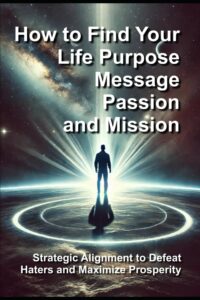
How to Find Your Life Purpose, Message, Passion, Mission: Strategic Alignment to Defeat Haters and Maximize Prosperity

Yes, the new book is out, and the new course is underway—and here’s your chance to be part of something extraordinary. If you’ve been searching for a course to help you uncover and embrace your purpose, but feel held back because your calling doesn’t fit the mold of mainstream acceptance, this is exactly what you’ve been waiting for.

There are countless books and courses on finding your purpose, but let’s be honest—most are designed for the masses. What if your purpose is different? What if it’s bold, controversial, and powerful enough to challenge the status quo?

This course isn’t for everyone—it’s for those who know their ideas are life-changing but fear the inevitable pushback. Whether it’s criticism, rejection, or resistance from unexpected sources, this program is designed to help you not just overcome it—but use it as fuel to succeed.

For 10 weeks, we’ll meet once a week to:

    • Uncover your unique purpose, message, passion, and power.
    • Learn how to handle and defeat the naysayers, even when they come from the places you least expect.
    • Build the confidence to dominate your sacred space, spread your message, and stay true to your calling.
    • Align your Quaternity of Purpose, along with the planets*, for maximum efficacy with nominal energy expended or effort.
    • Master the art of self-funding your purpose while creating a better life for yourself and the world around you.

This is your chance to not only discover your highest potential but to thrive in it—making a difference and a living at the same time.

Be part of the beta group for the course’s initial roll-out. Contact me today to secure your spot on the special invitation list. Spaces are limited, and I want to make sure the right people—like you—are in the room.

Are you ready to step into your purpose and claim your power? Let’s do this together. Reach out now, and let’s get started.

The book for the DIY-ers:

How to Find Your Life Purpose

Discover your ultimate life purpose and unleash your potential with How to Find Your Life Purpose, Message, Passion, and Mission: Strategic Alignment to Defeat Haters and Maximize Prosperity by David M Masters. This transformative guide dives deep into aligning your heart, mind, and soul to unlock the life you were destined to live.

Unlike other purpose-related books, David M Masters doesn’t just stop at helping you identify your passion and mission—he prepares you for the inevitable challenges and opposition you’ll face along the way. With wisdom drawn from decades of experience as a transformational leader and coach, Masters reveals how opposition—whether from external critics or internal doubts—is not a sign of failure but proof you’re on the right path.

You’ll learn:

    • How to uncover your unique life purpose and craft a powerful message that resonates with others.
    • Strategies to align your talents, passions, and mission into a harmonious, prosperous life.
    • Why opposition arises when you’re stepping into your greatness—and how to turn it into an advantage.
    • Practical tools to silence the haters, overcome self-doubt, and stay focused on your path.
    • The secrets to maximizing prosperity in all areas of life, including financial, relational, and spiritual abundance.

This book is not just about discovering your purpose—it’s a step-by-step guide to living it boldly, no matter the obstacles. Packed with actionable advice, real-life examples, and grounded spiritual insights, How to Find Your Life Purpose, Message, Passion, and Mission equips you with the clarity, courage, and confidence to rise above the noise and create a life of impact and fulfillment.

If you’re ready to stop drifting and start living with purpose, this book will be your ultimate guide. Defeat the doubters, embrace your calling, and step into a life of unstoppable prosperity today!

* = On January 25, 2025, the cosmos will present a spectacular event known as a planetary alignment, where all major planets in our solar system will line up in a harmonious formation.